







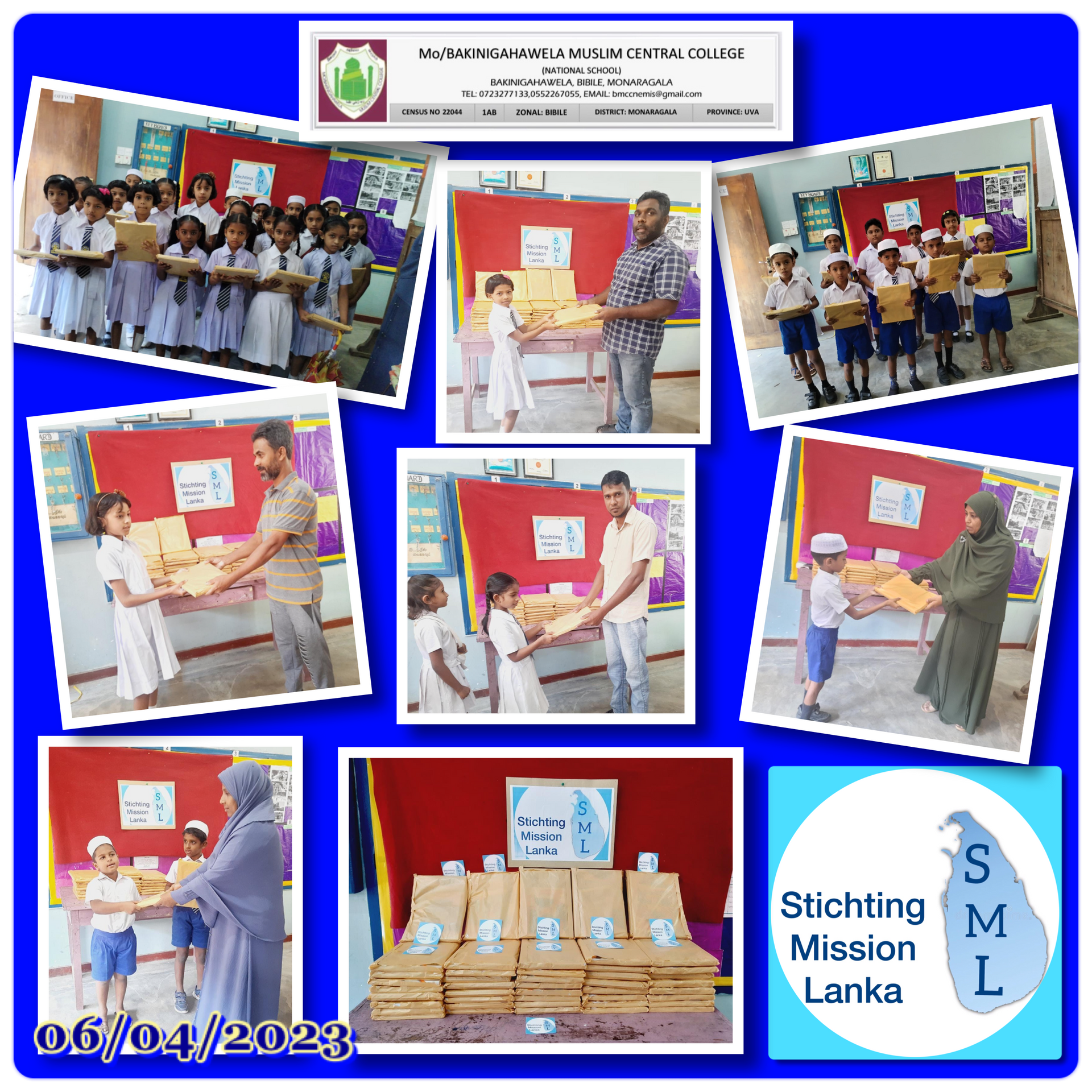
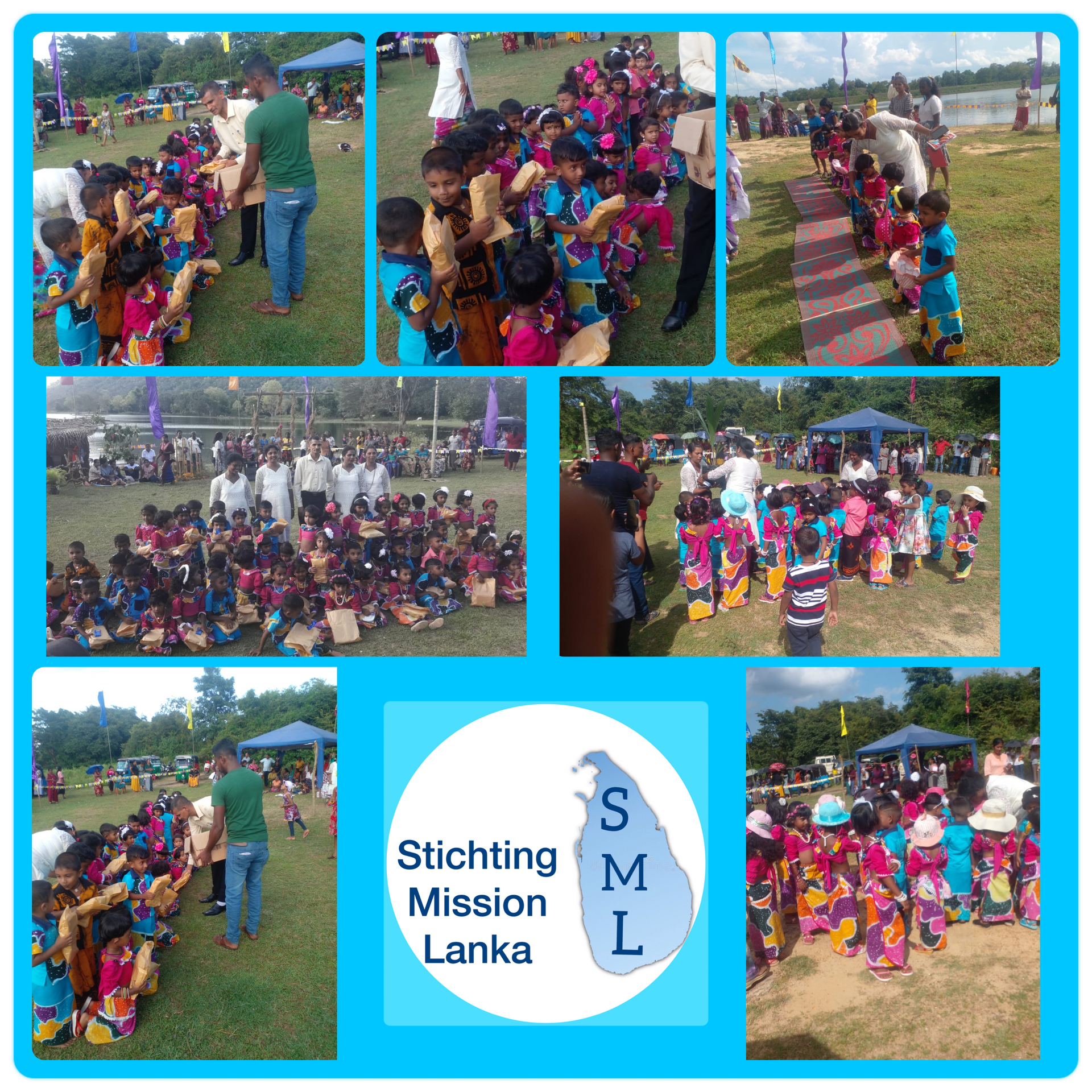
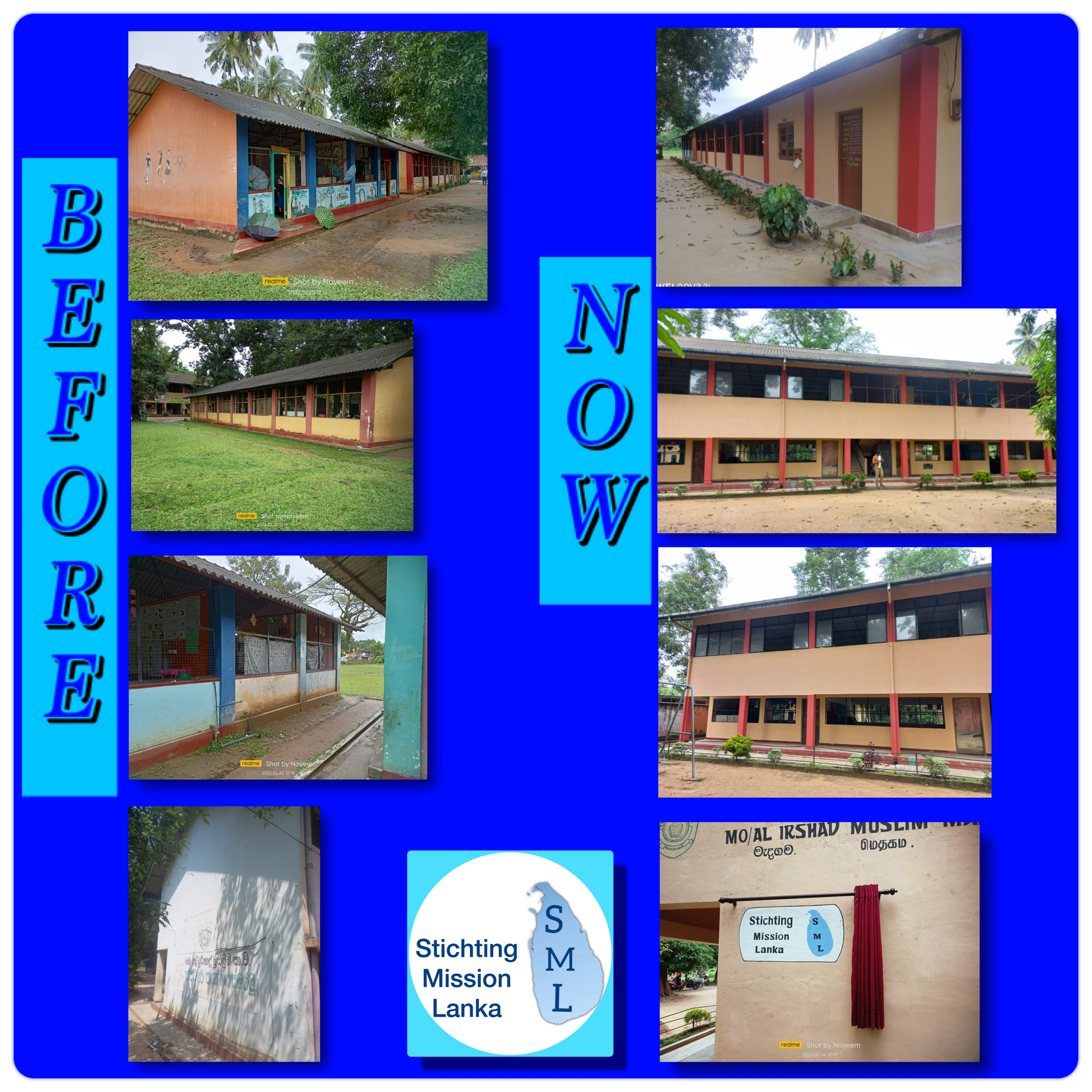
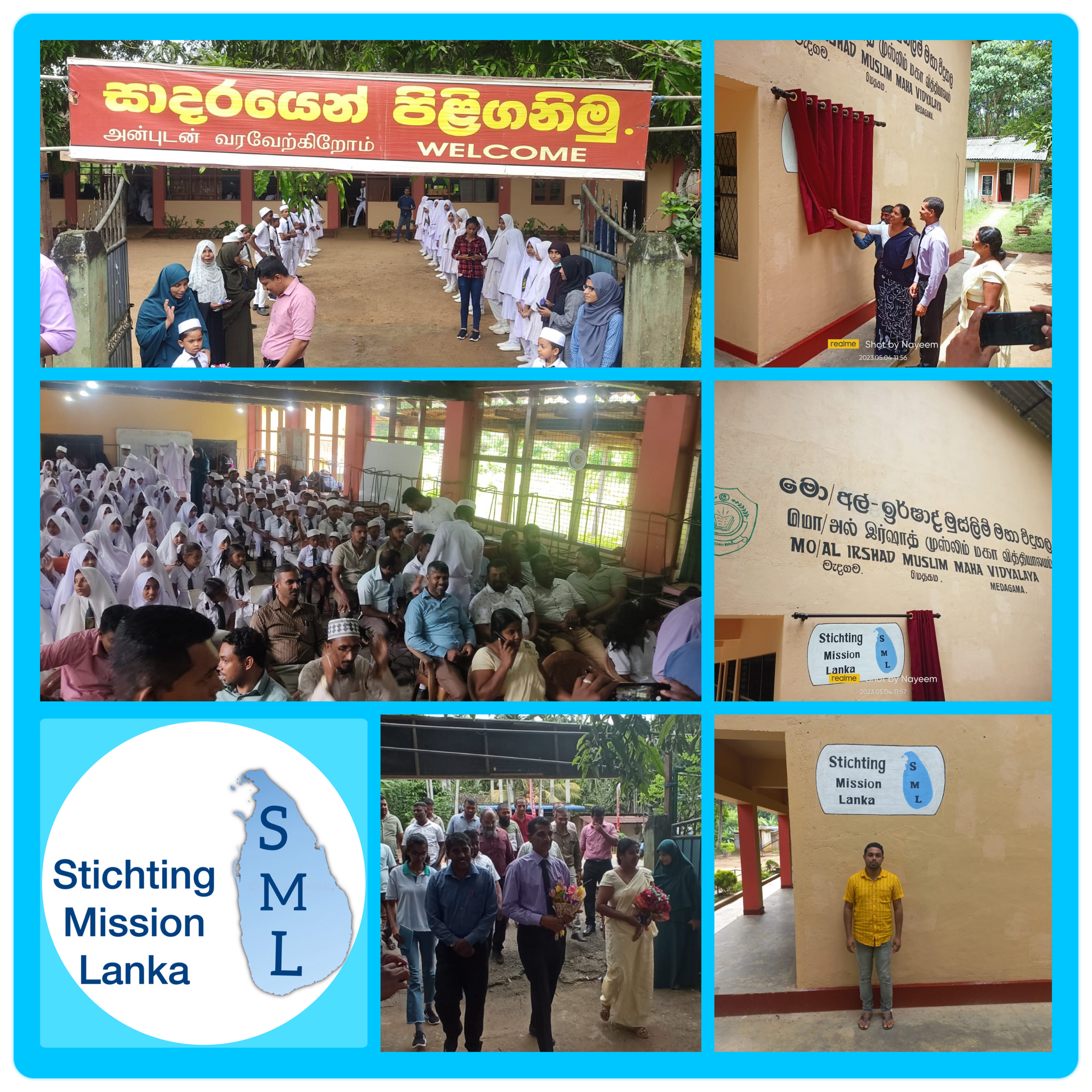
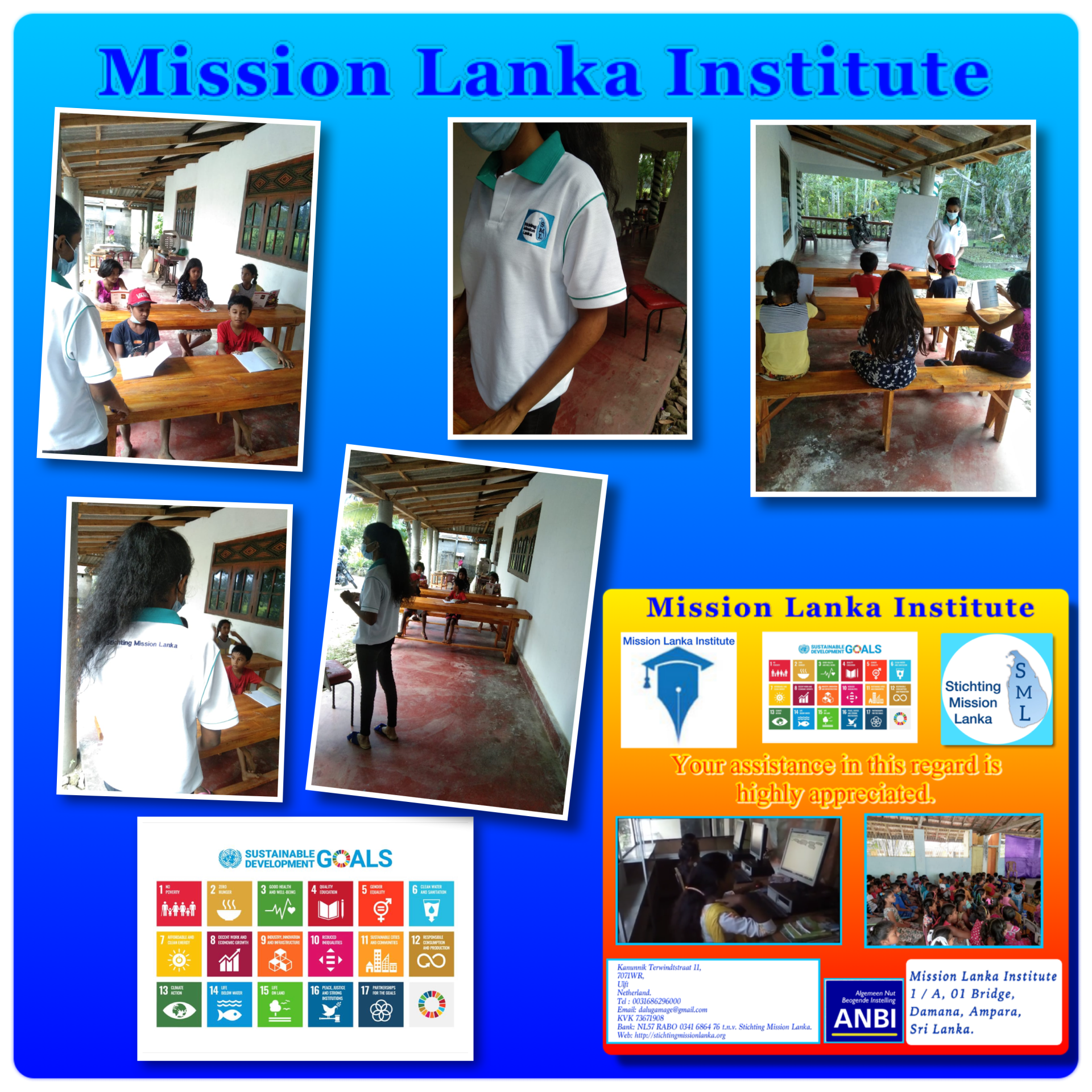
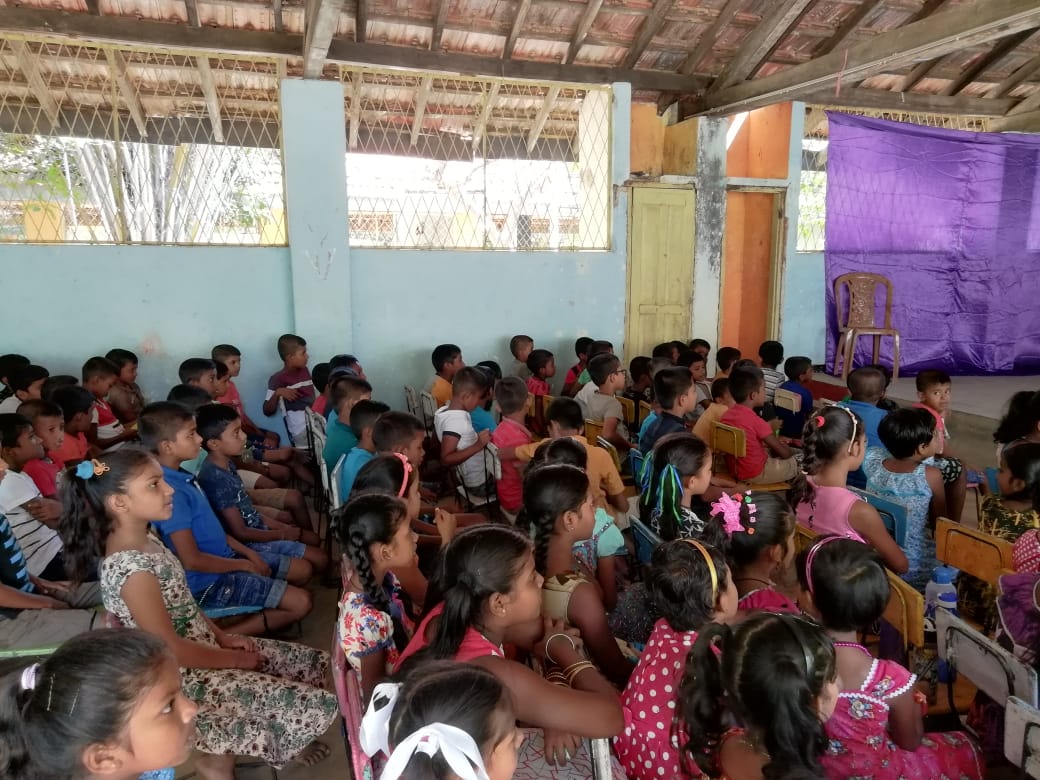

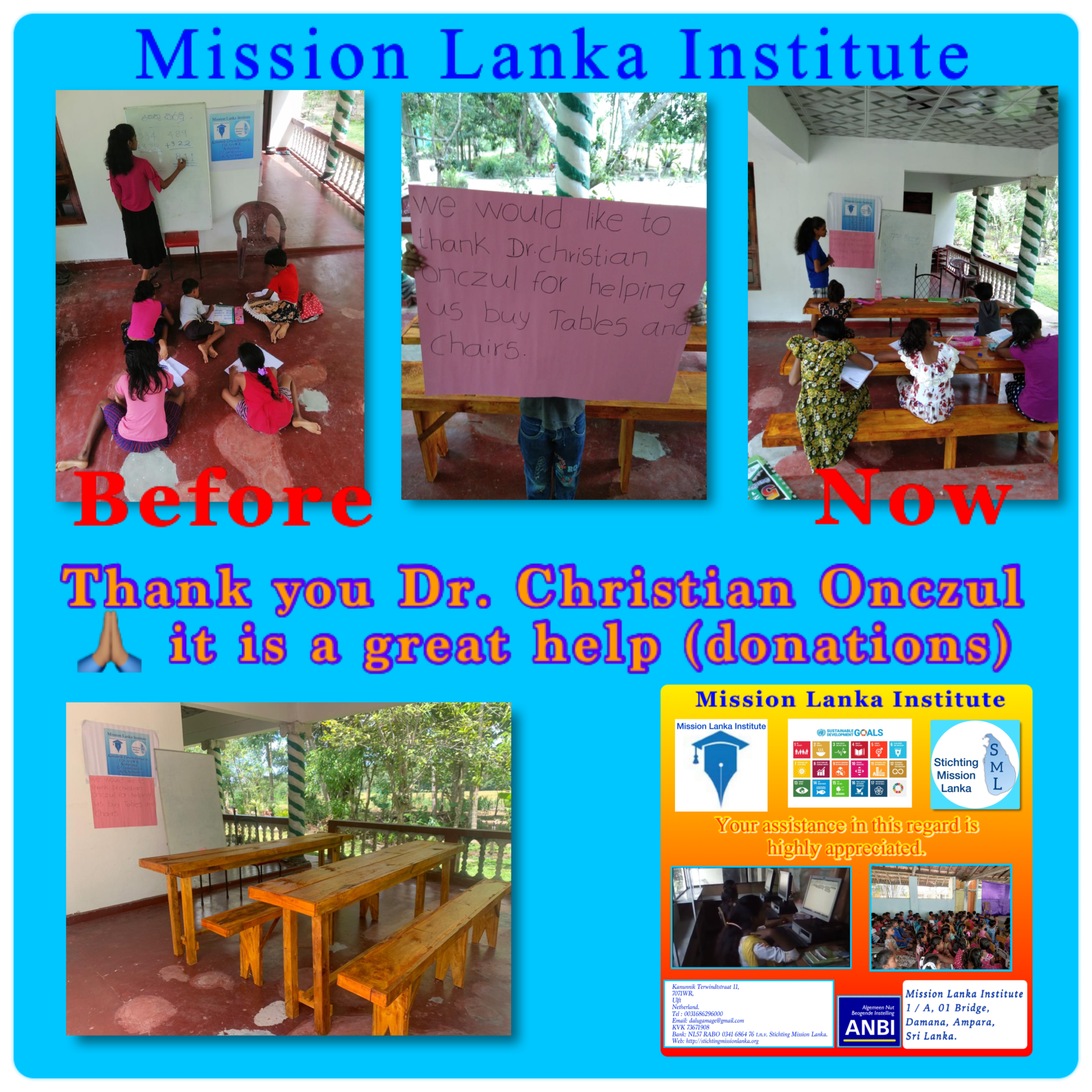

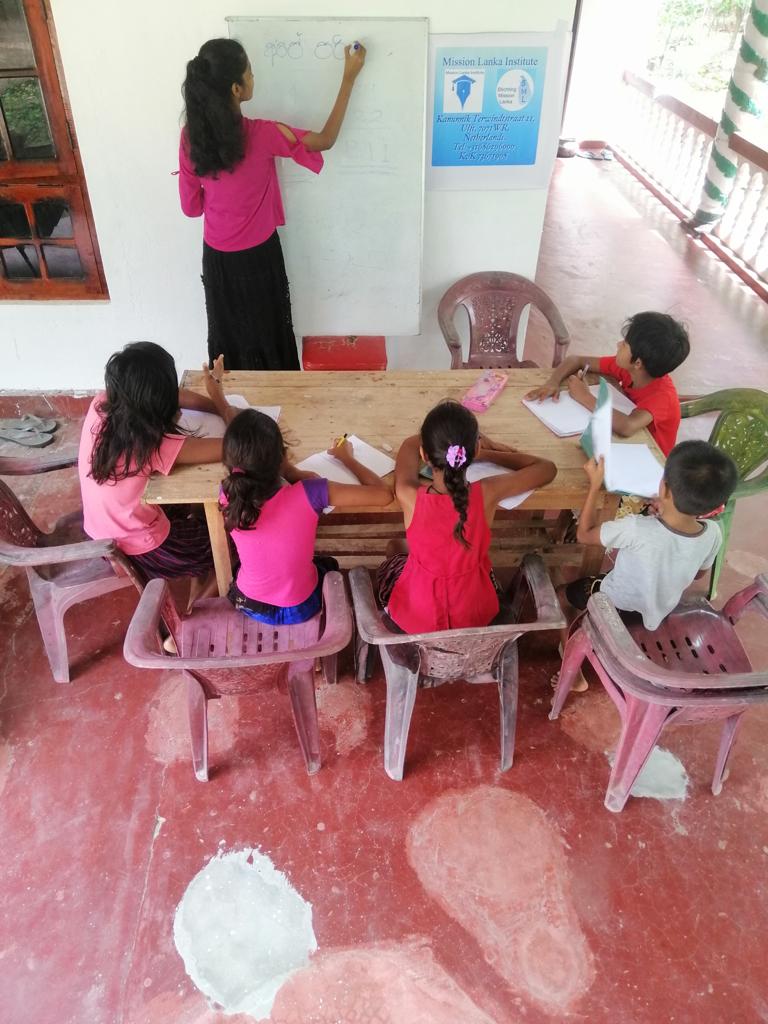




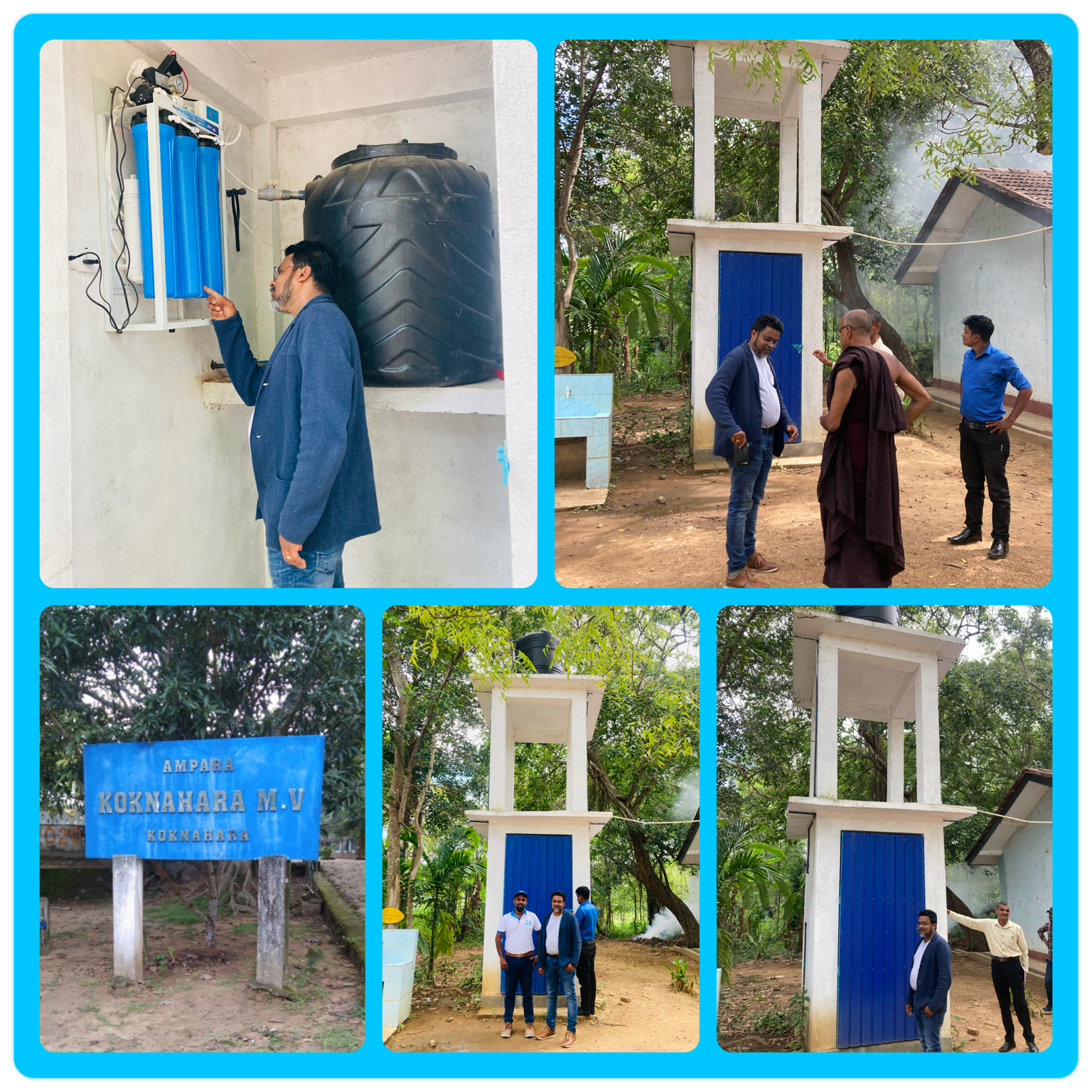
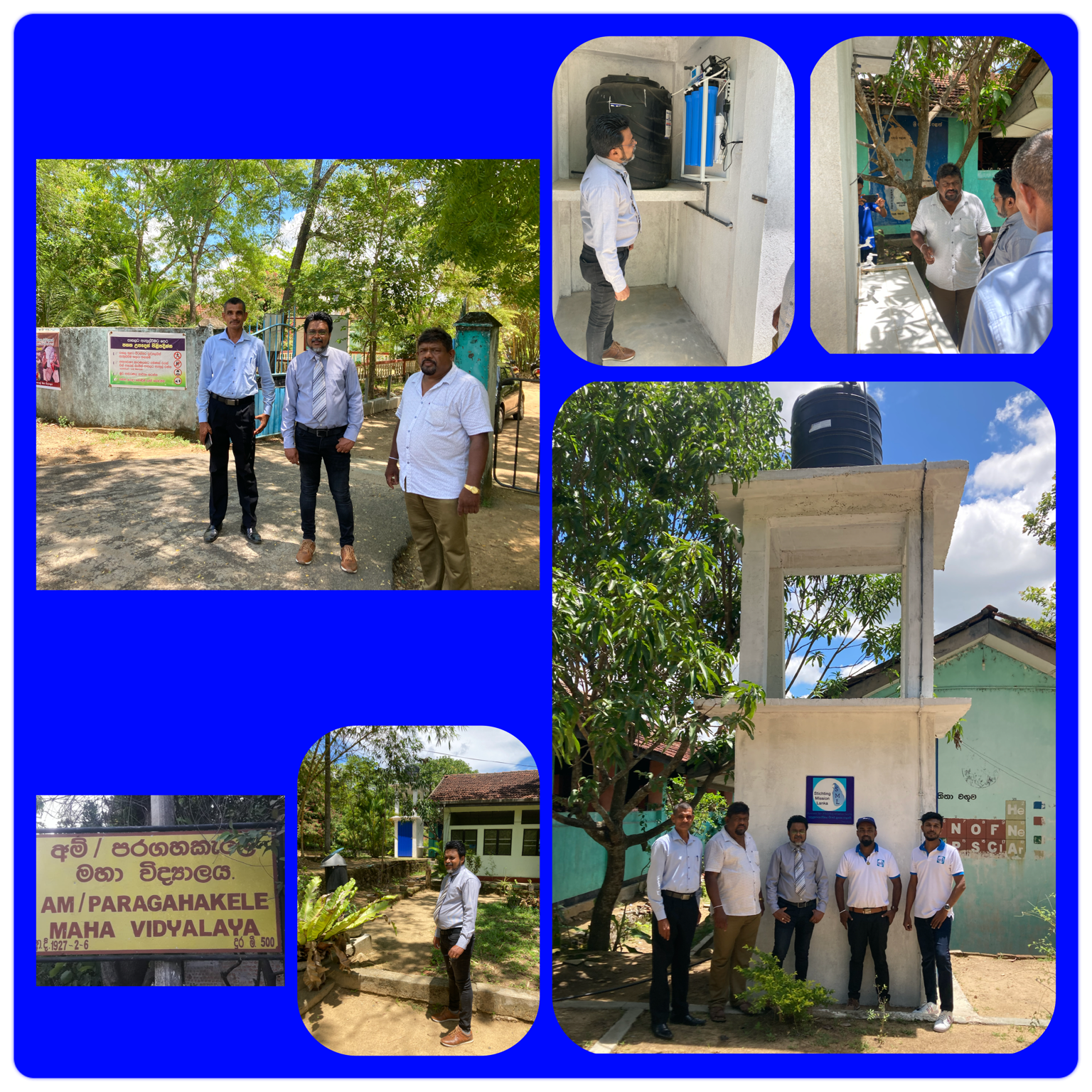
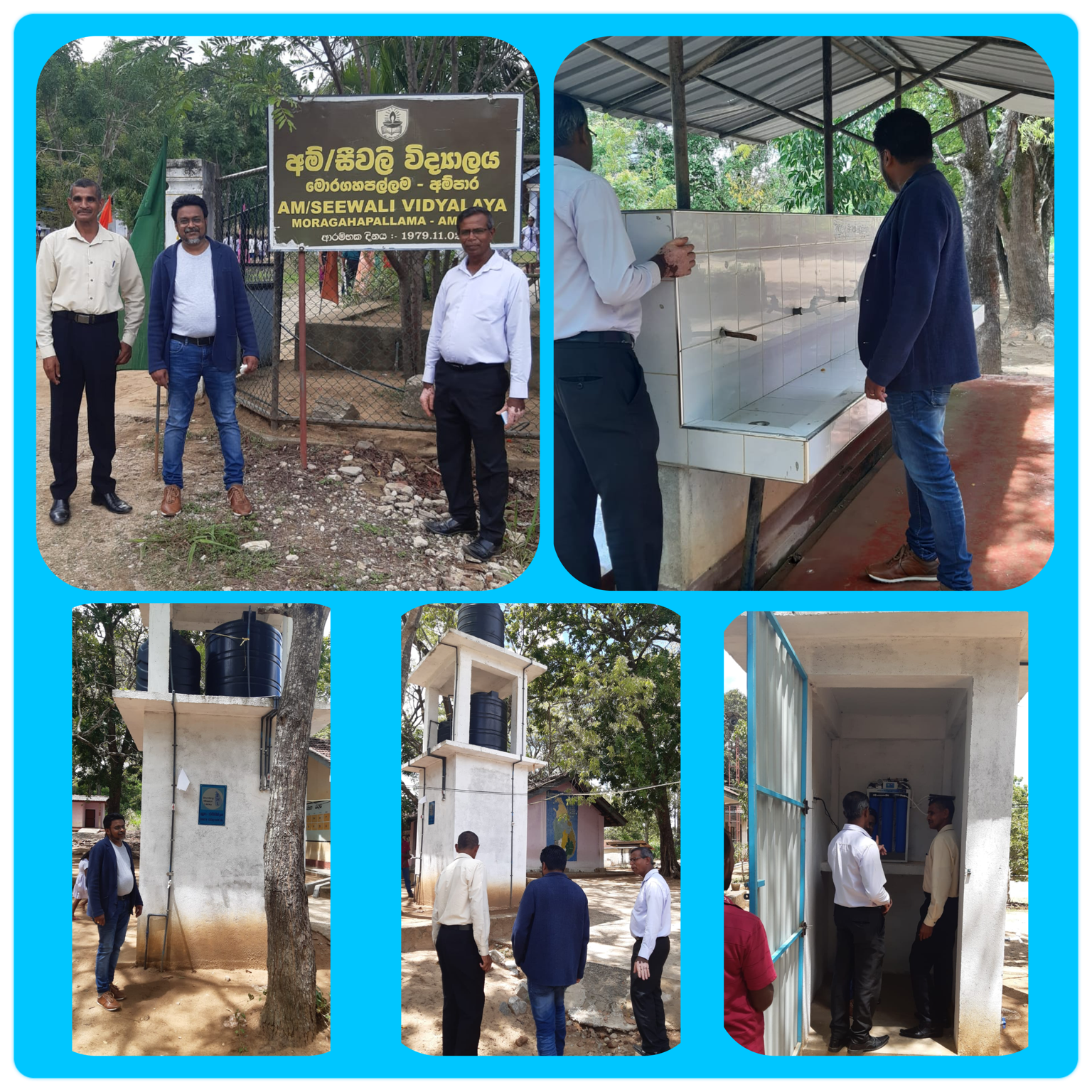
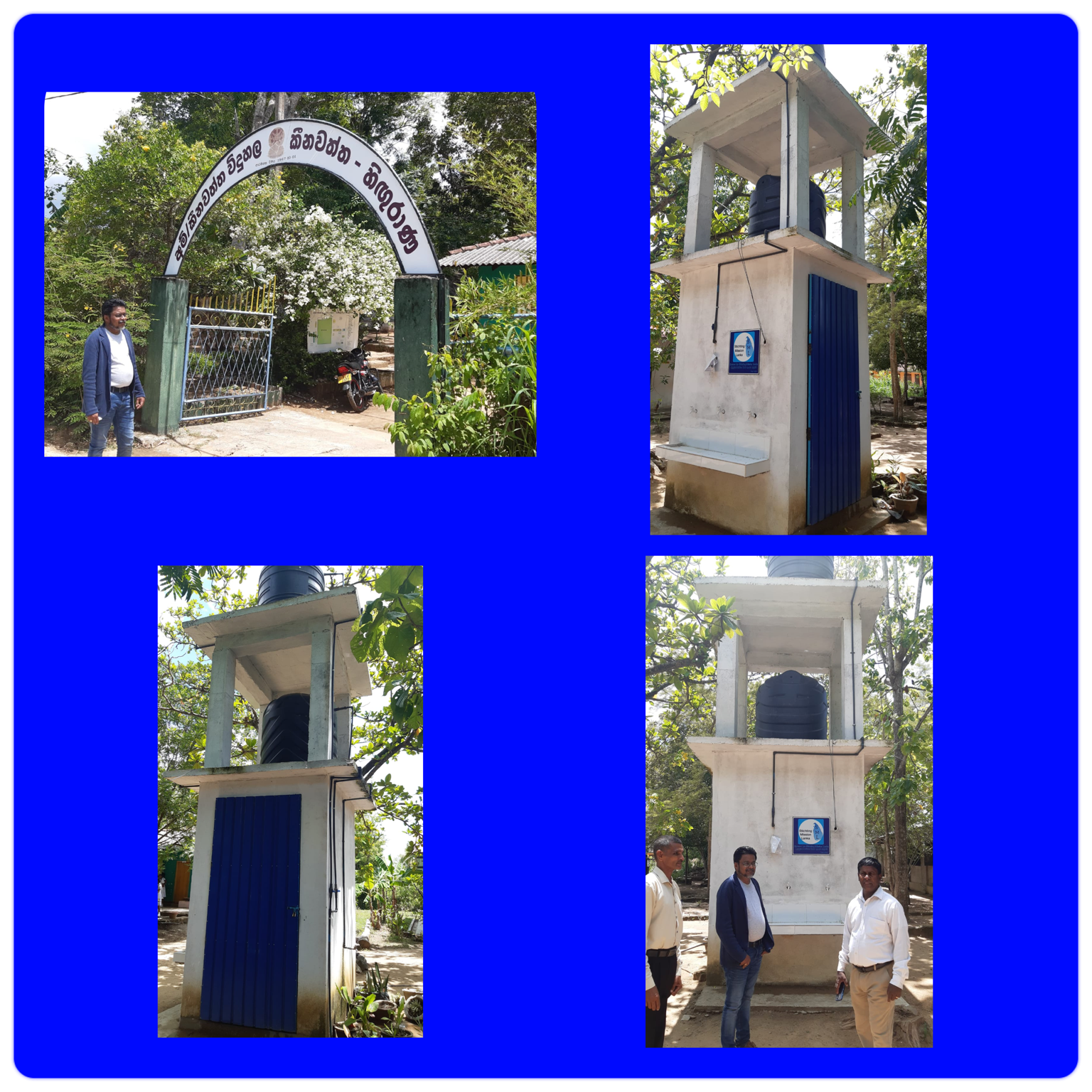
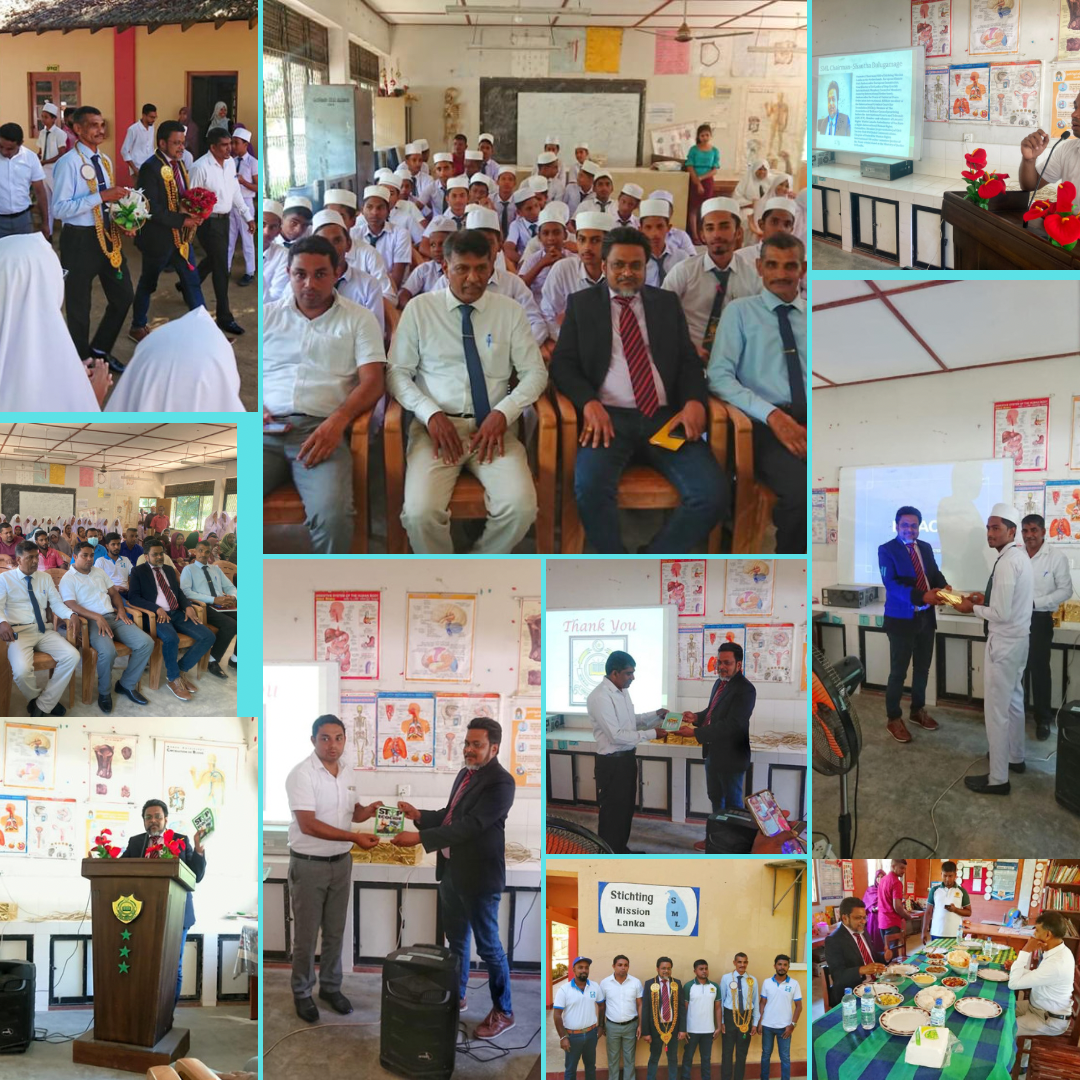
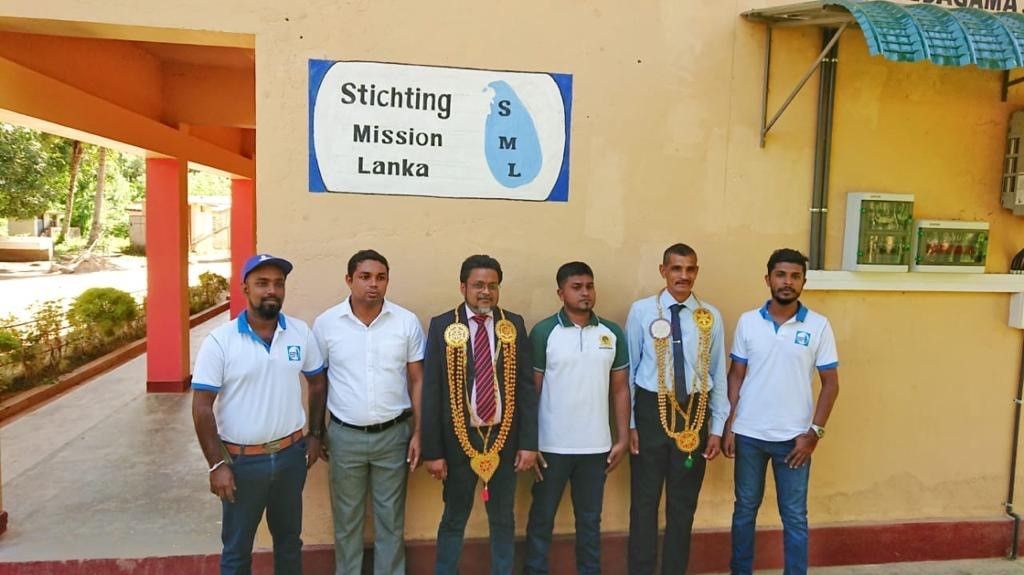
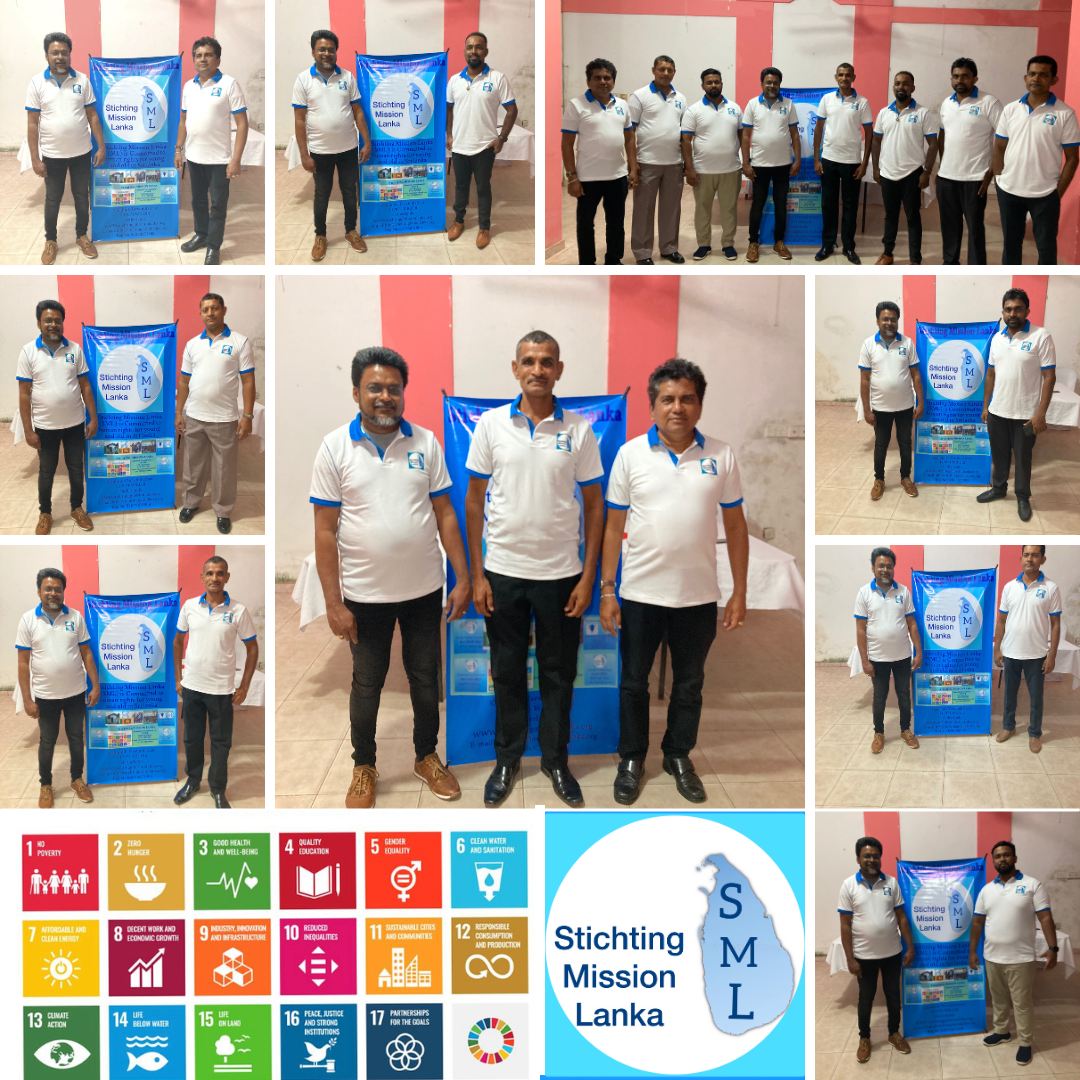
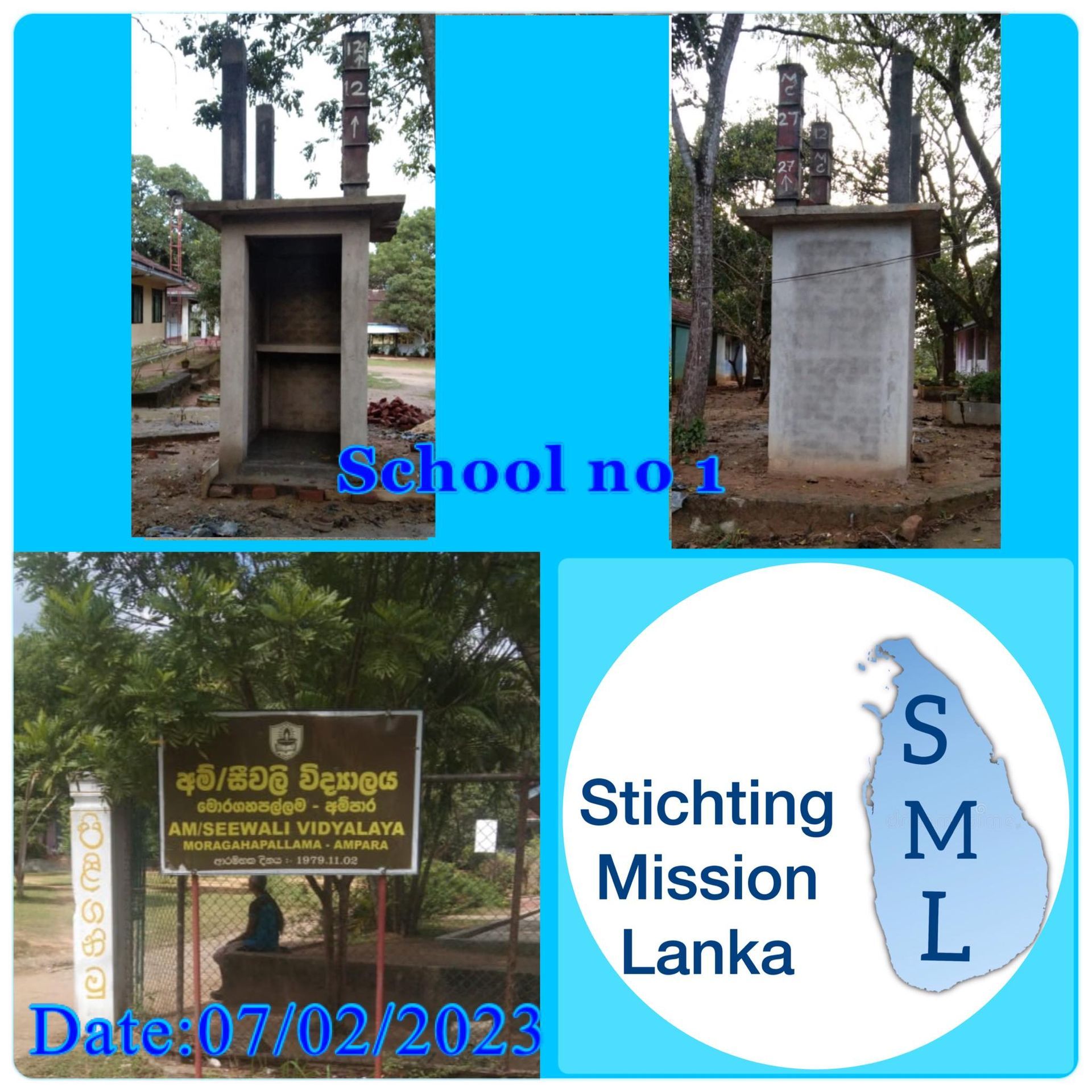
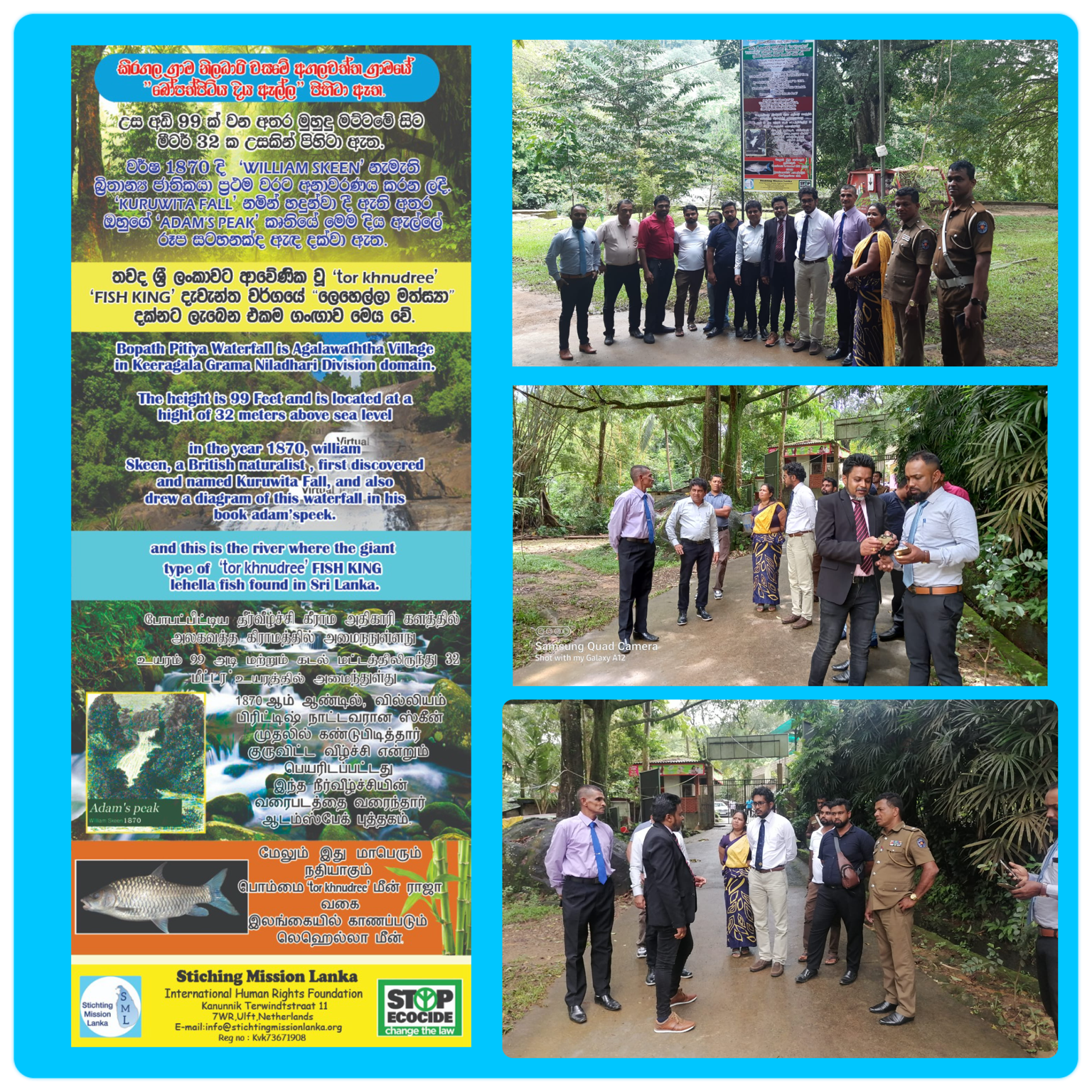
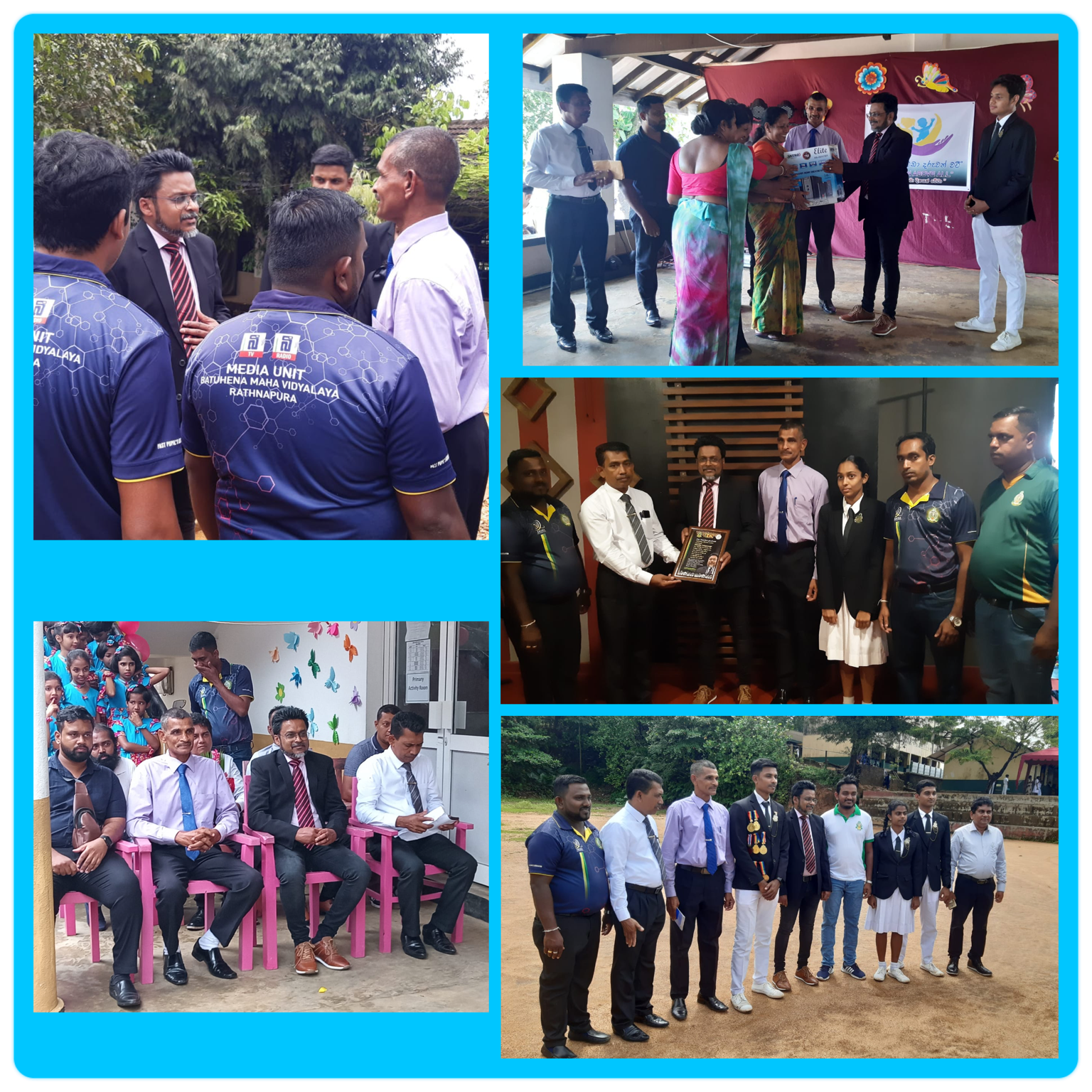
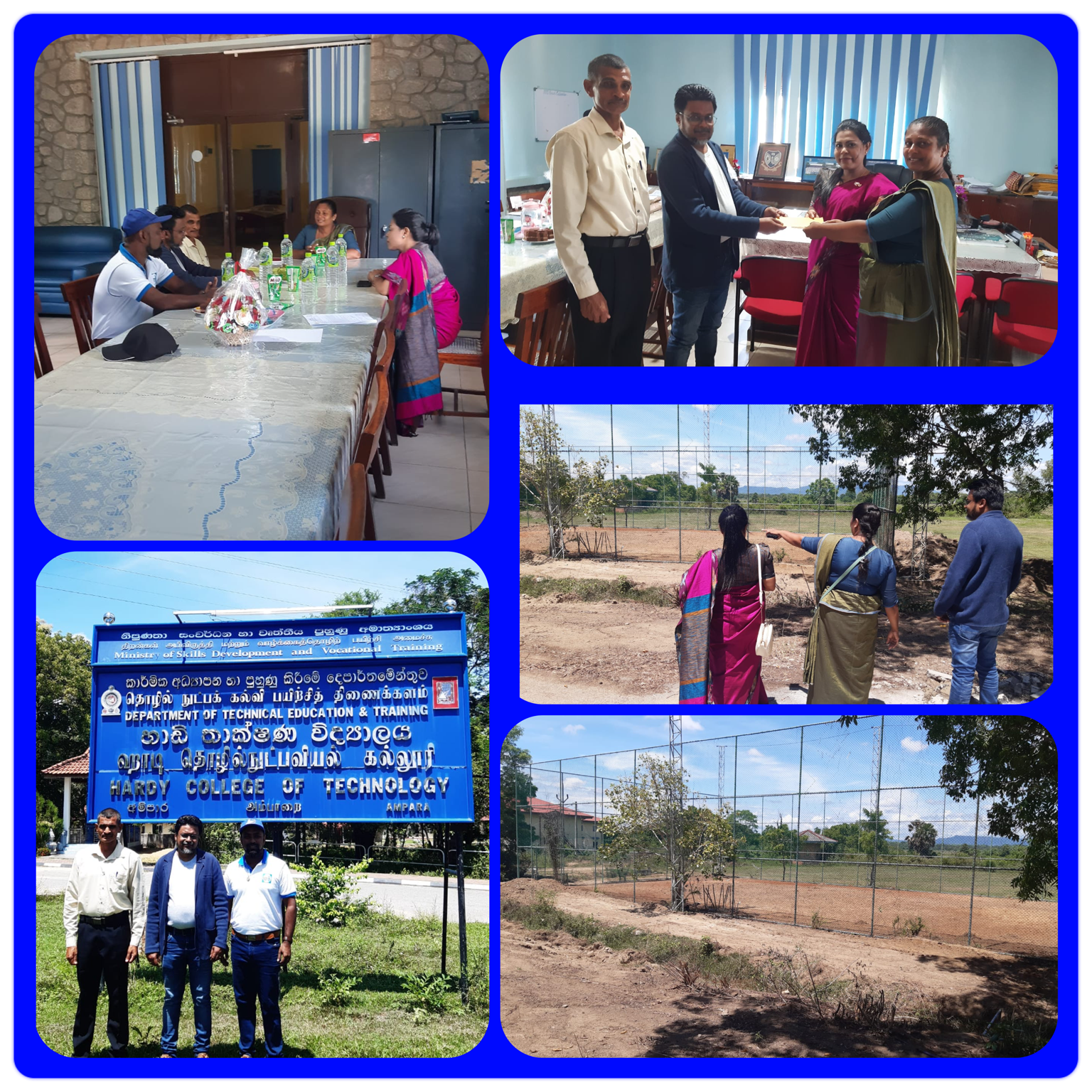
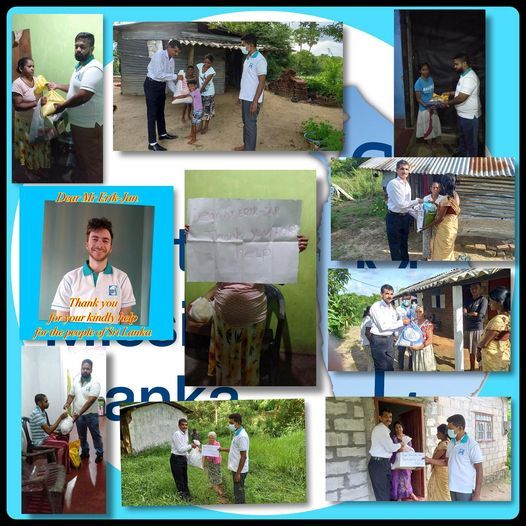




Education
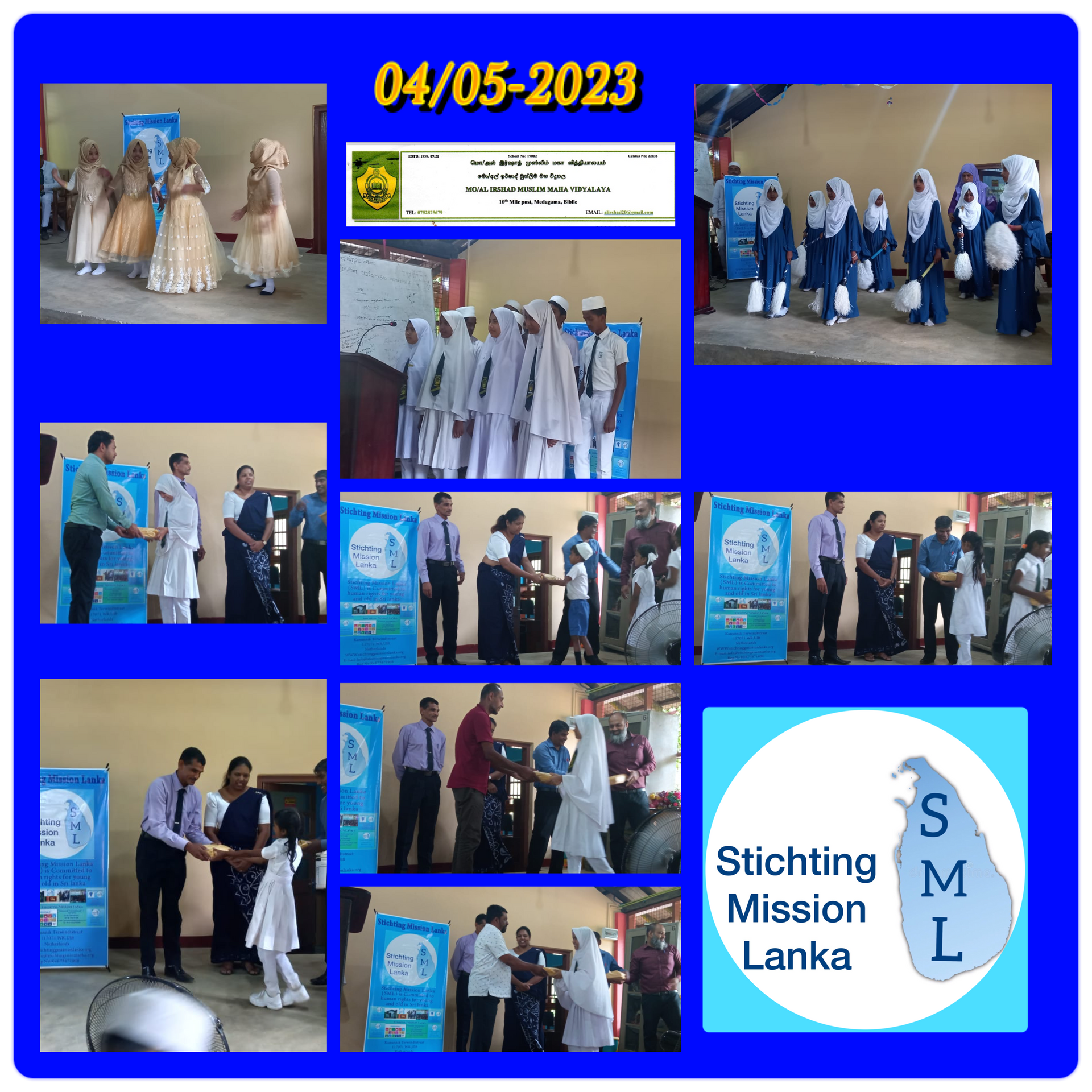
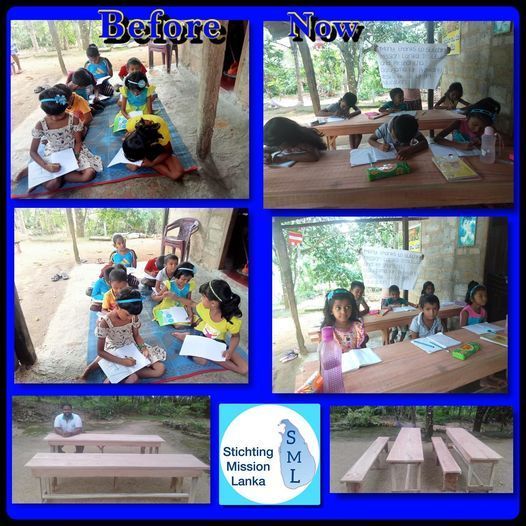
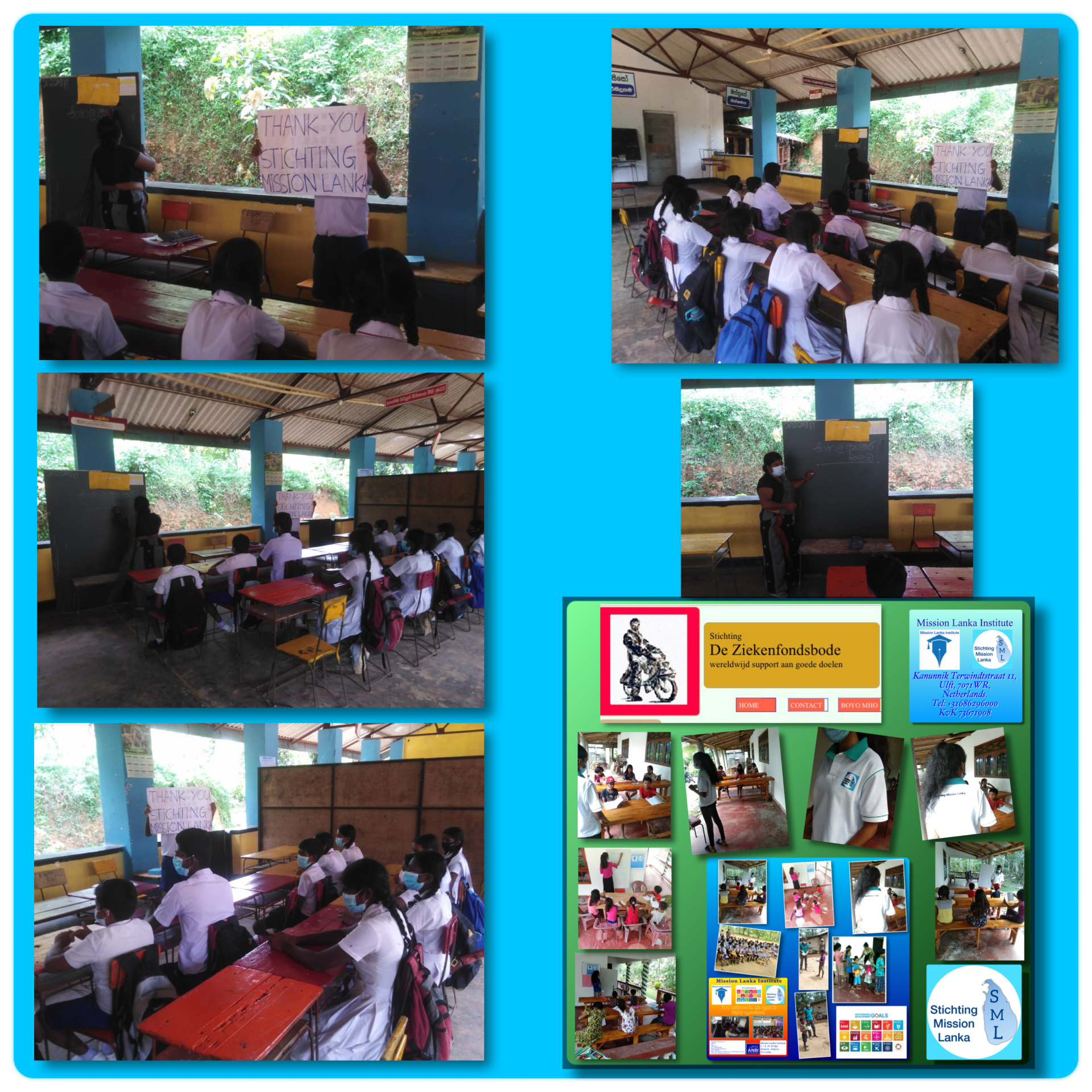
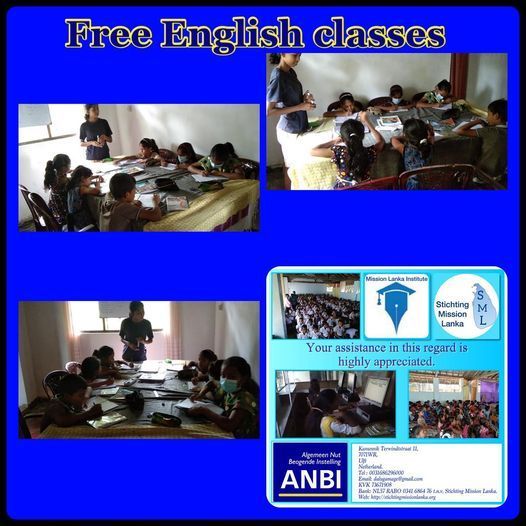
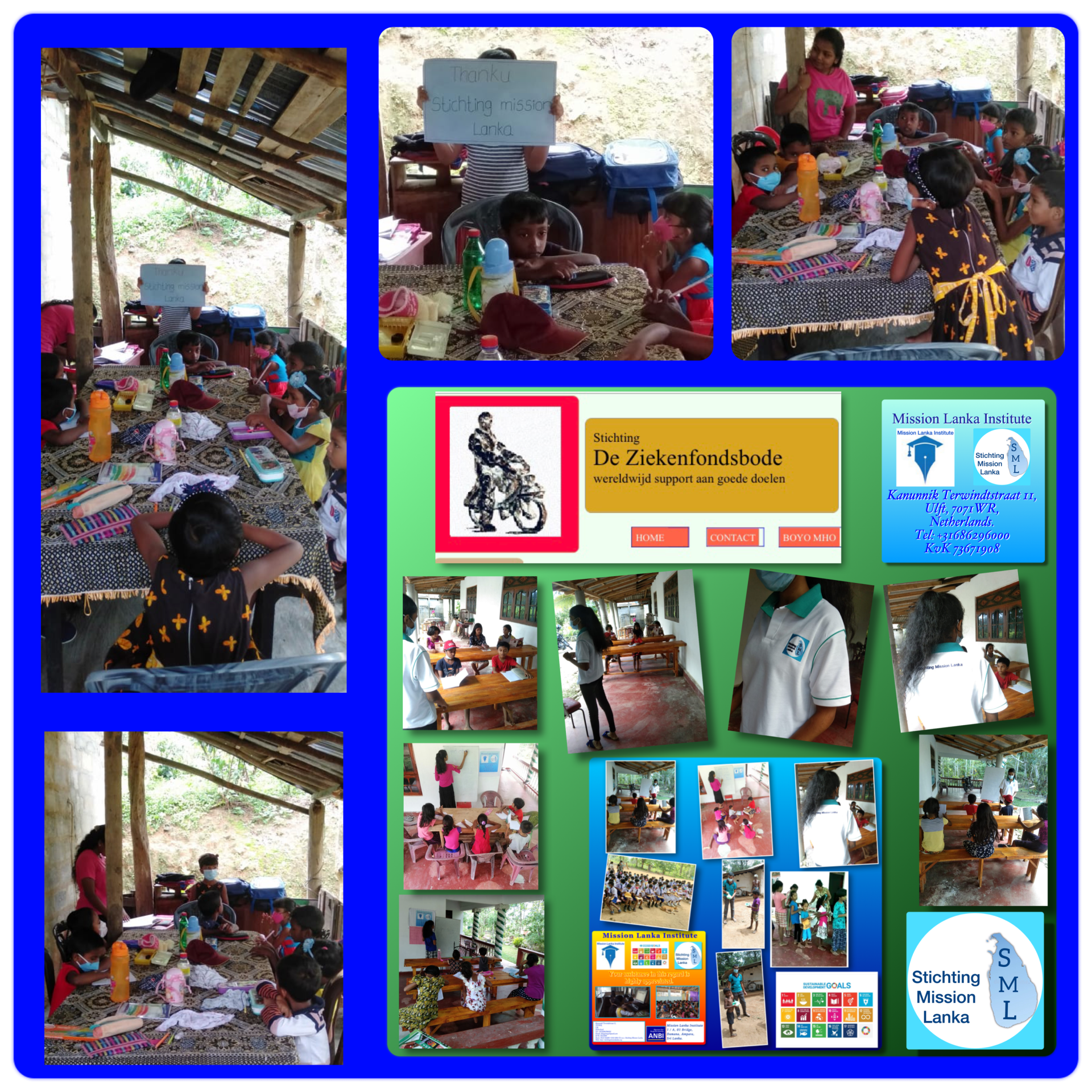
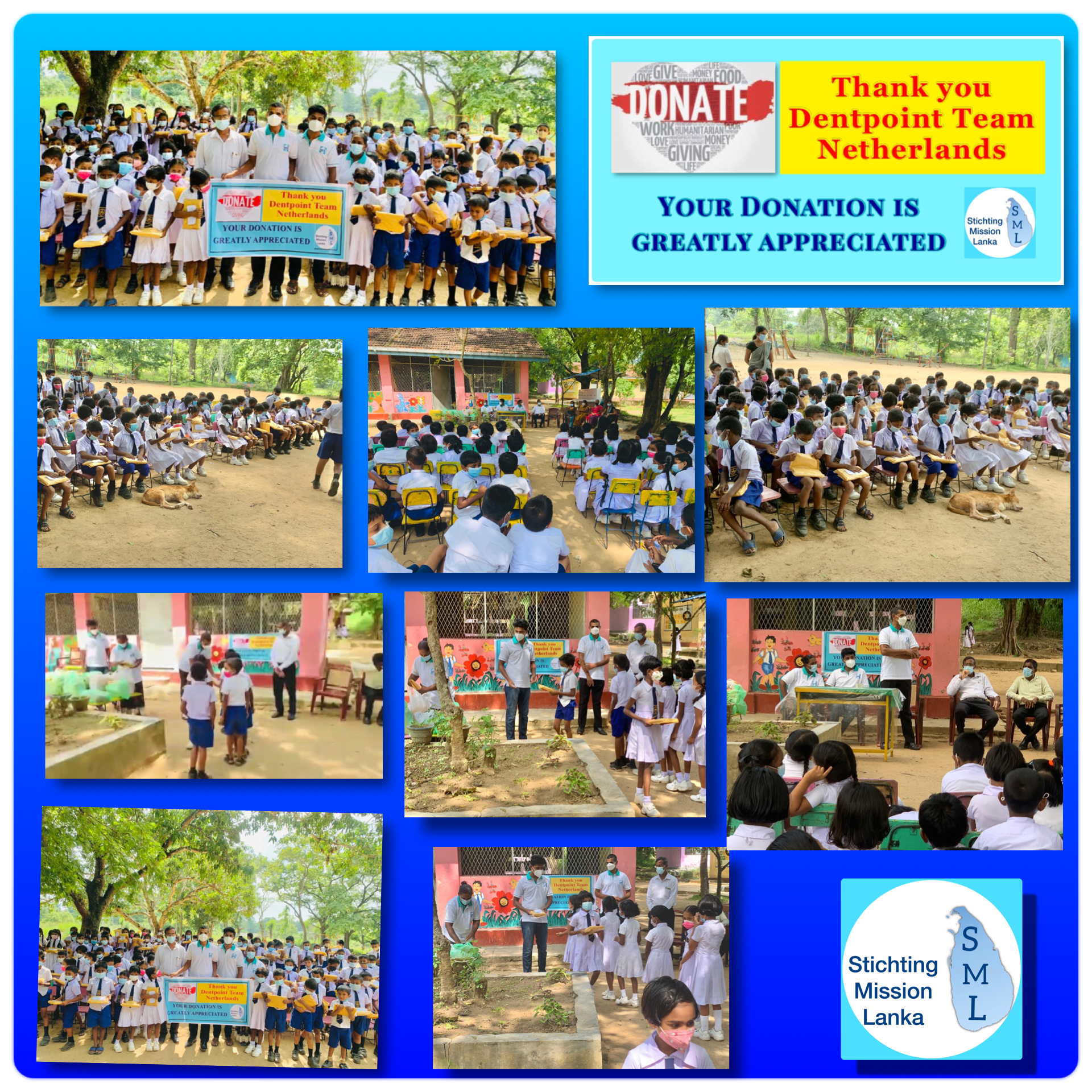
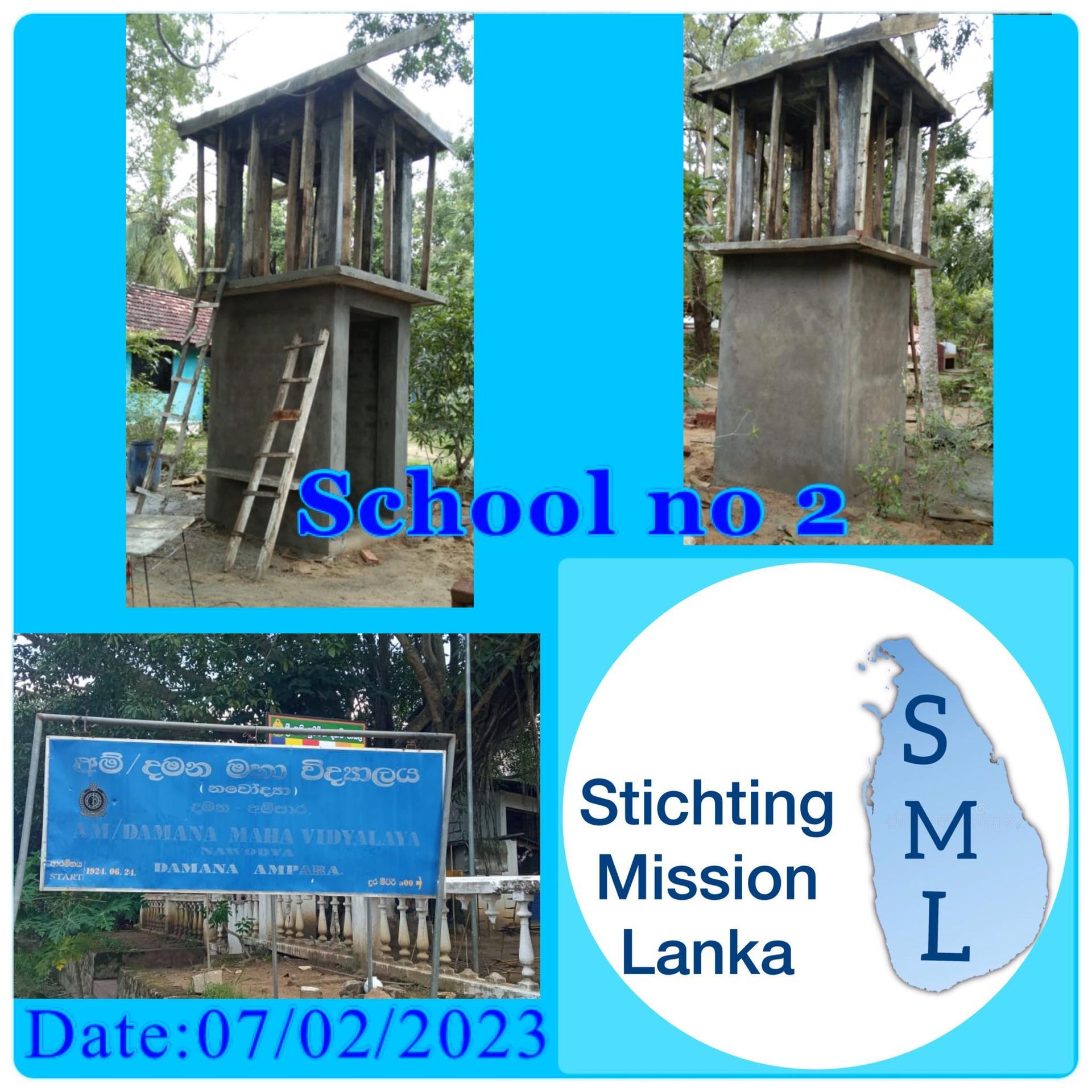
Education is an essential foundation for a successful life. Your donation will benefit teachers, books, and extracurricular activities, so young people can get off to a good start.
Health
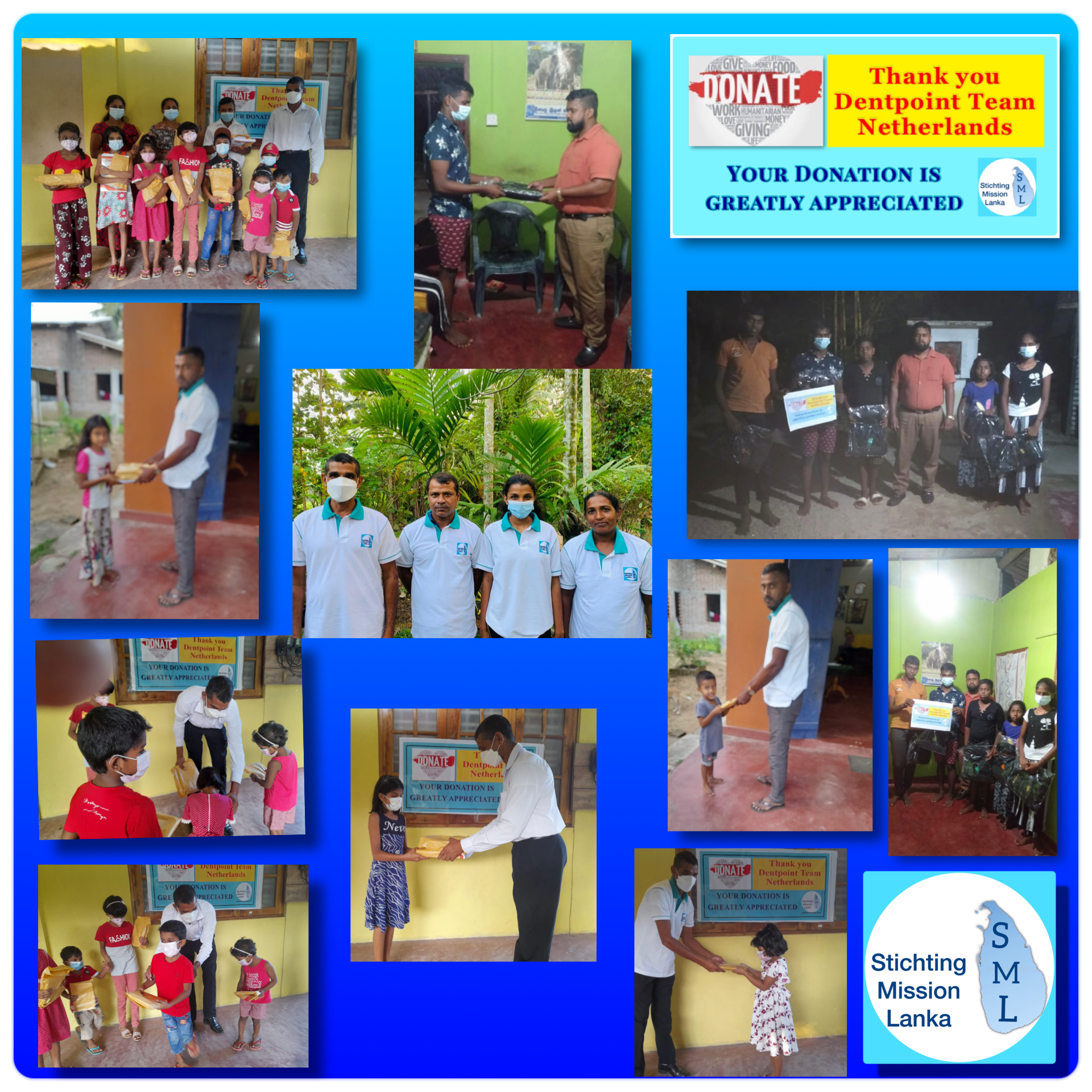
We often take basic healthcare for granted. Yet, many people in Sri Lanka go without. We are committed to providing underprivileged young people and adults with access to the care they need.
Community
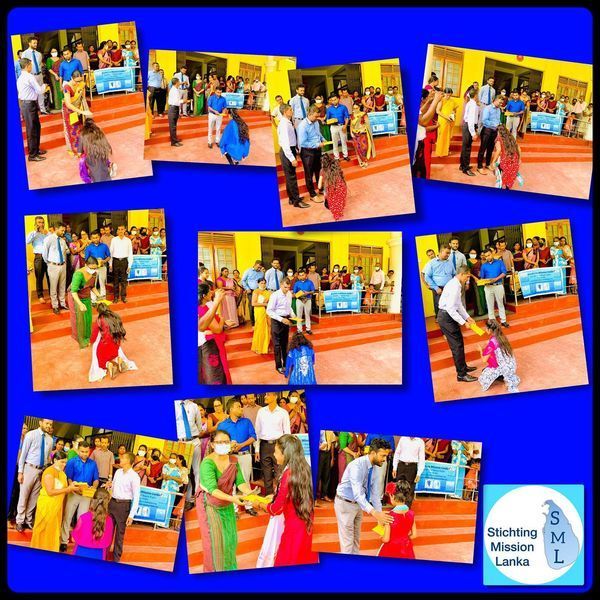
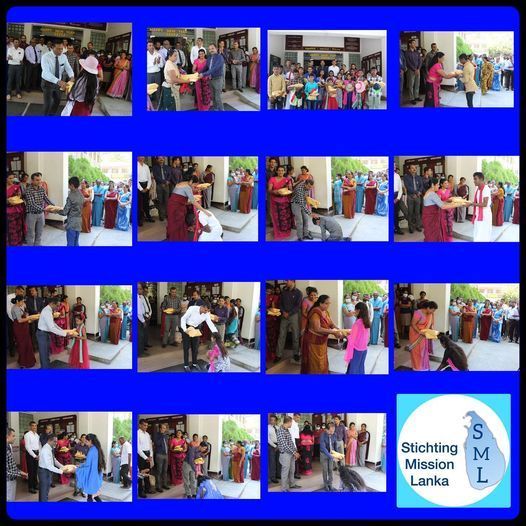
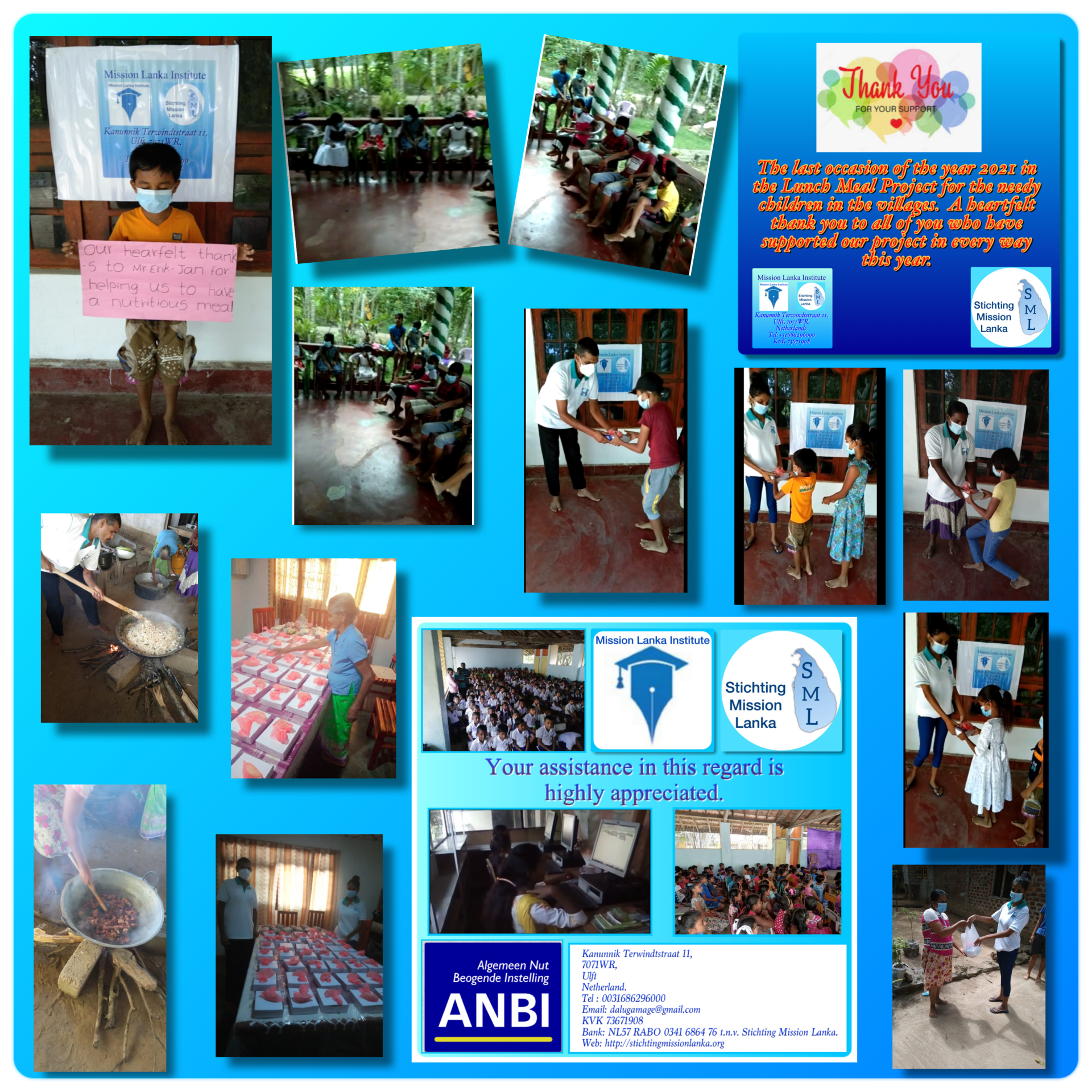
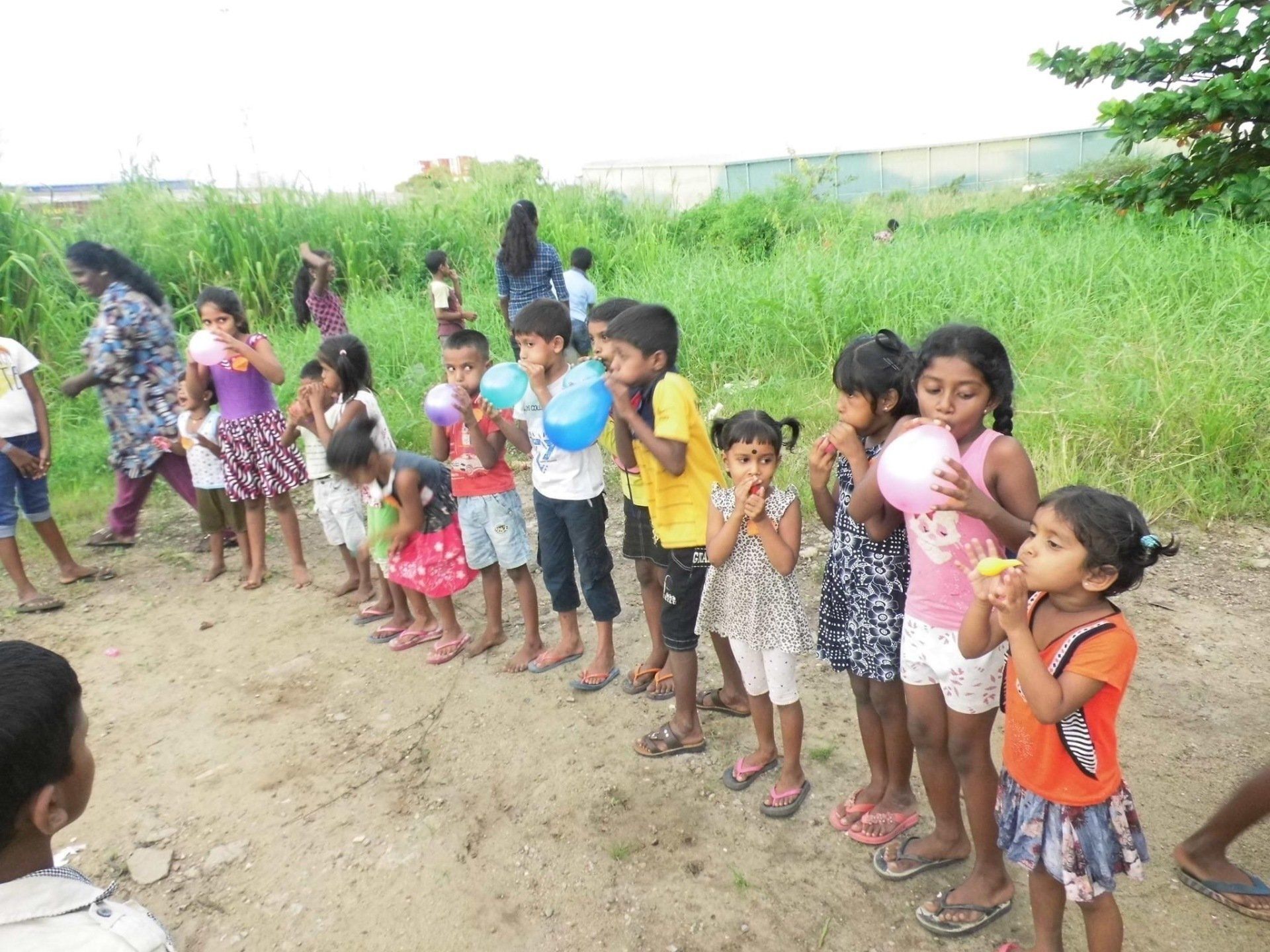
The community is essentially an extended family. It's the people we encounter every day, the familiar faces. SML believes that strengthening the community as a whole also contributes to individual development.
We
programs
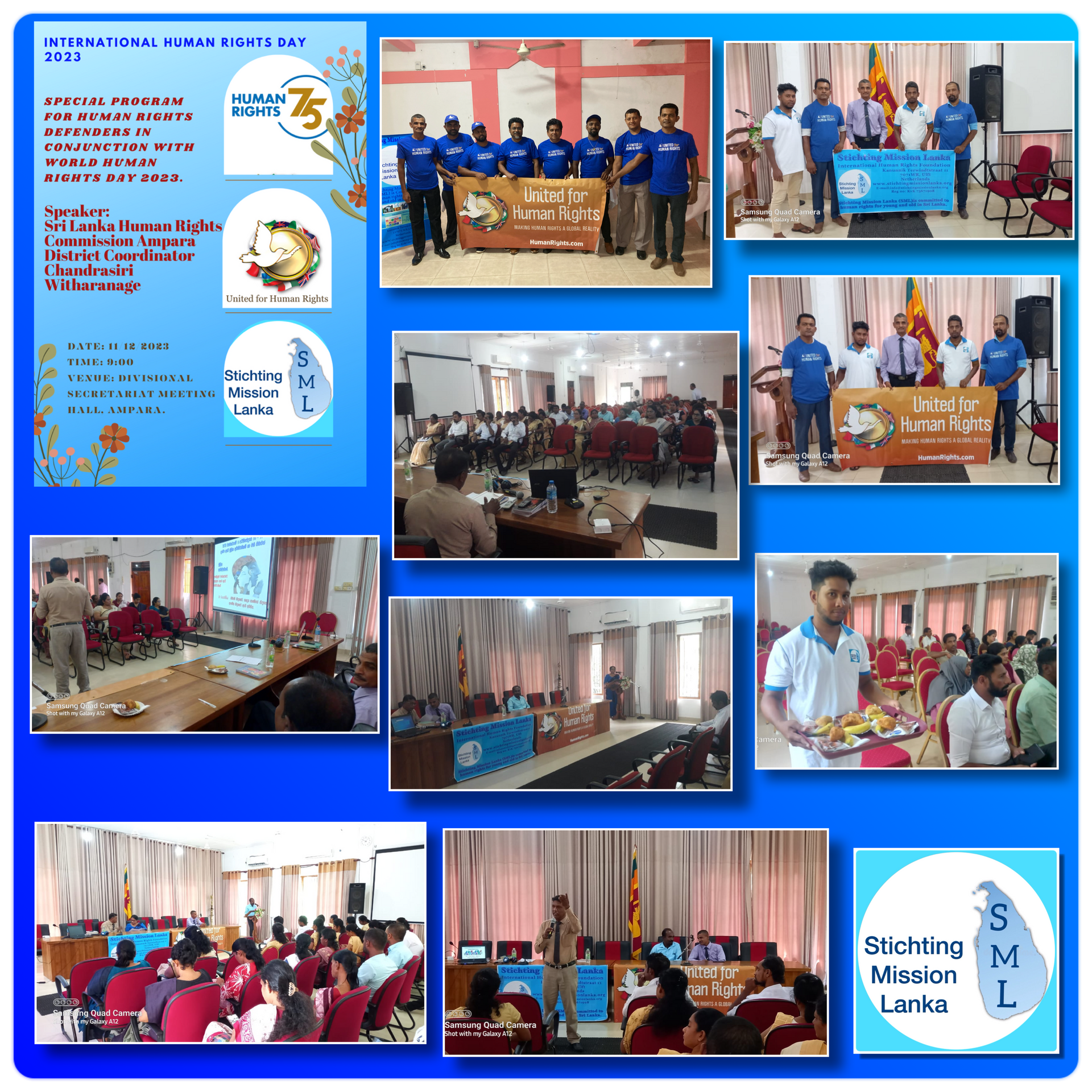
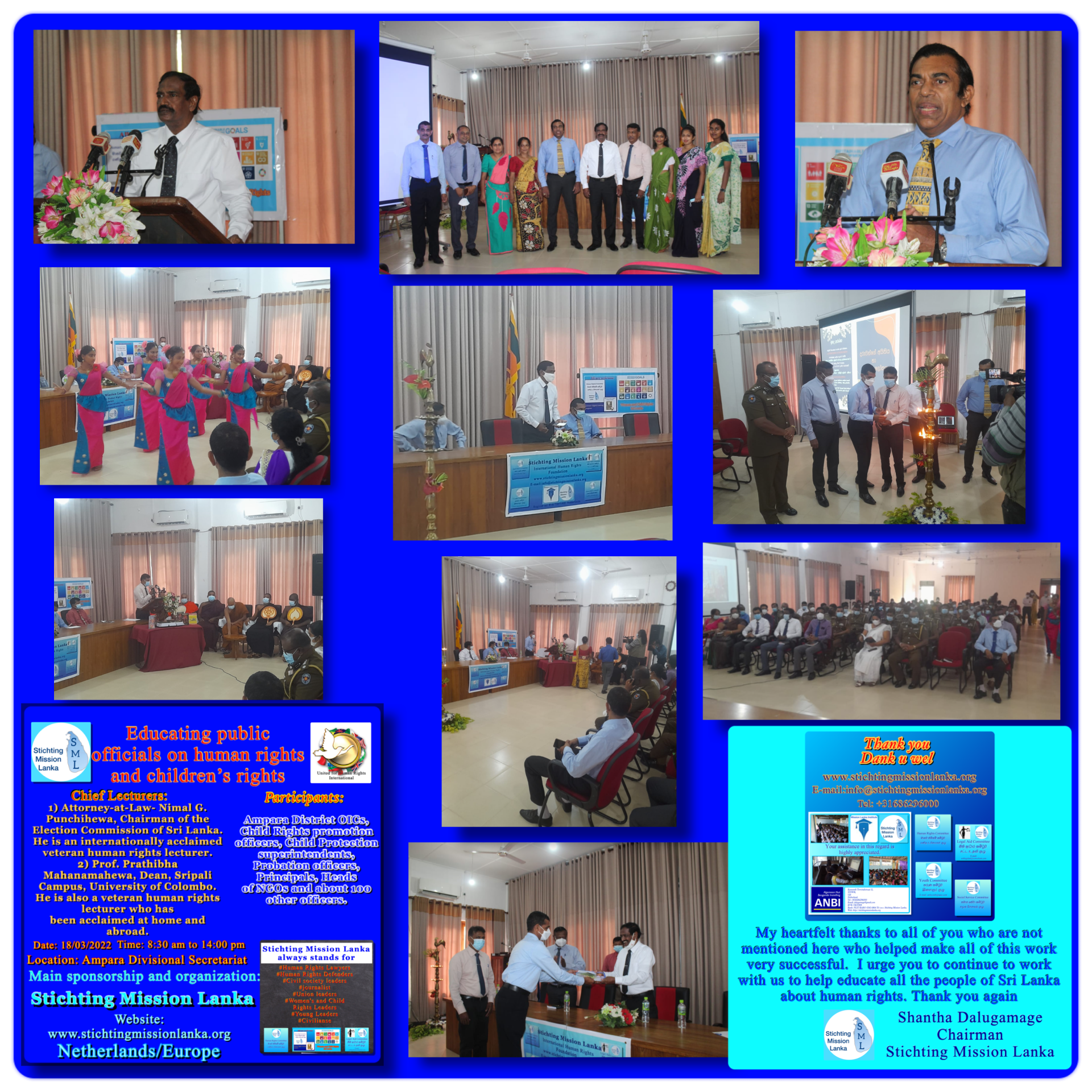
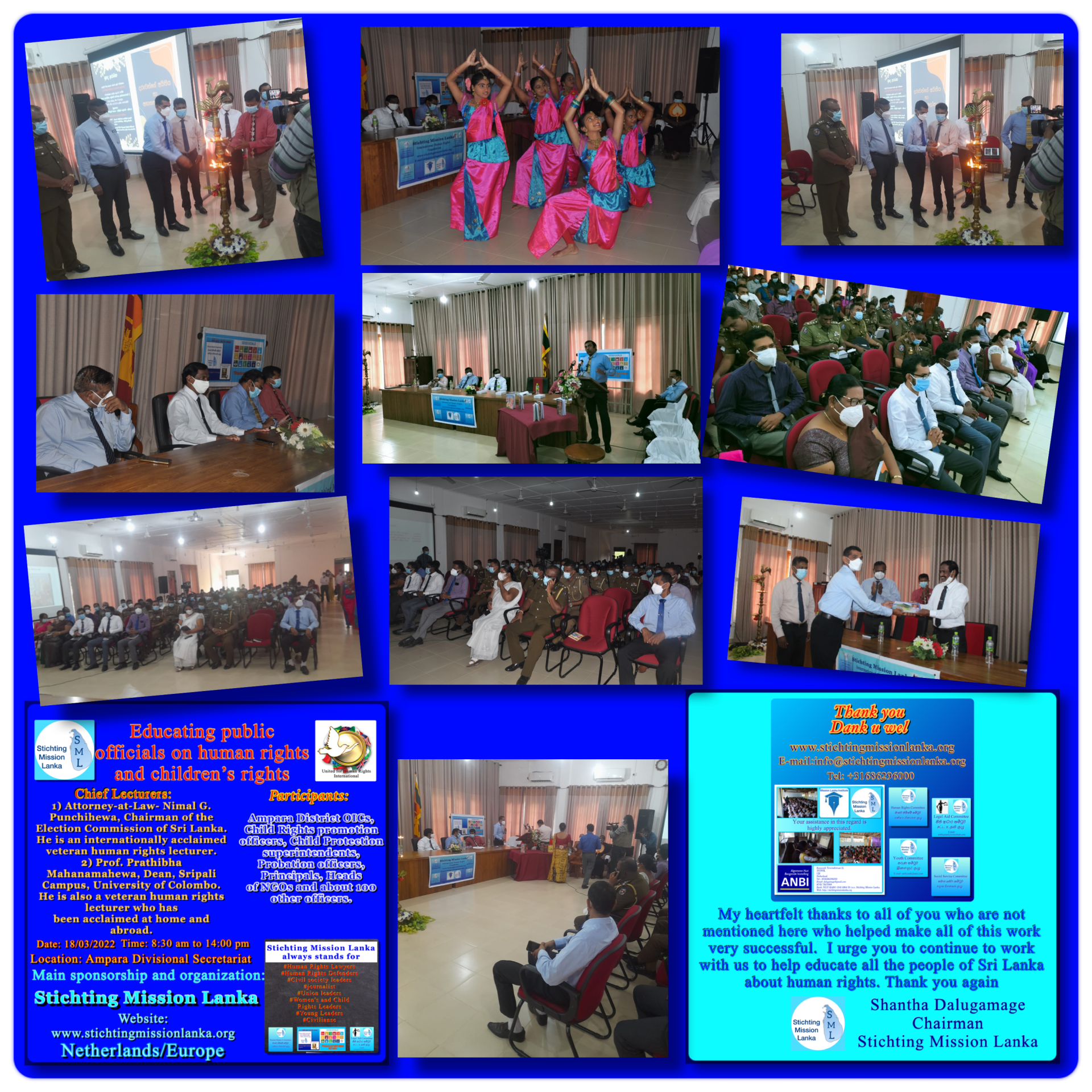
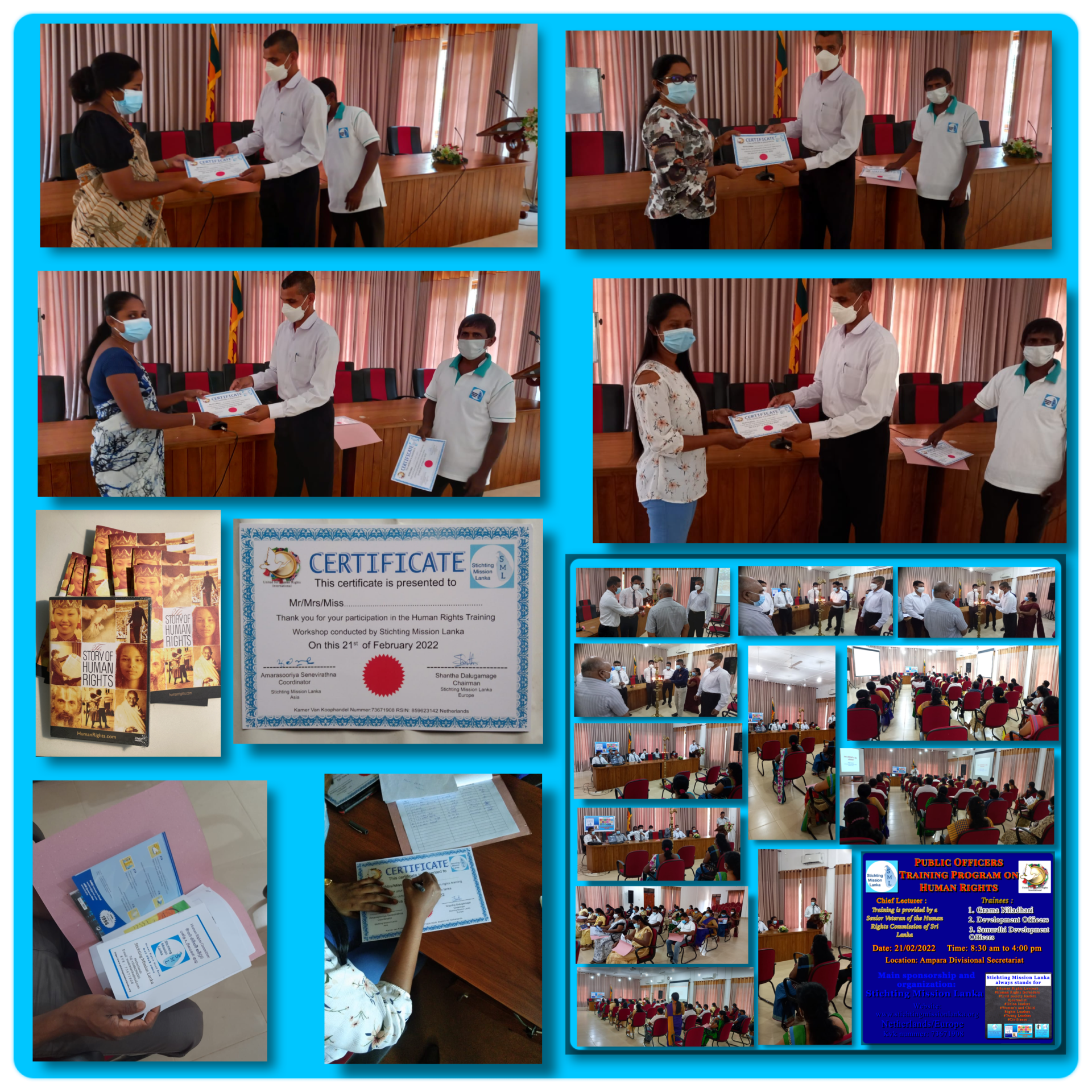
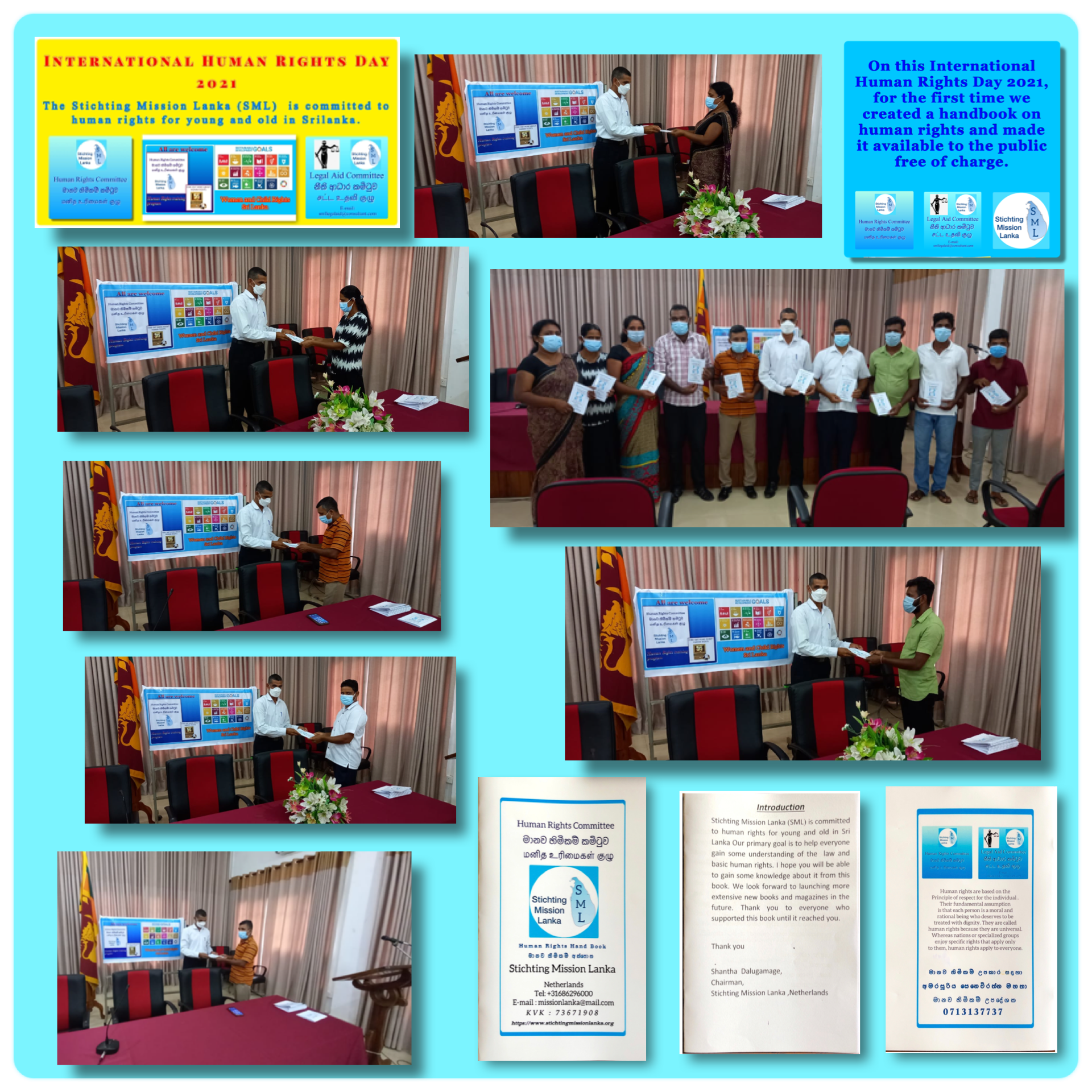
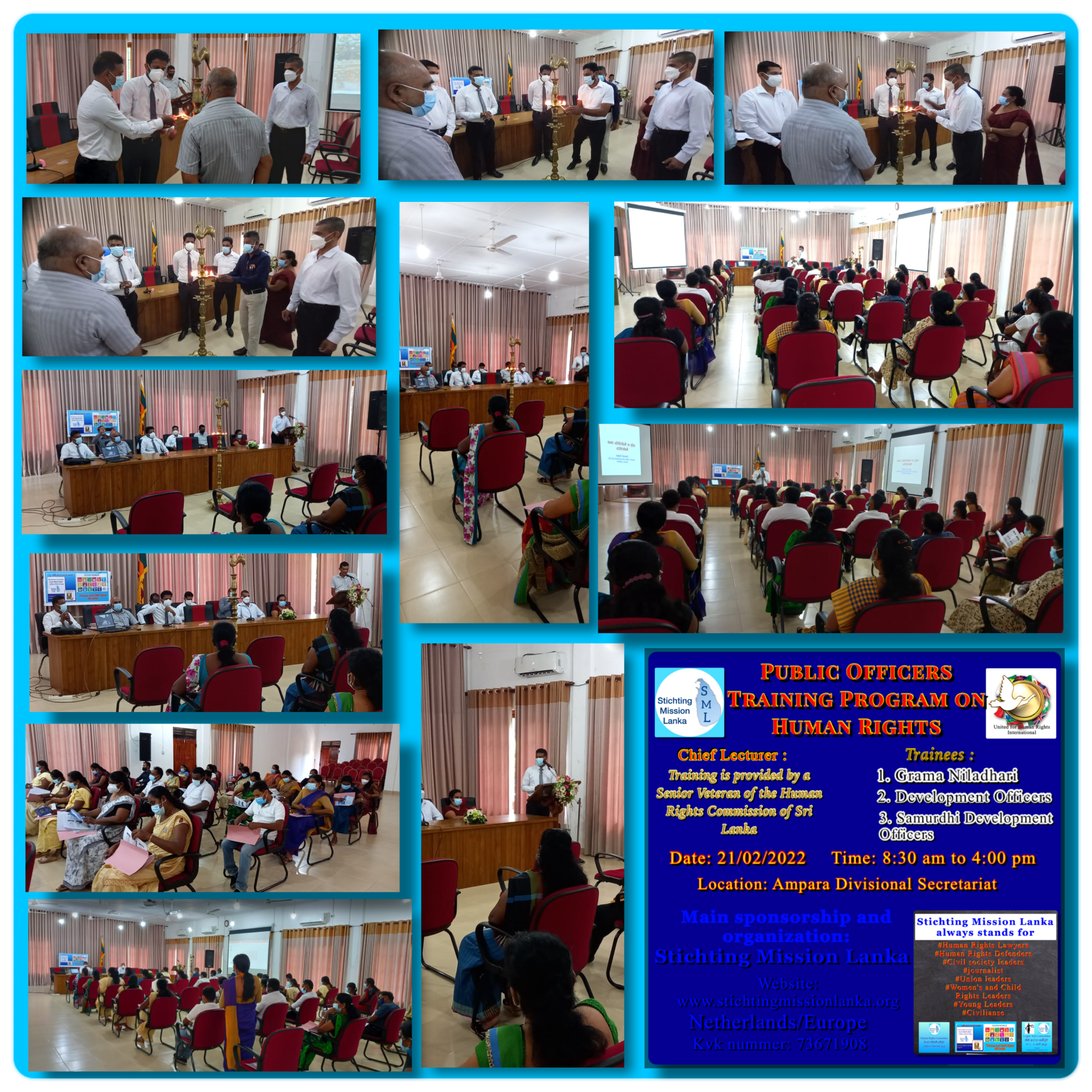
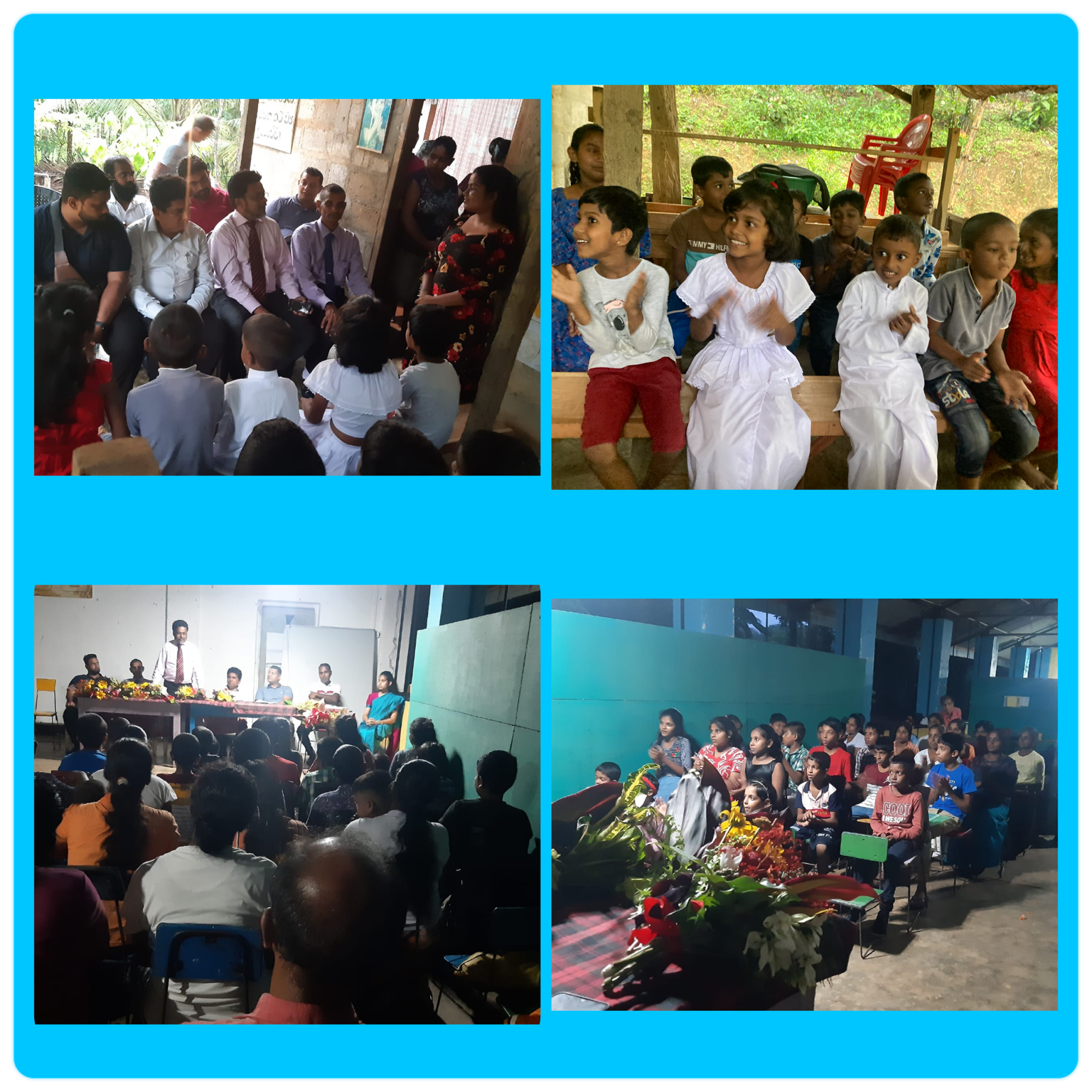
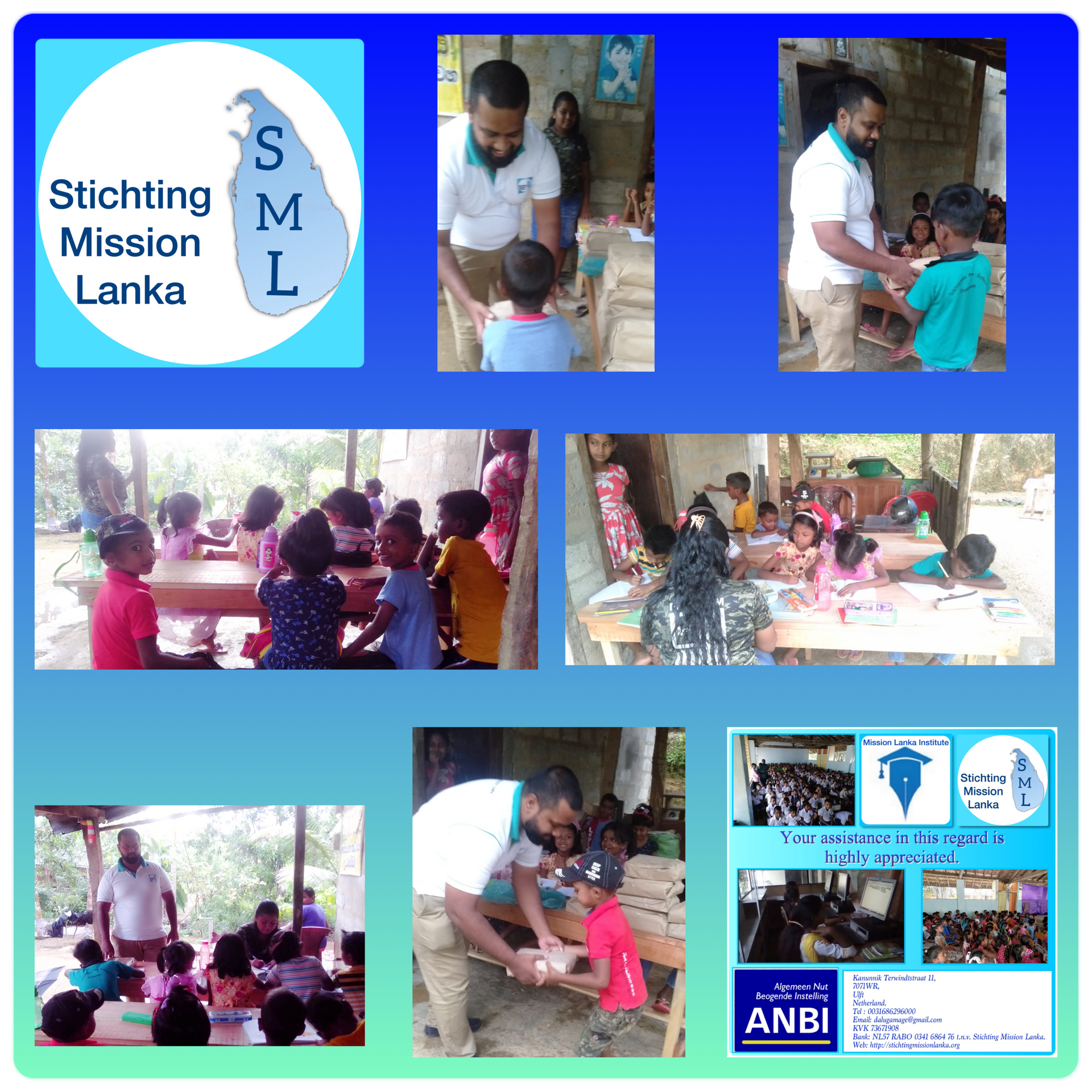
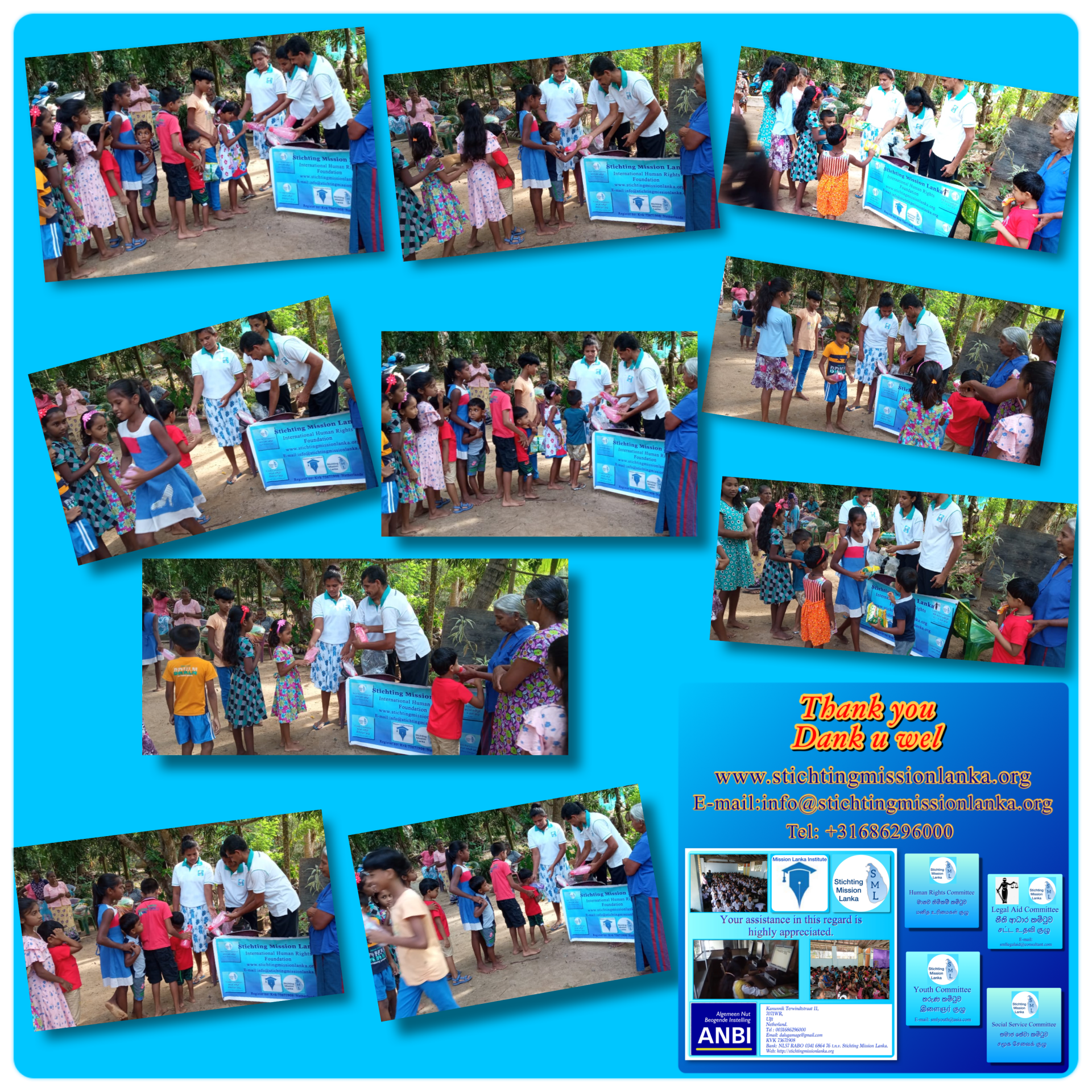
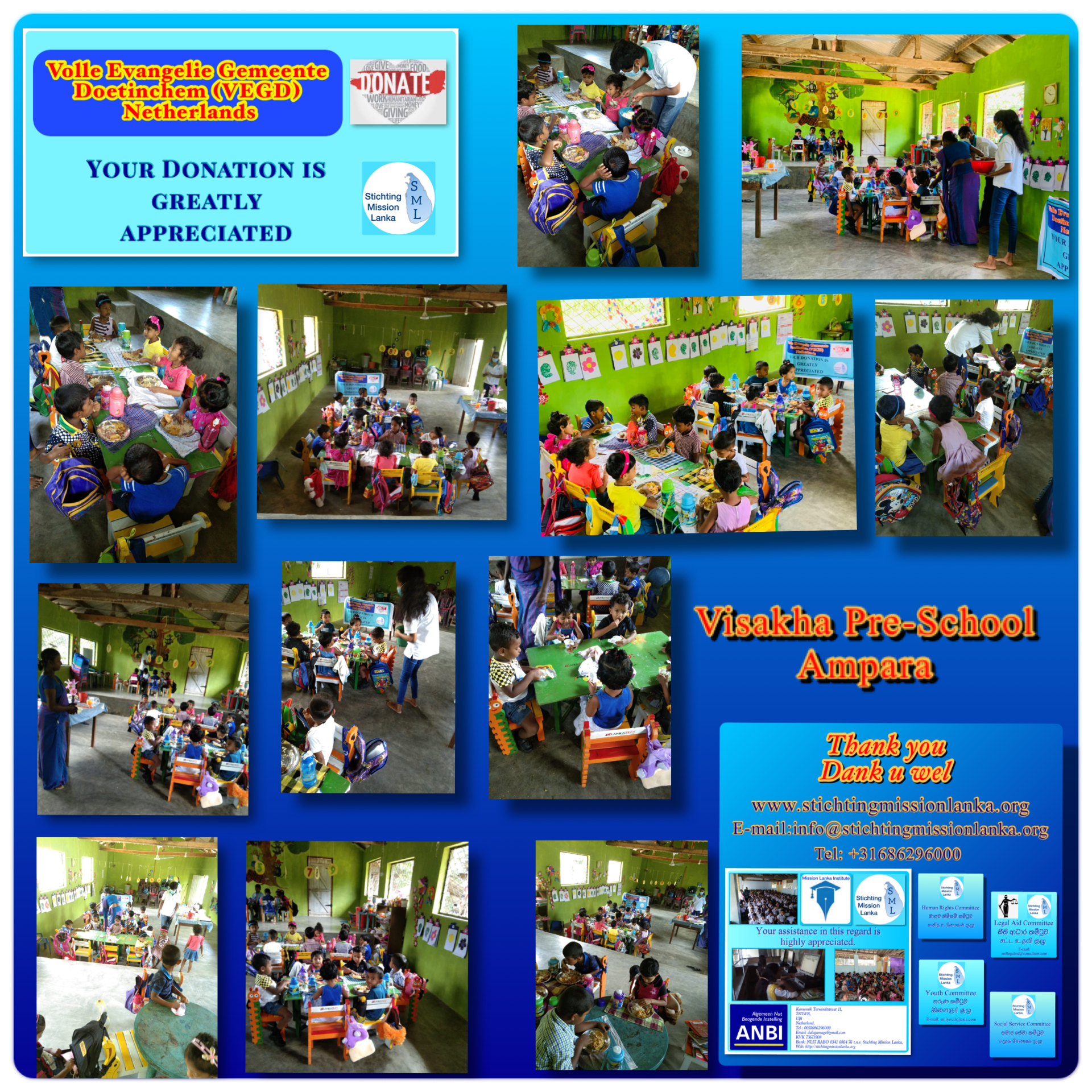
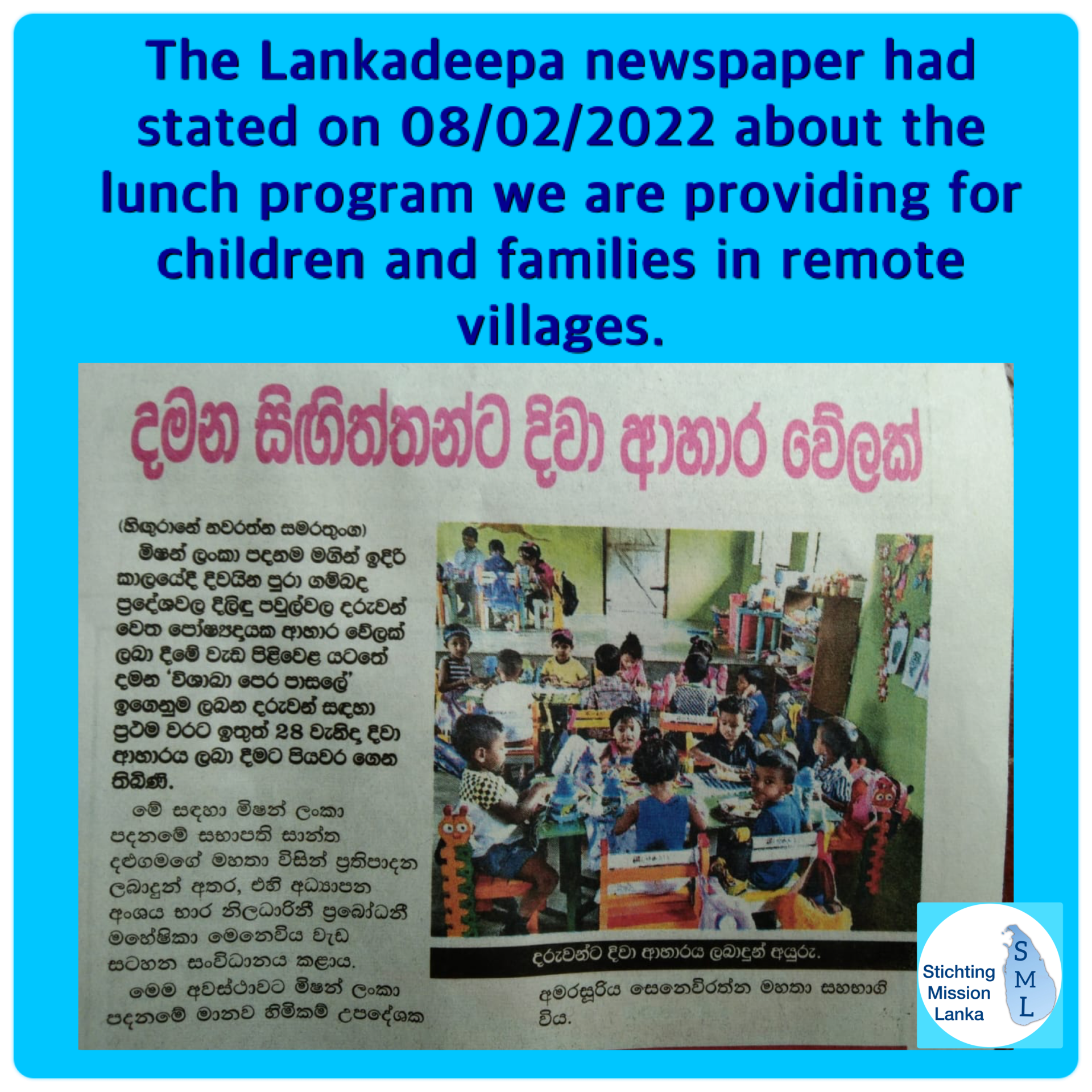
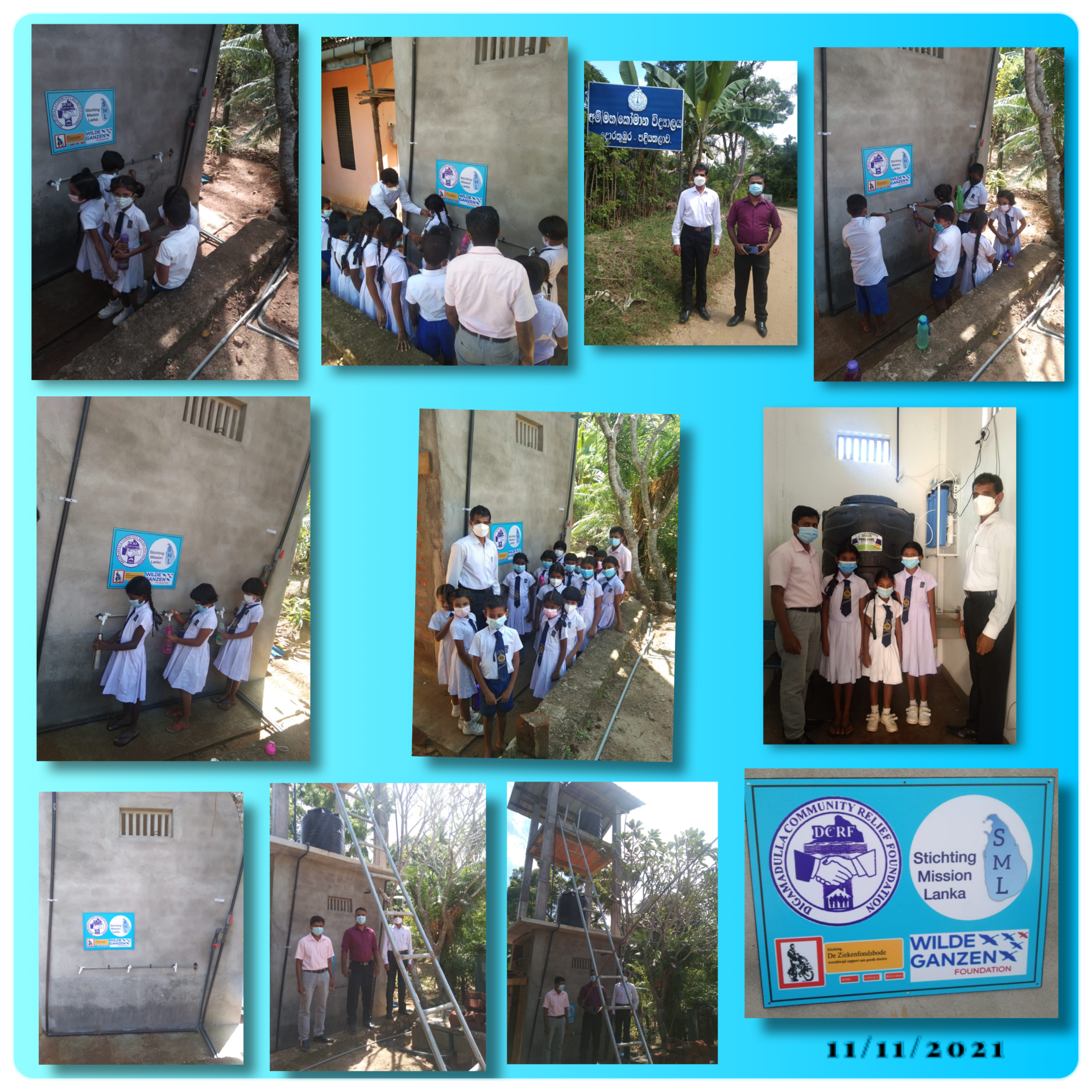
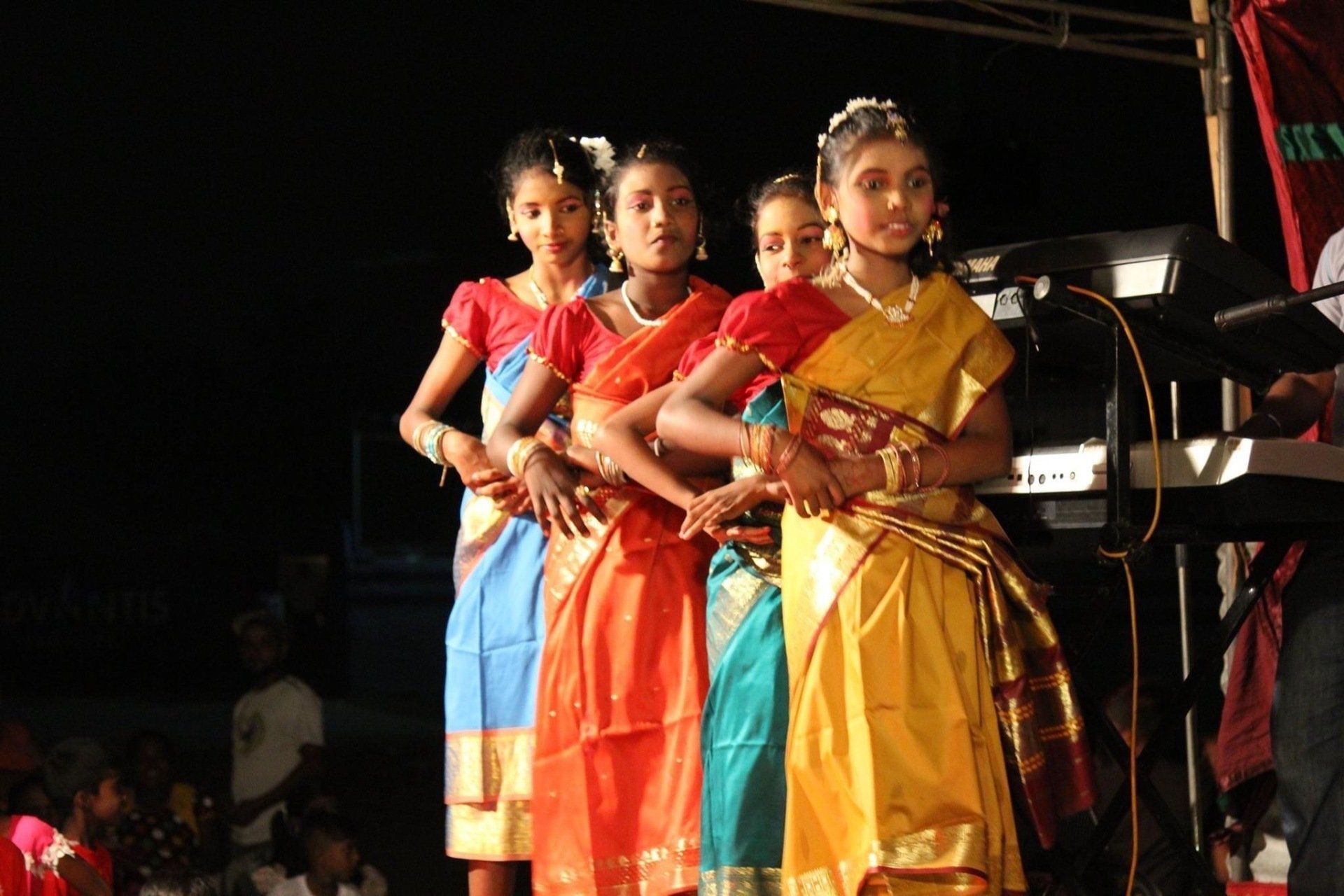
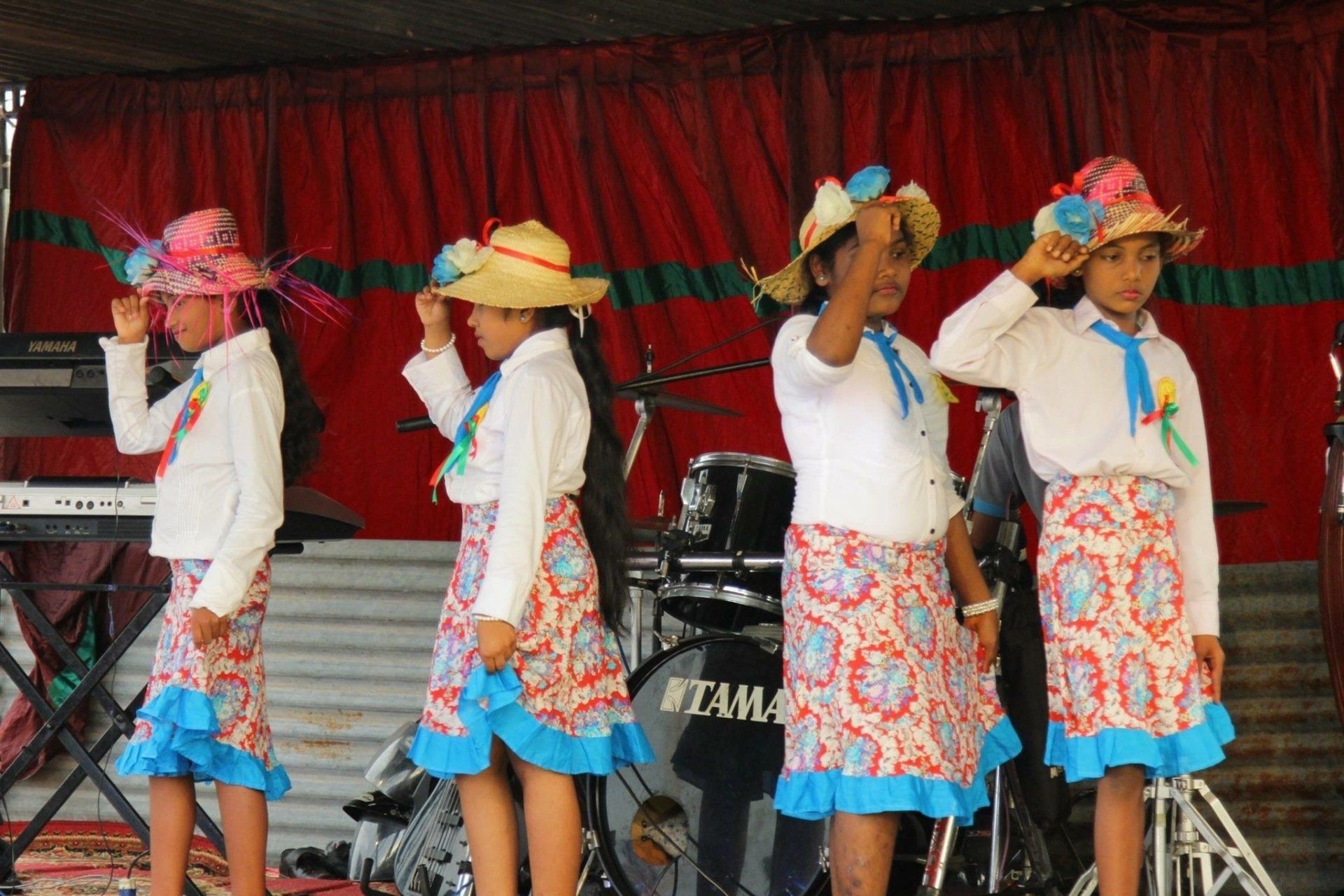
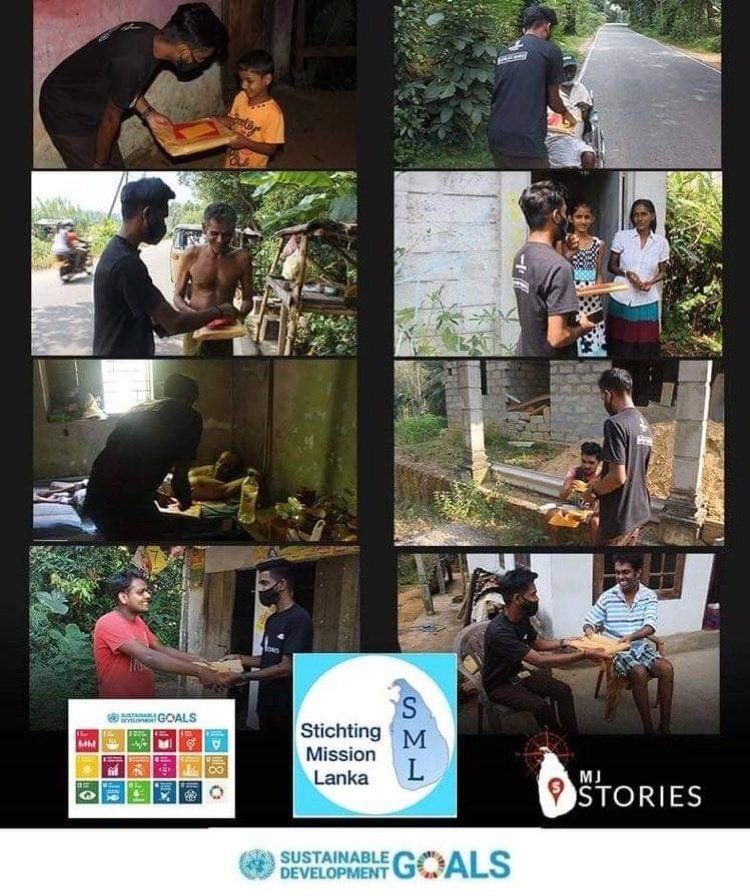
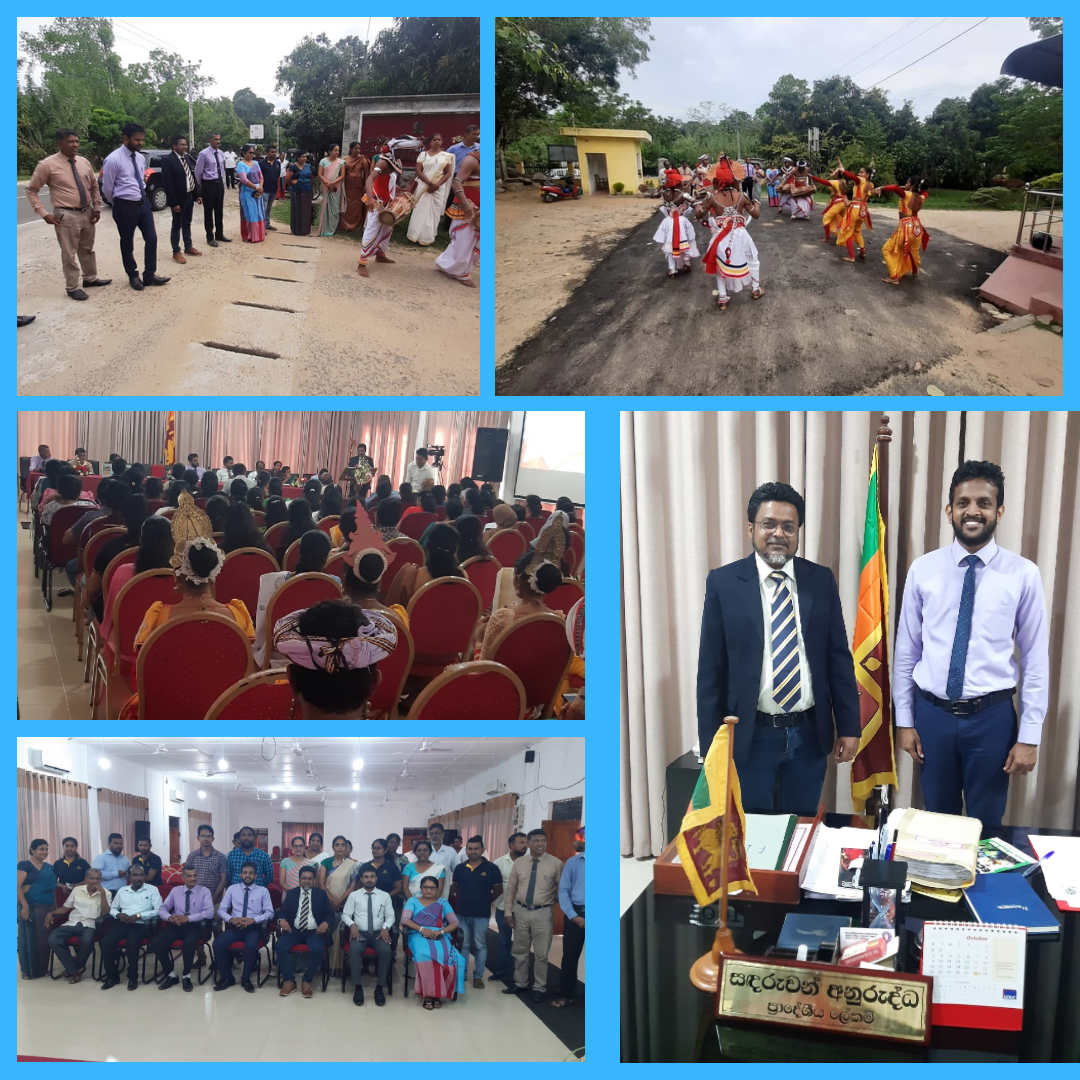
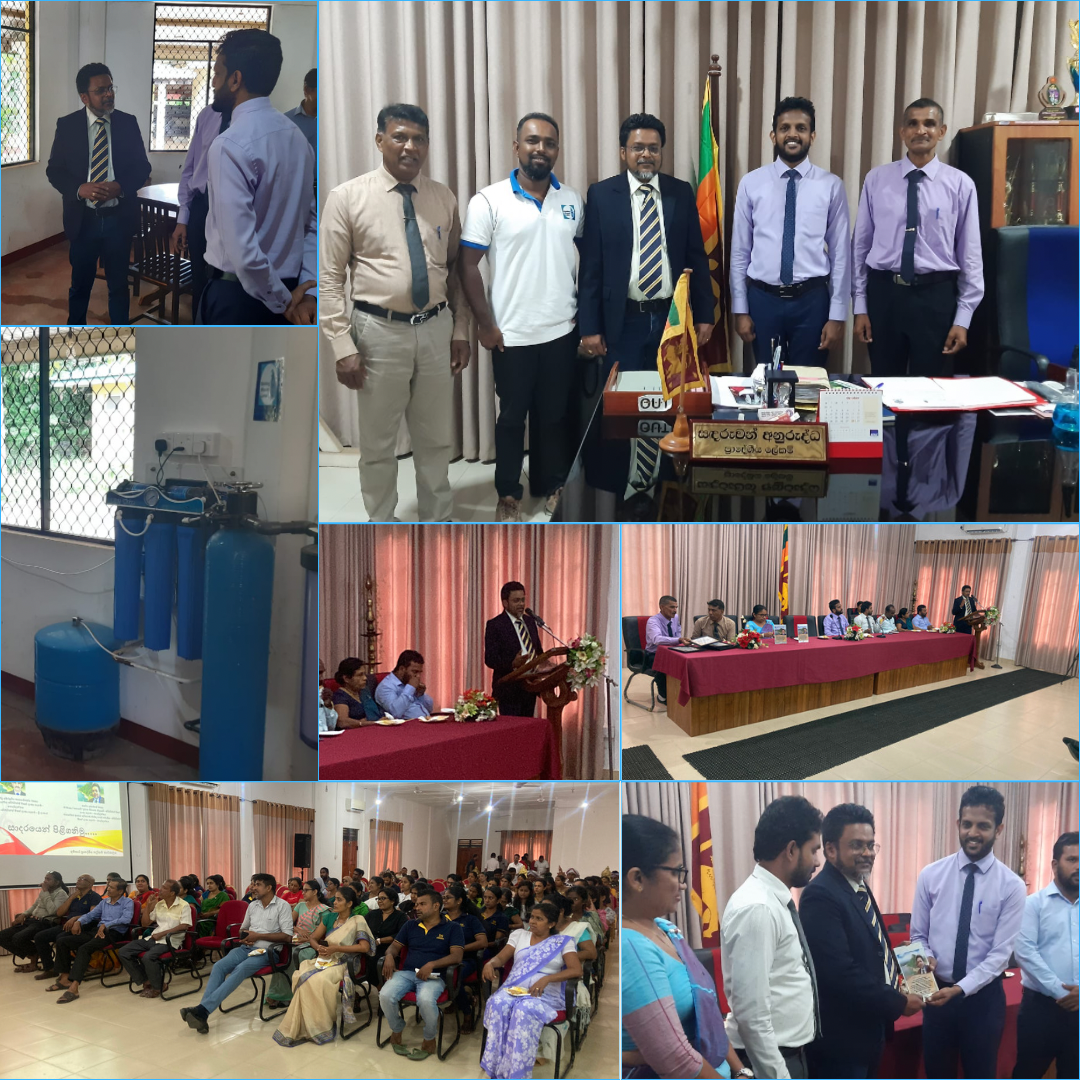
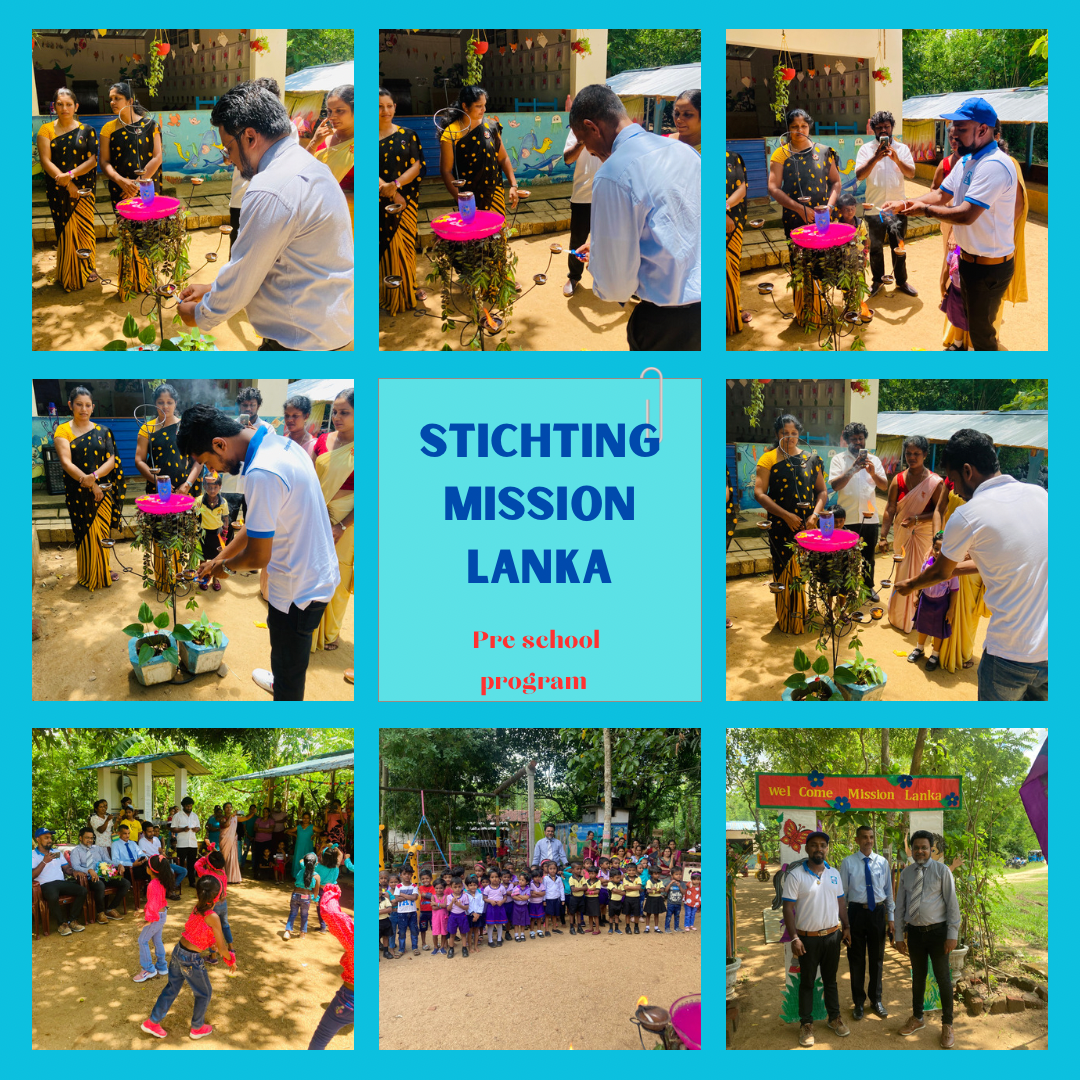
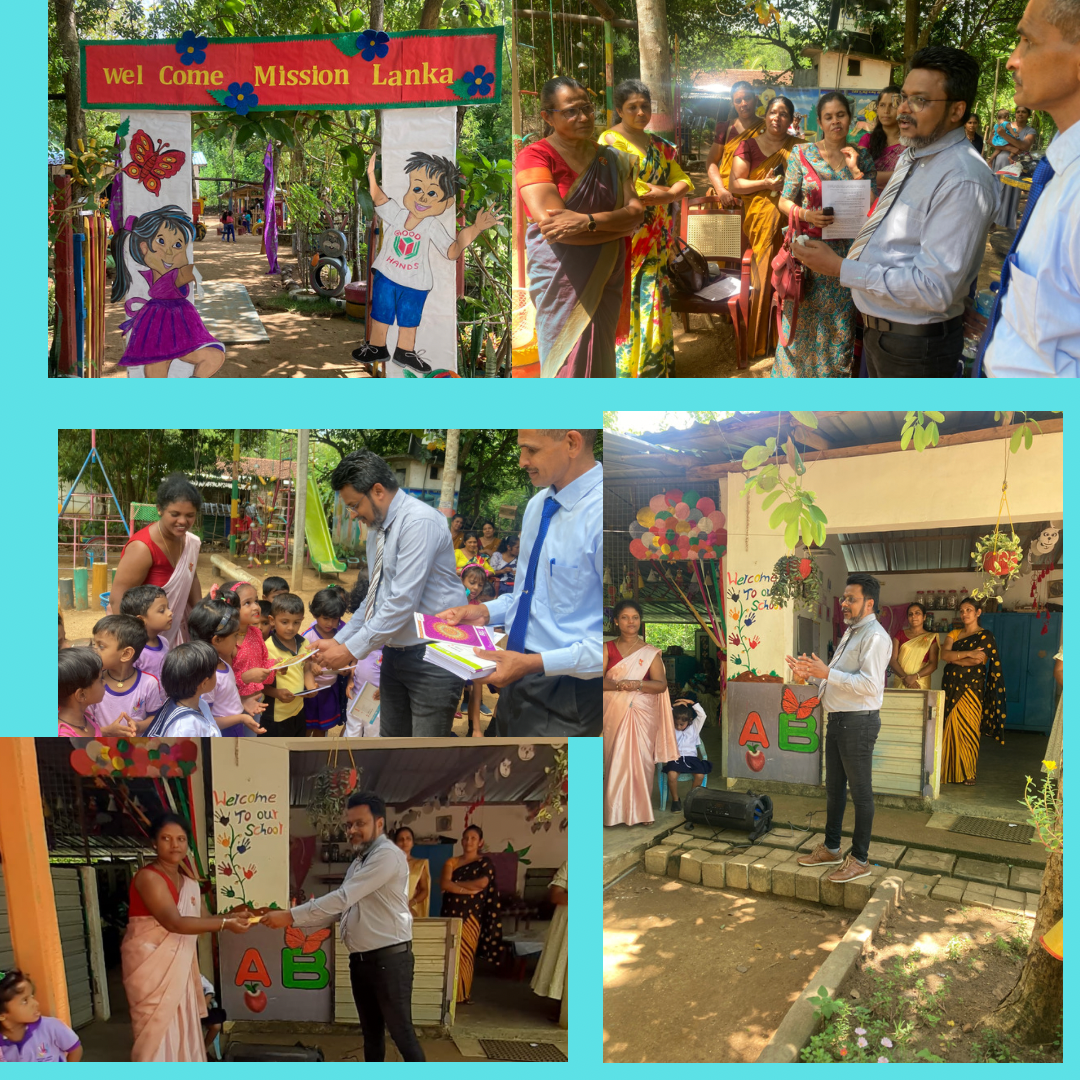
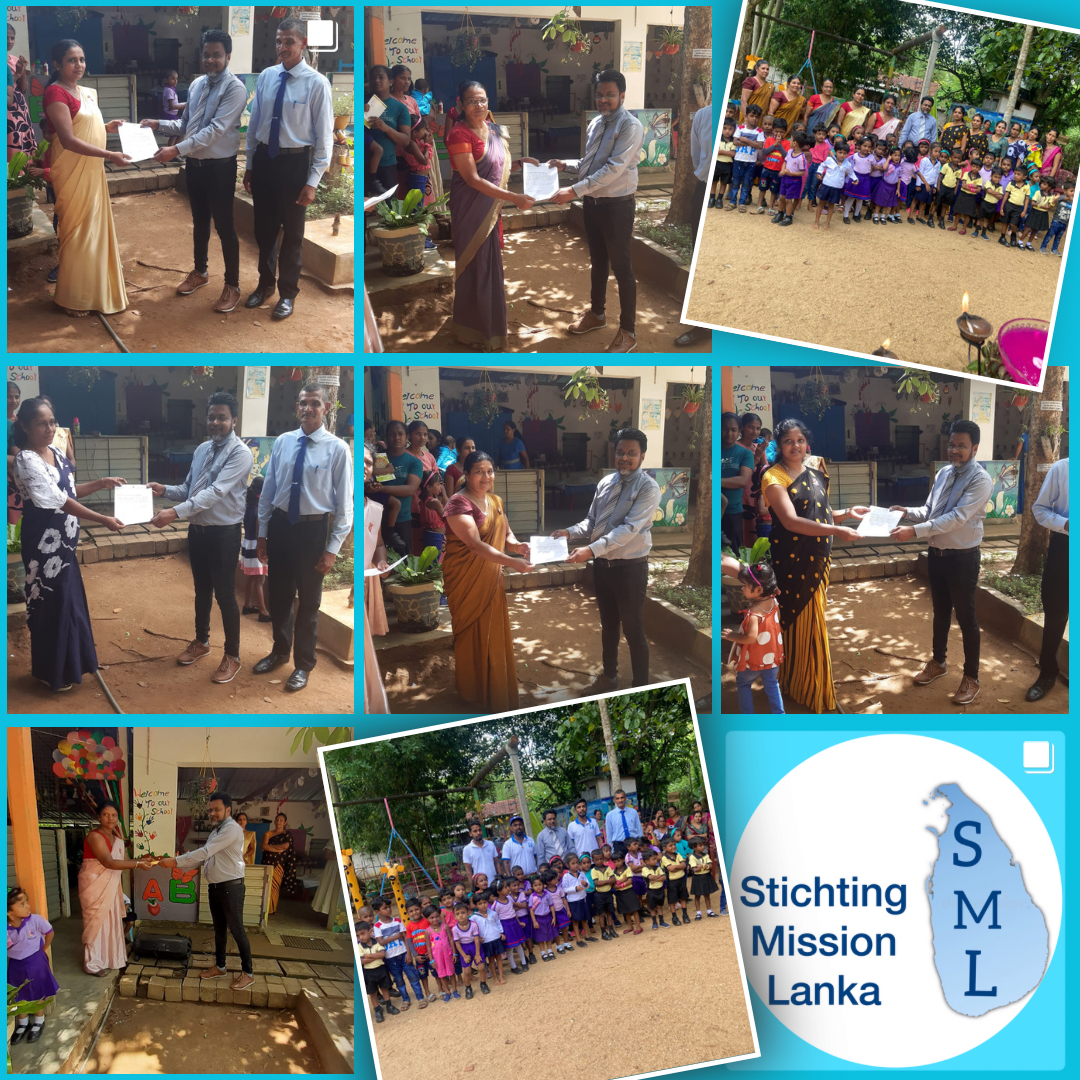
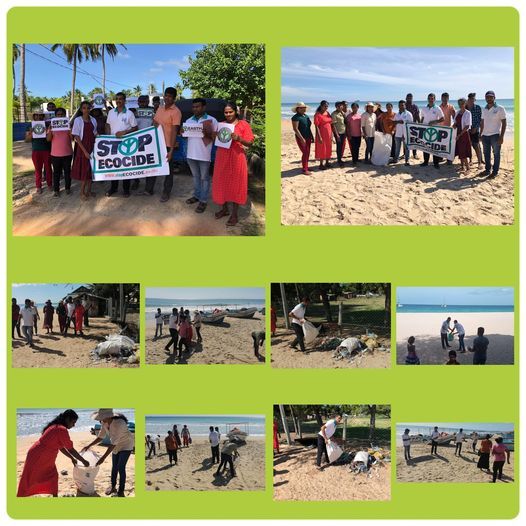
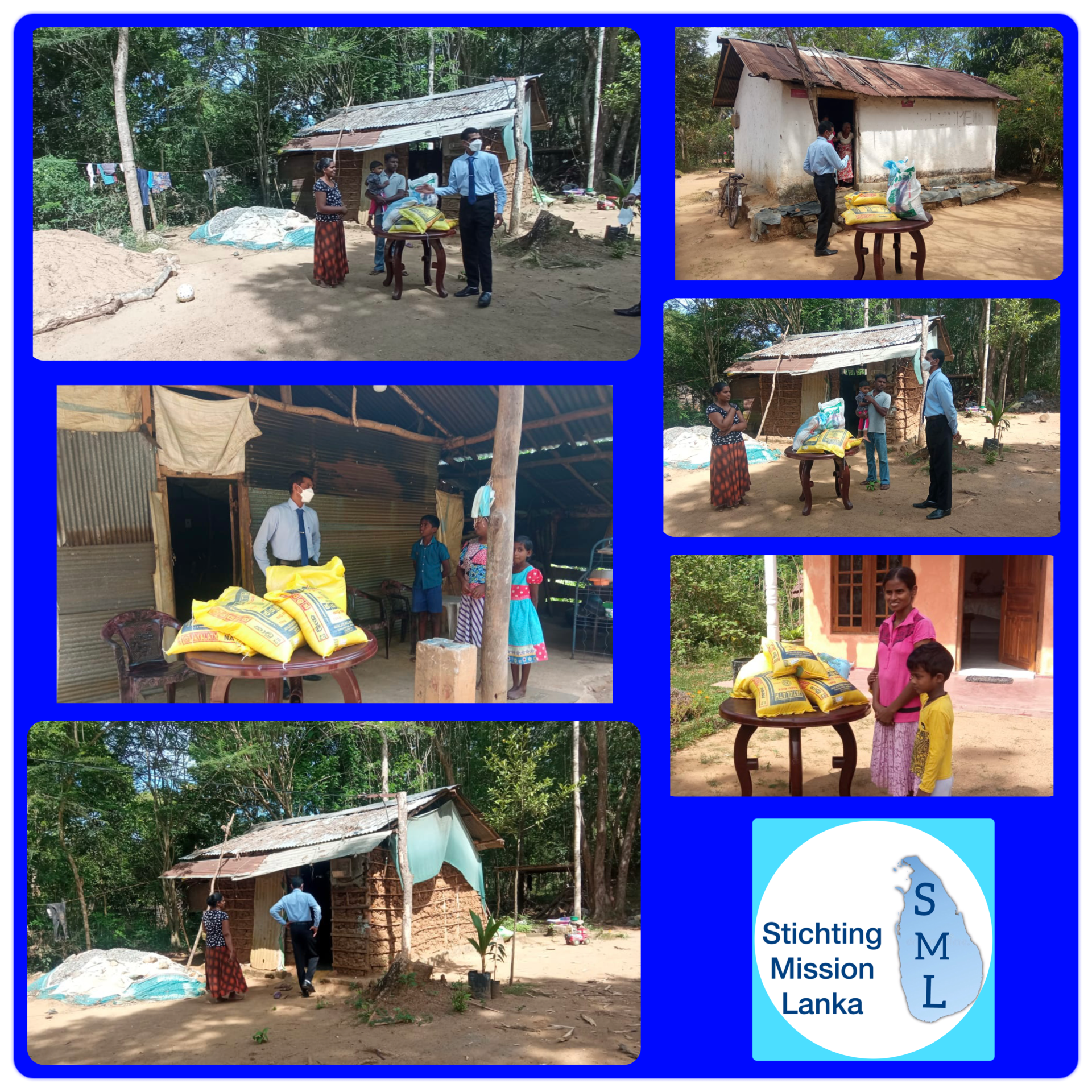
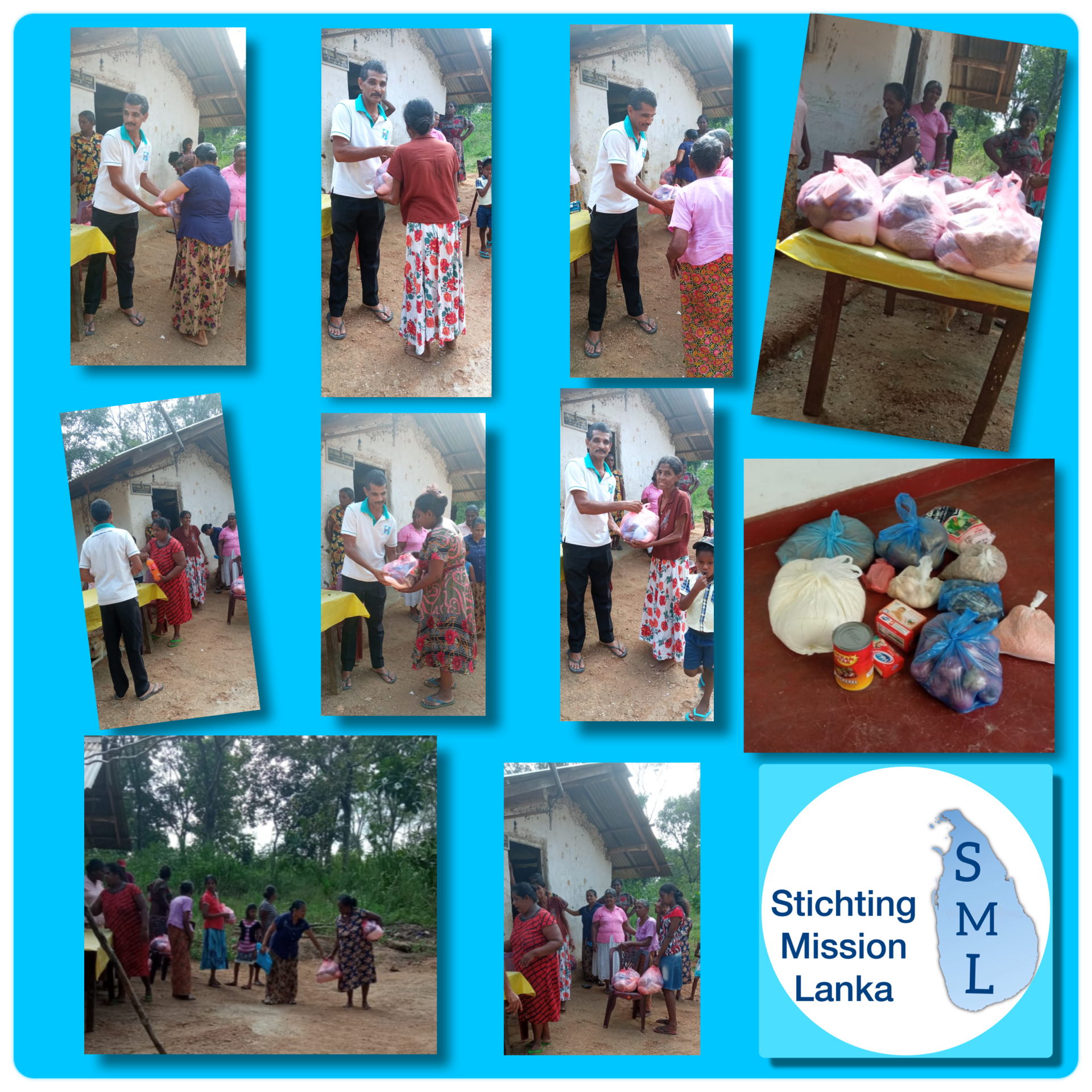
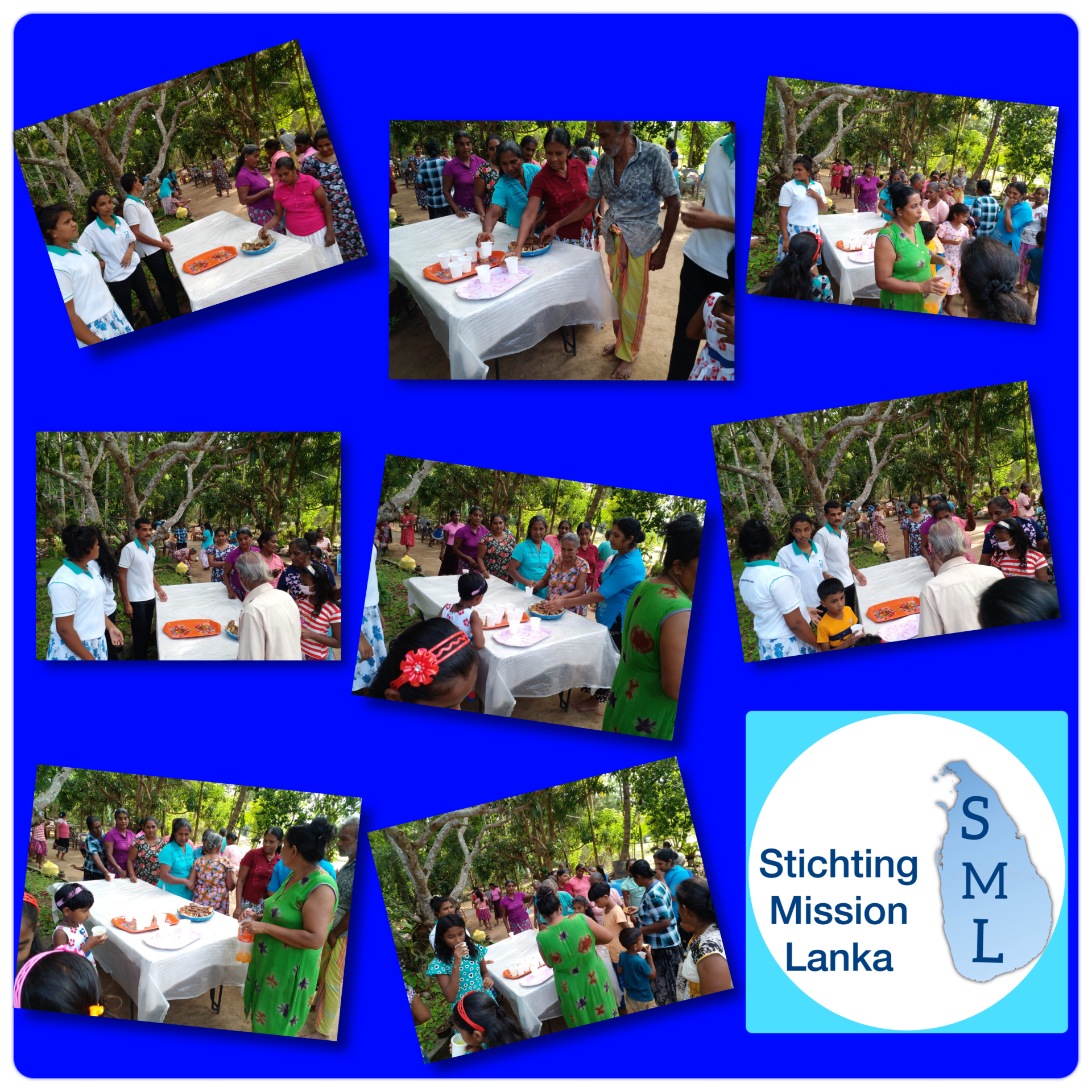
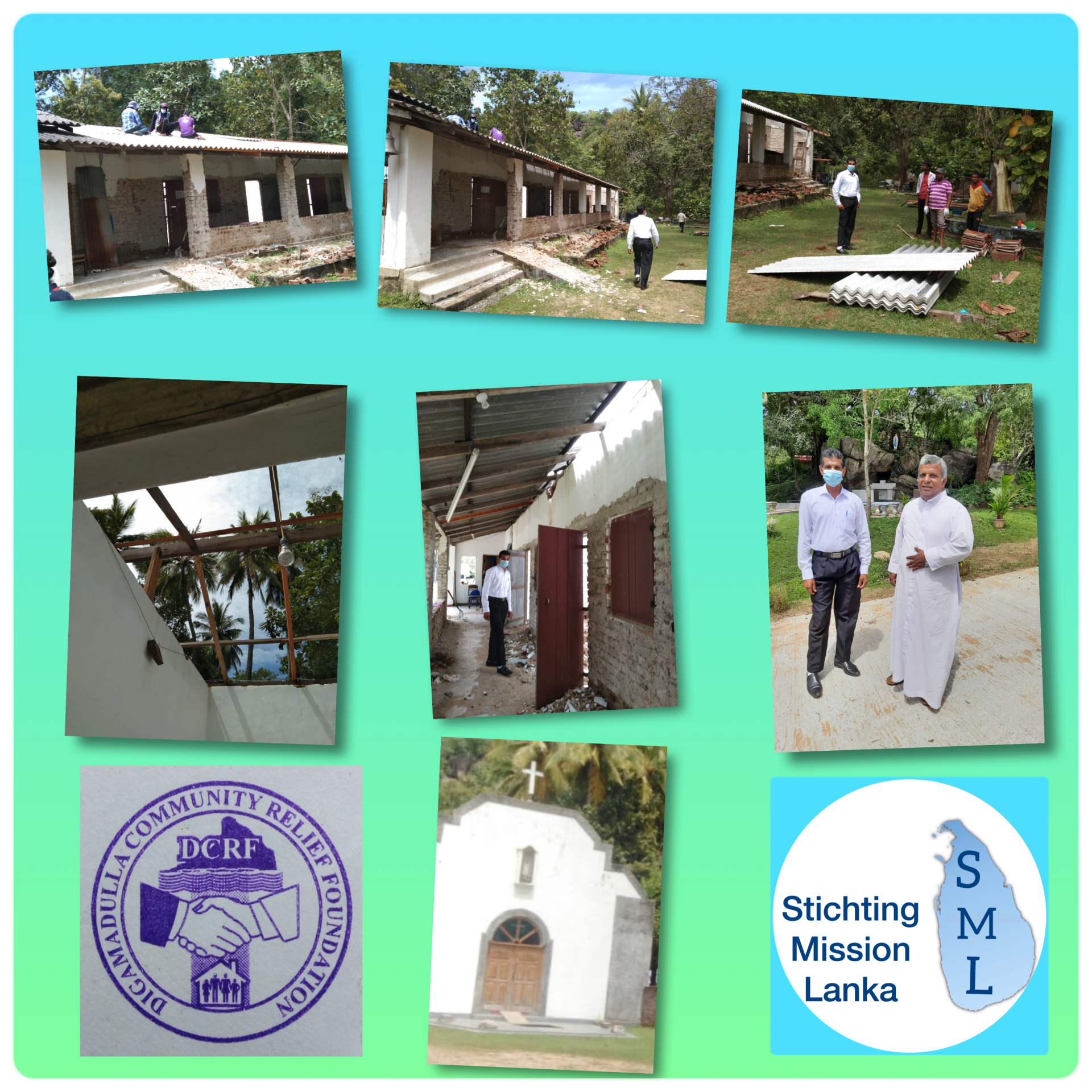
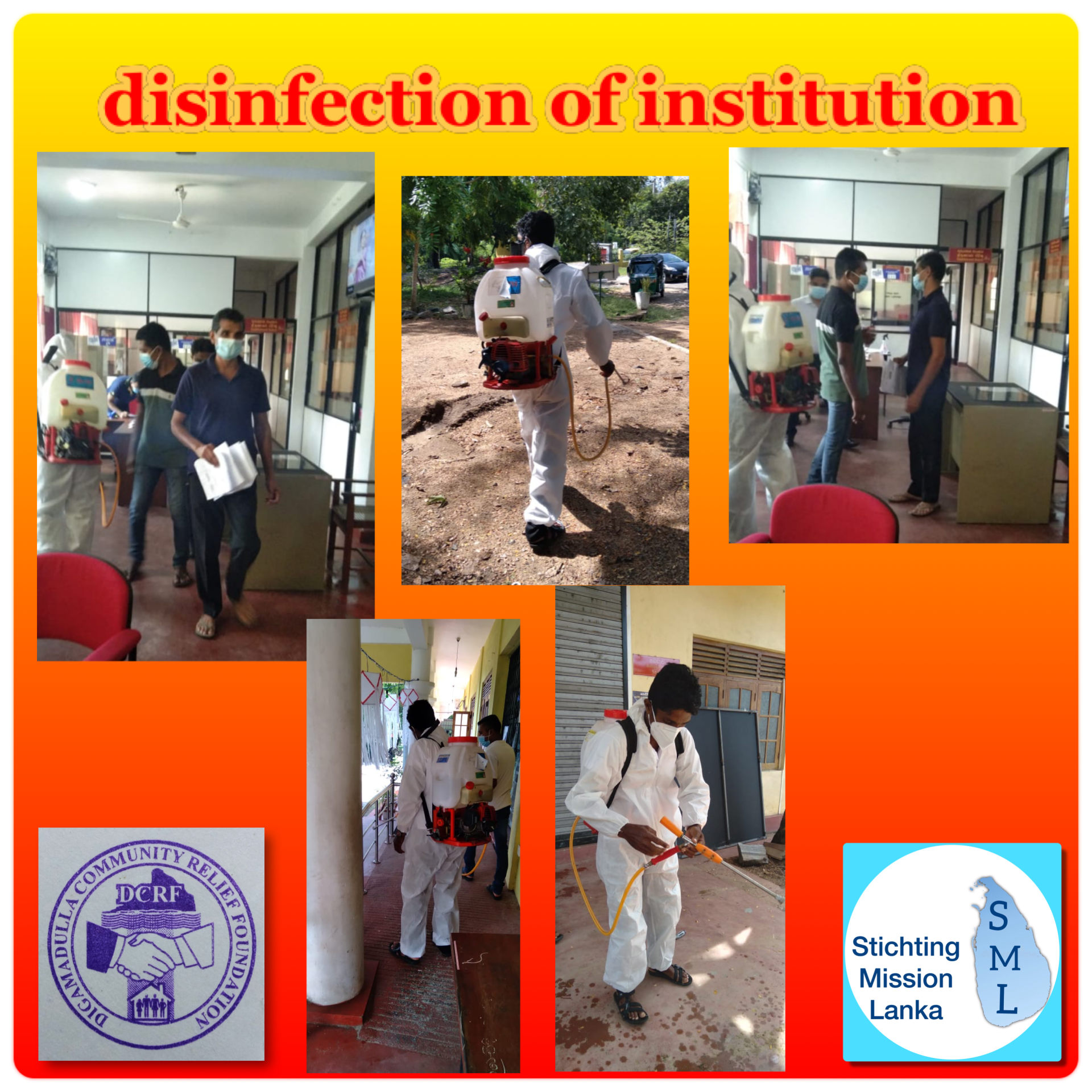
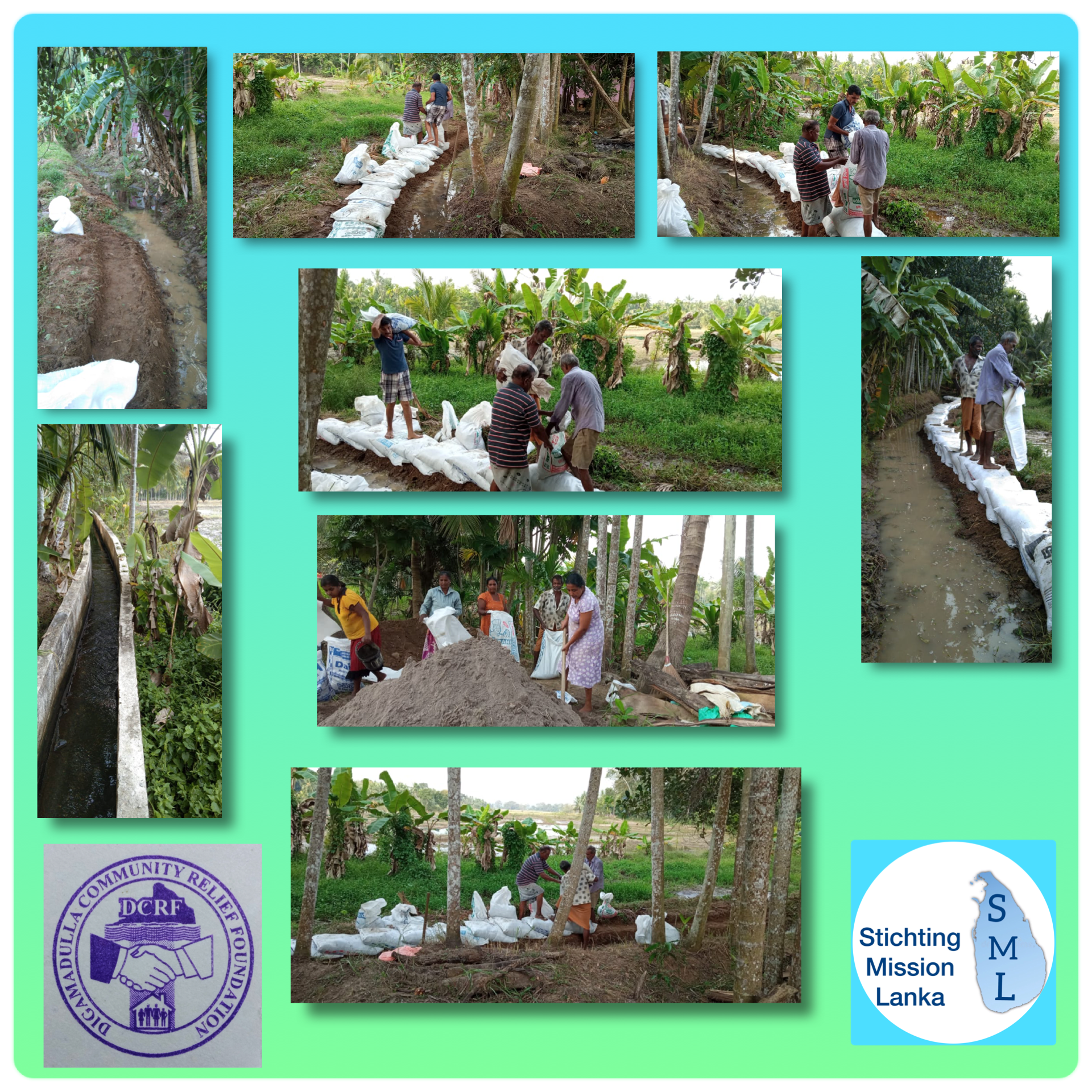
These are just a few examples of our recent programs. Each year, we organize more than 40 programs across the country for people of all ages with diverse interests and needs.
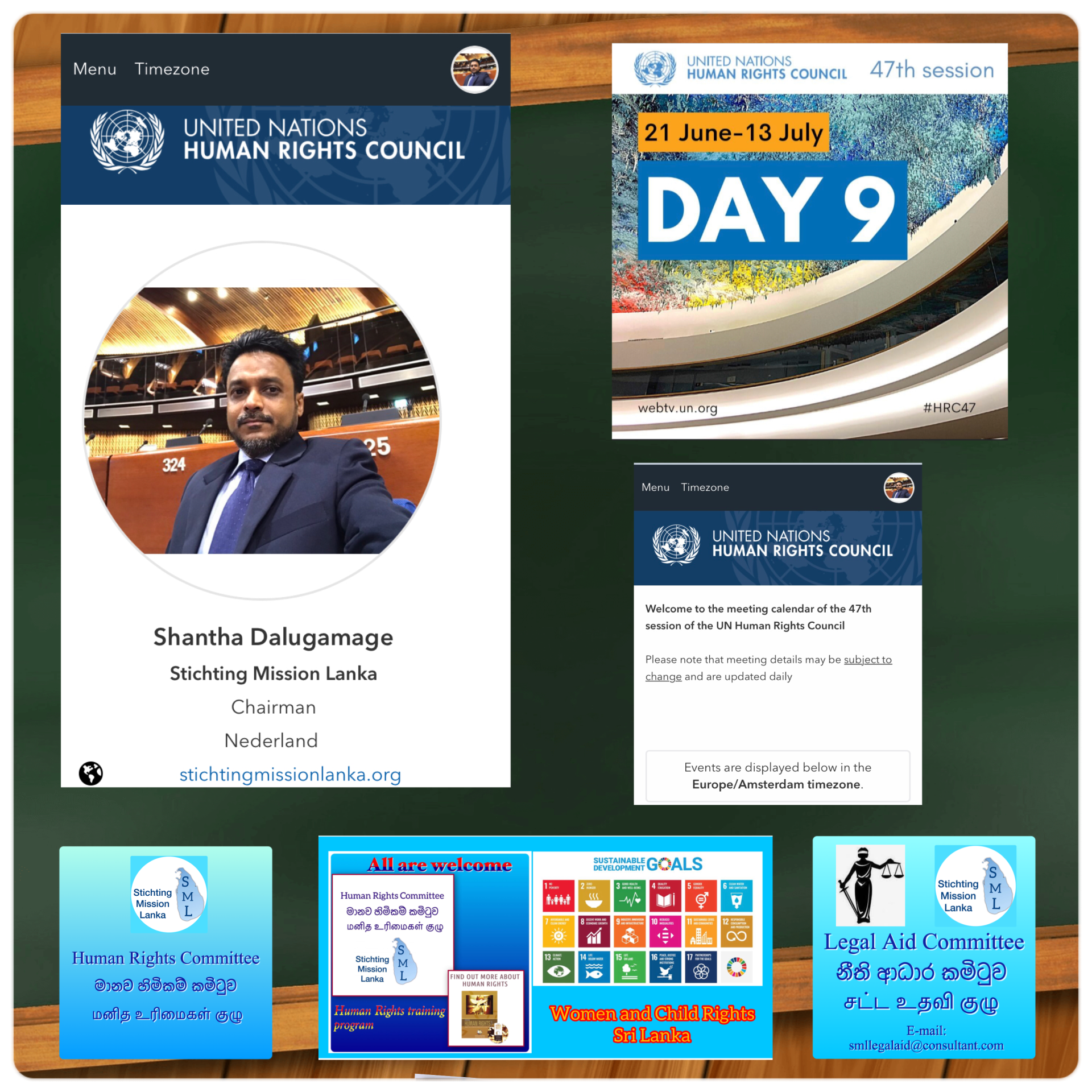
Legal Aid Commission
This committee primarily assists the poor and needy with legal matters and offers free legal aid to those who lack legal knowledge and cannot afford a lawyer. This is supported by national and international lawyers and organizations.
Commission on Human Rights
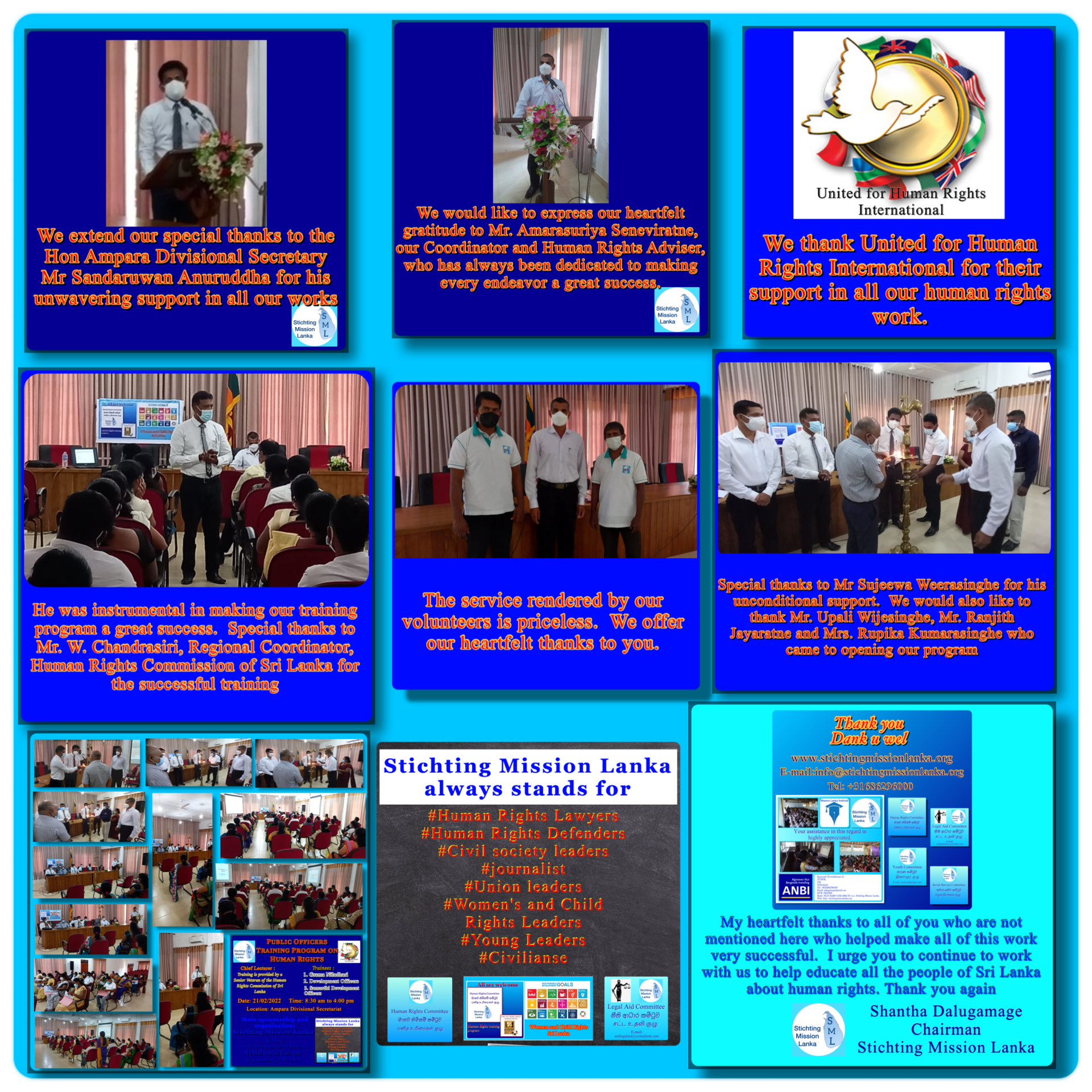
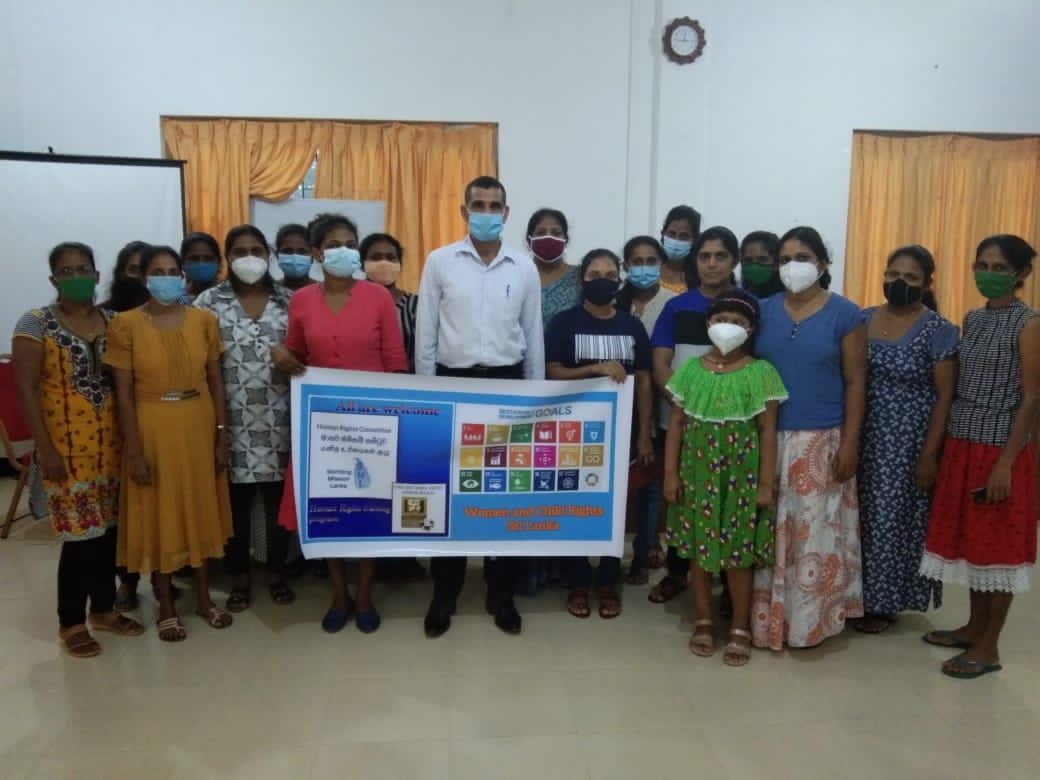
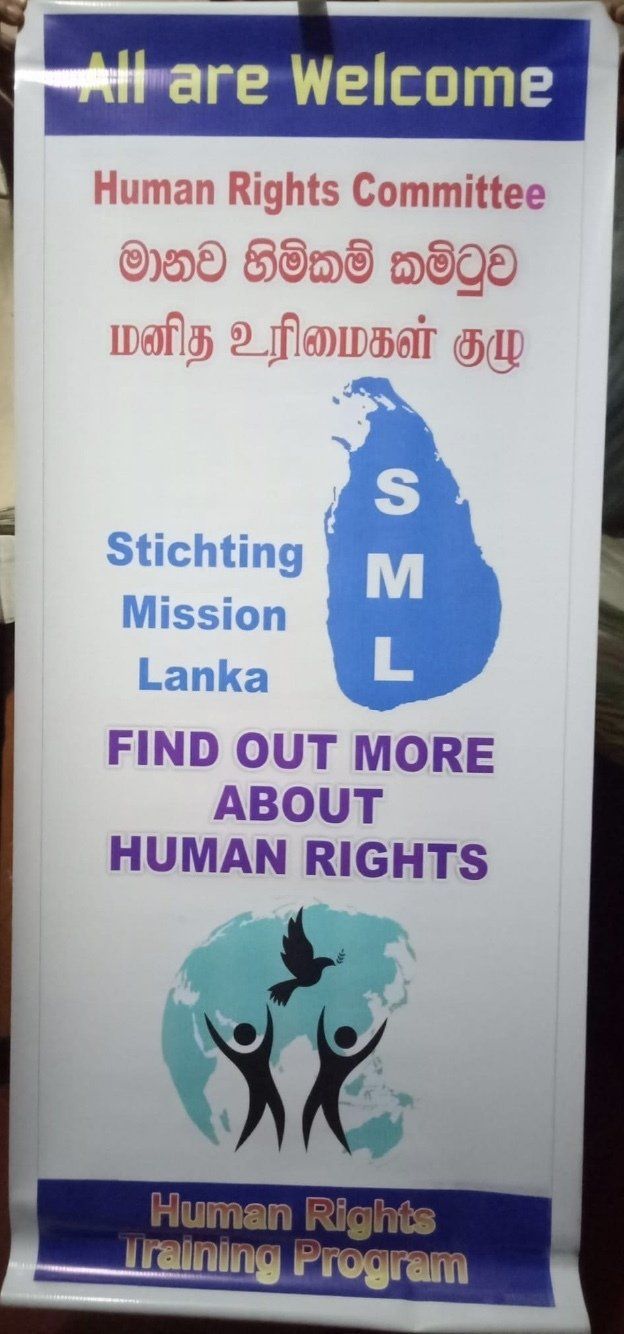
This commission contributes to raising awareness of human rights, children's rights, and children's education. It contributes to the peace process by offering mediation between parties in disputes. It takes institutional and legal steps to support victims and minimize human rights violations. The commission contributes to sustainable peace and development. It also advocates for women's rights, women's development, and children's rights. It helps create a harmonious society with a broader social identity. Furthermore, the commission promotes human rights, peace and harmony, development, and good governance through seminars, publications, government representations, meetings, and seminars. Finally, it promotes freedom of conscience, freedom of expression, freedom of the press, and peaceful and harmonious coexistence for all citizens.
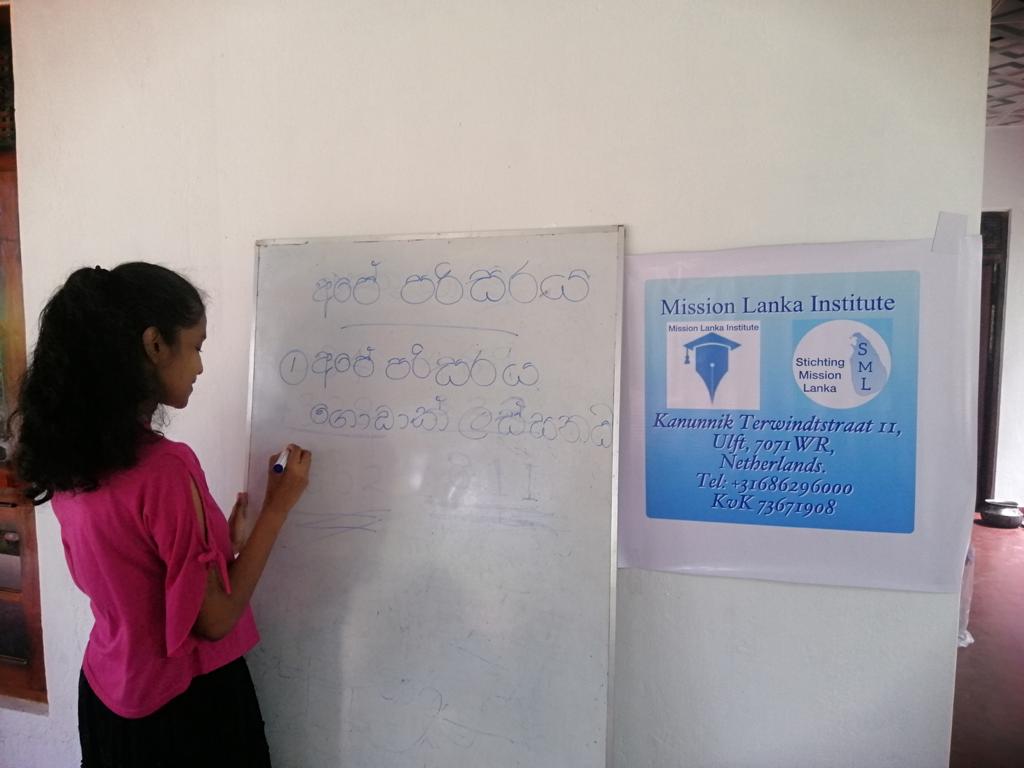
Mission Lanka Institute
Program objectives:
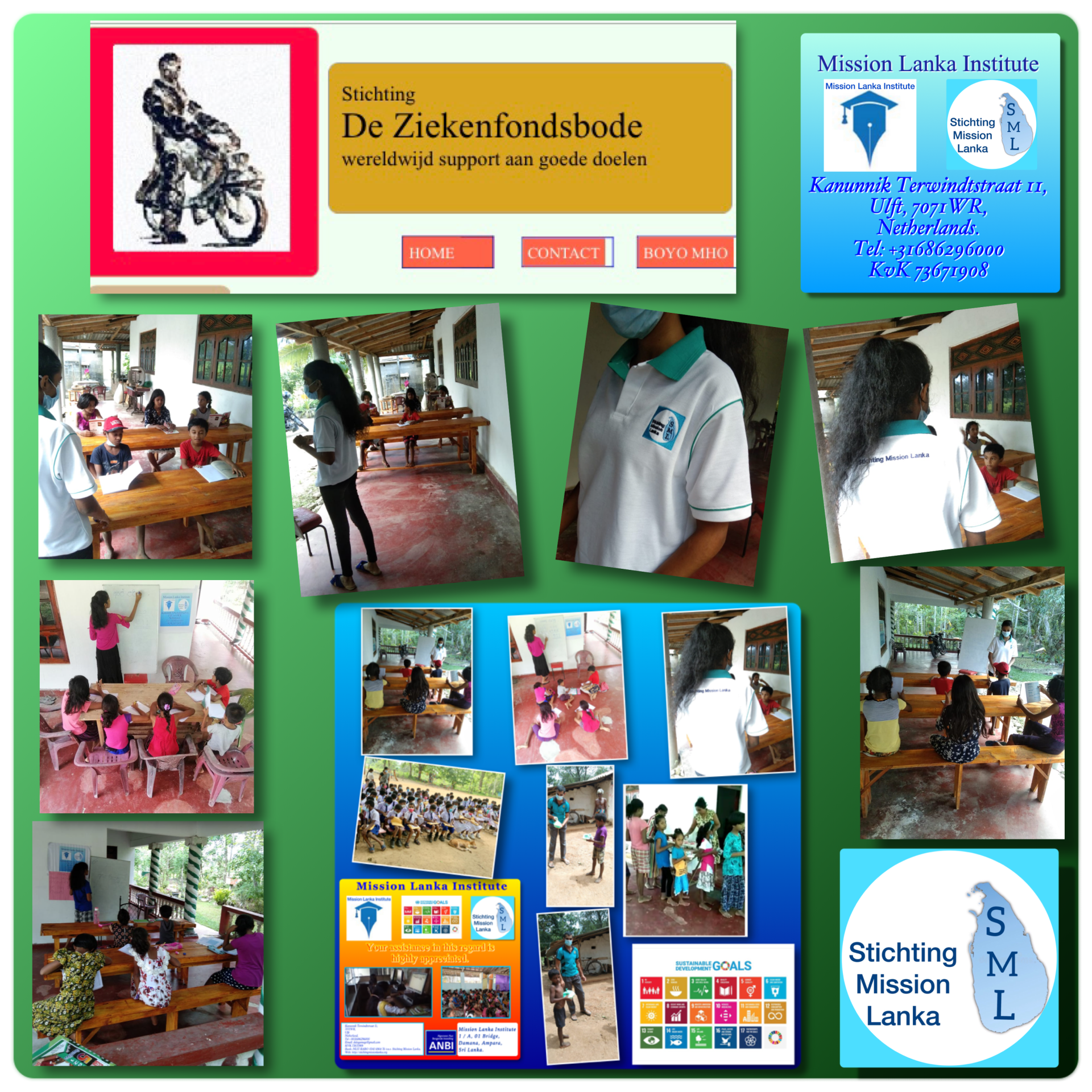
Children are actively involved in addressing problems such as absenteeism and high absenteeism in schools. Parents and the community are actively involved in addressing absenteeism and maintain ongoing consultations with school authorities to ensure quality education for children. Civil society organizations are actively engaging with the provincial government to advocate for adequate resources for disadvantaged areas. Schools and communities actively contribute to maintaining quality education and addressing gender discrimination in schools.
Activities:
# Drawing up and implementing an action plan for the education of children in the age category 5-14 years.
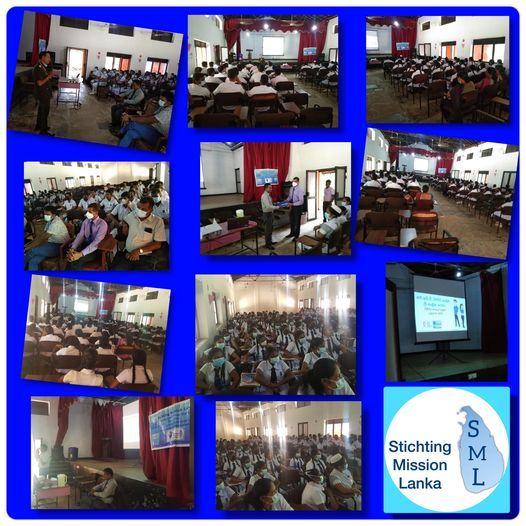
# Making children aware of the value of education and their right to education.
# Workshops for government officials on strengthening government-community ties.
# Discussions with school management regarding adequate allocation of resources to schools.
# Gender training for communities.
# The relationship between parents and schools regarding quality education for children.
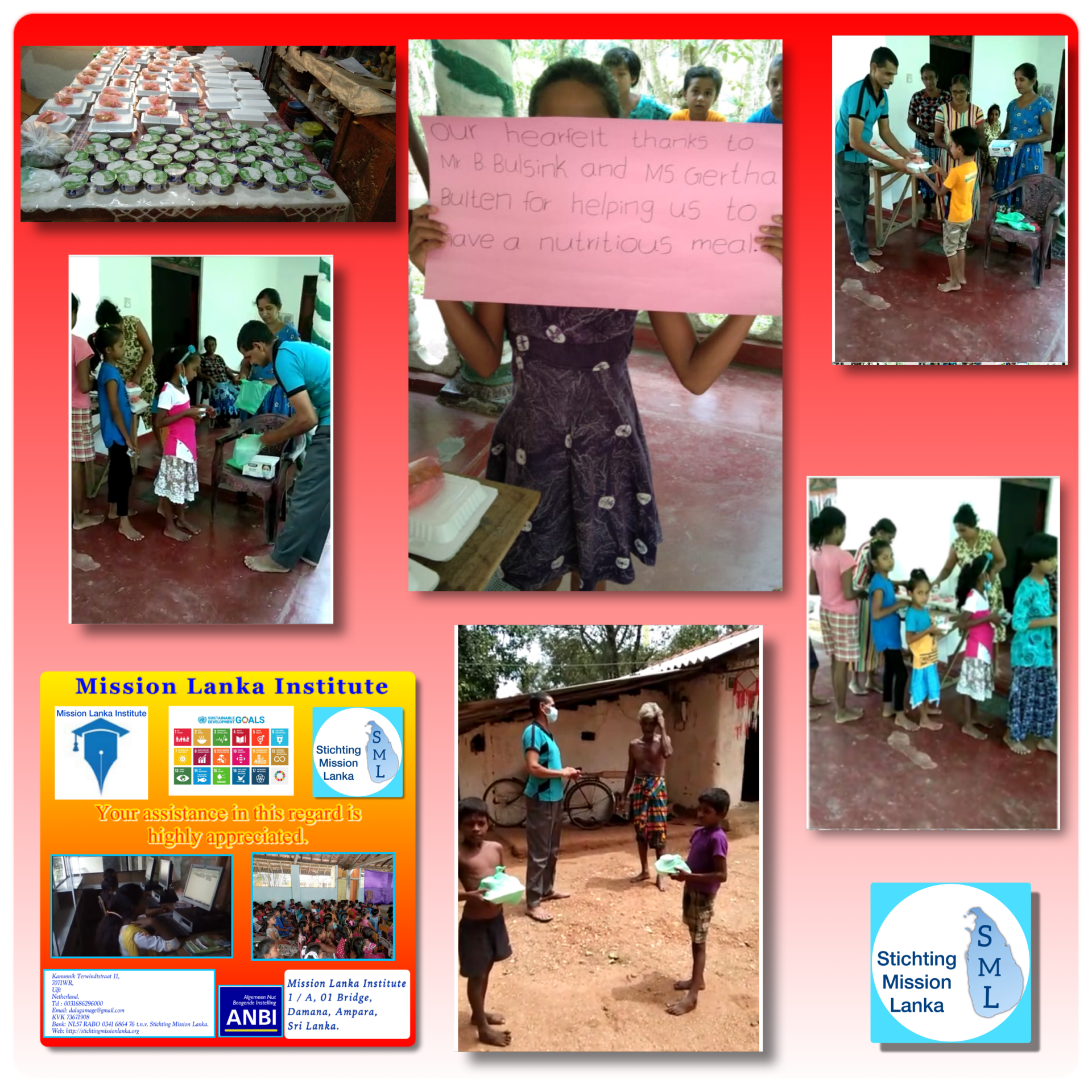
# Assess the nutritional status of children in the project areas and create awareness about nutrition.
# Raising awareness among social organizations about education for children aged 5 to 14 years.
# Consult with relevant authorities on the responsibilities of the food and child education sector.
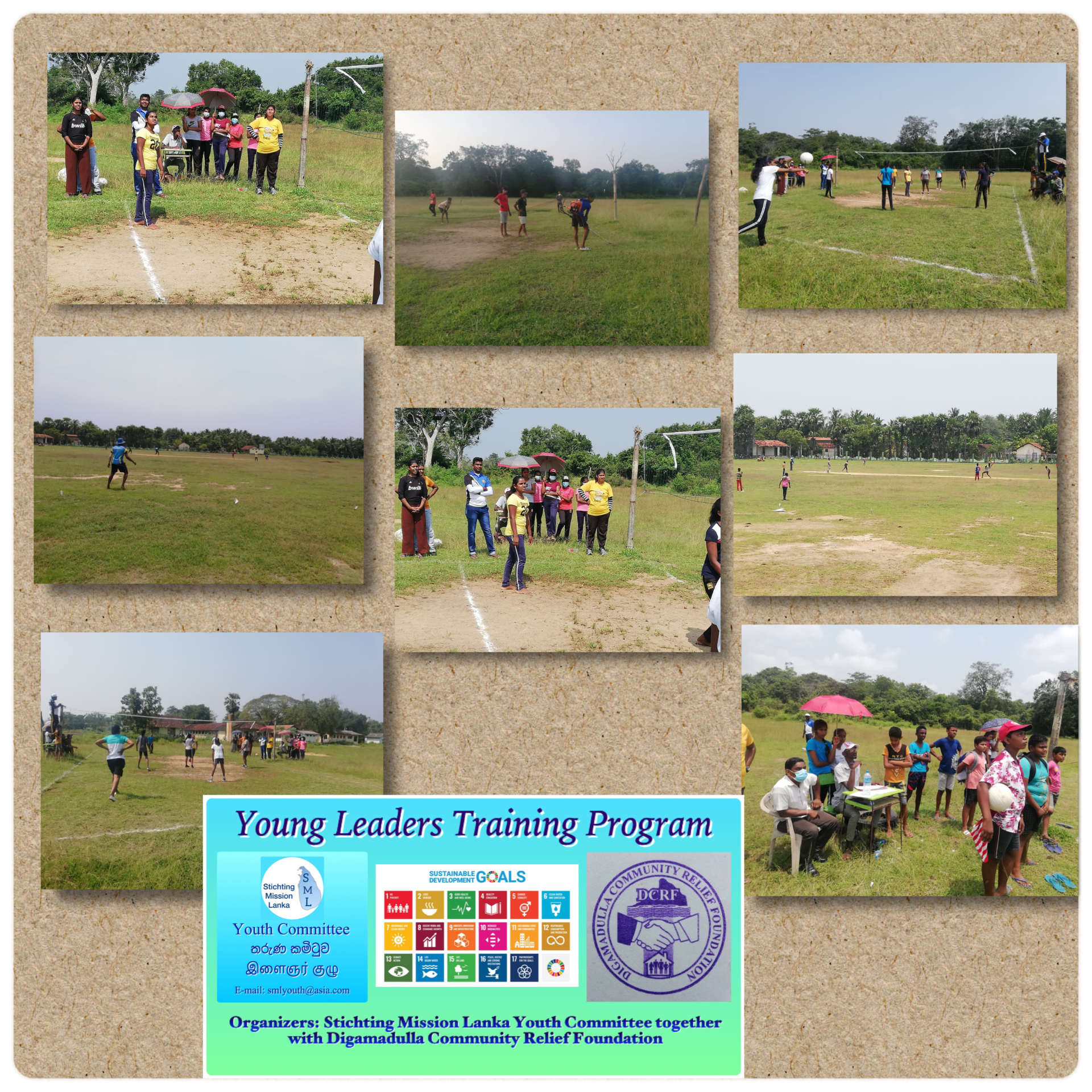
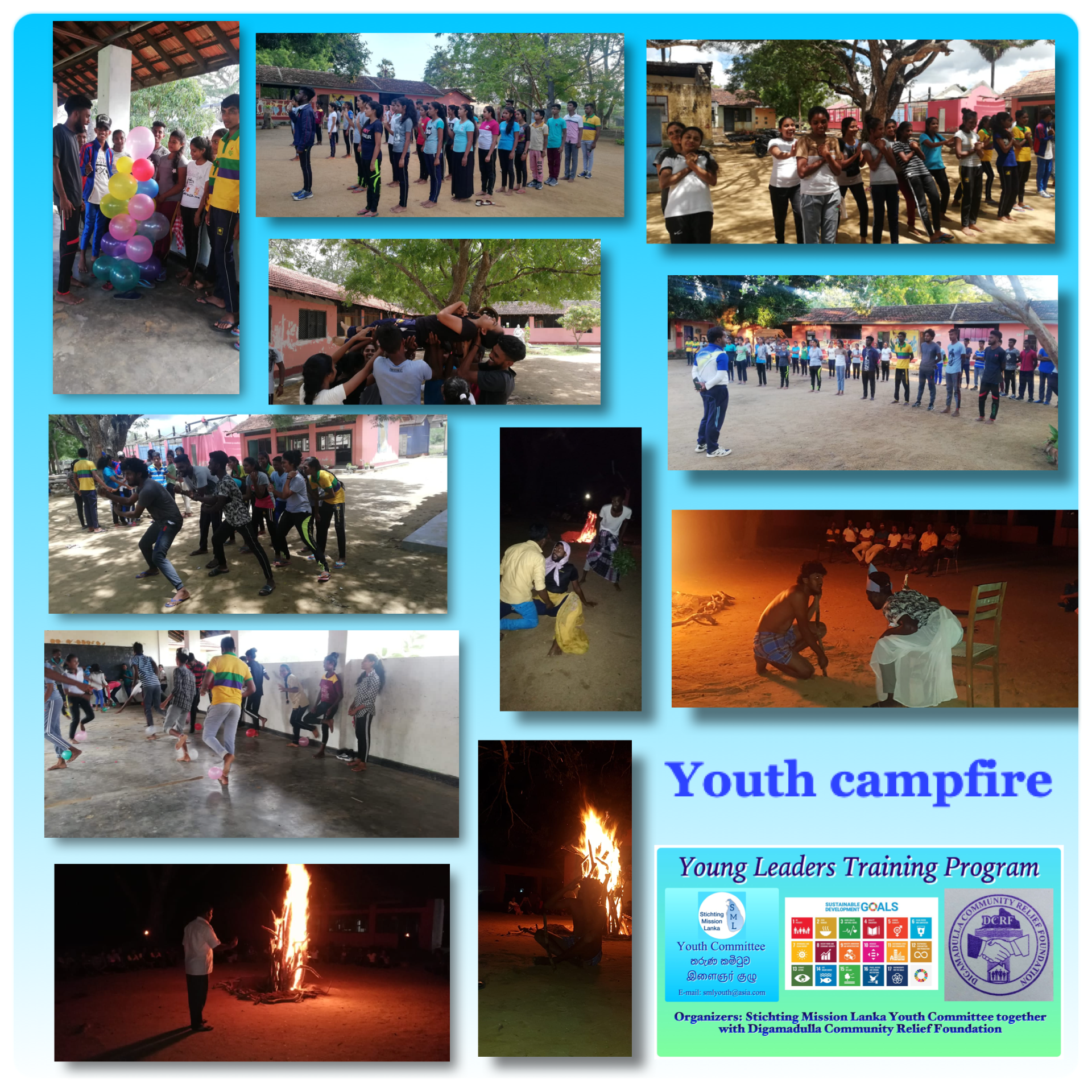
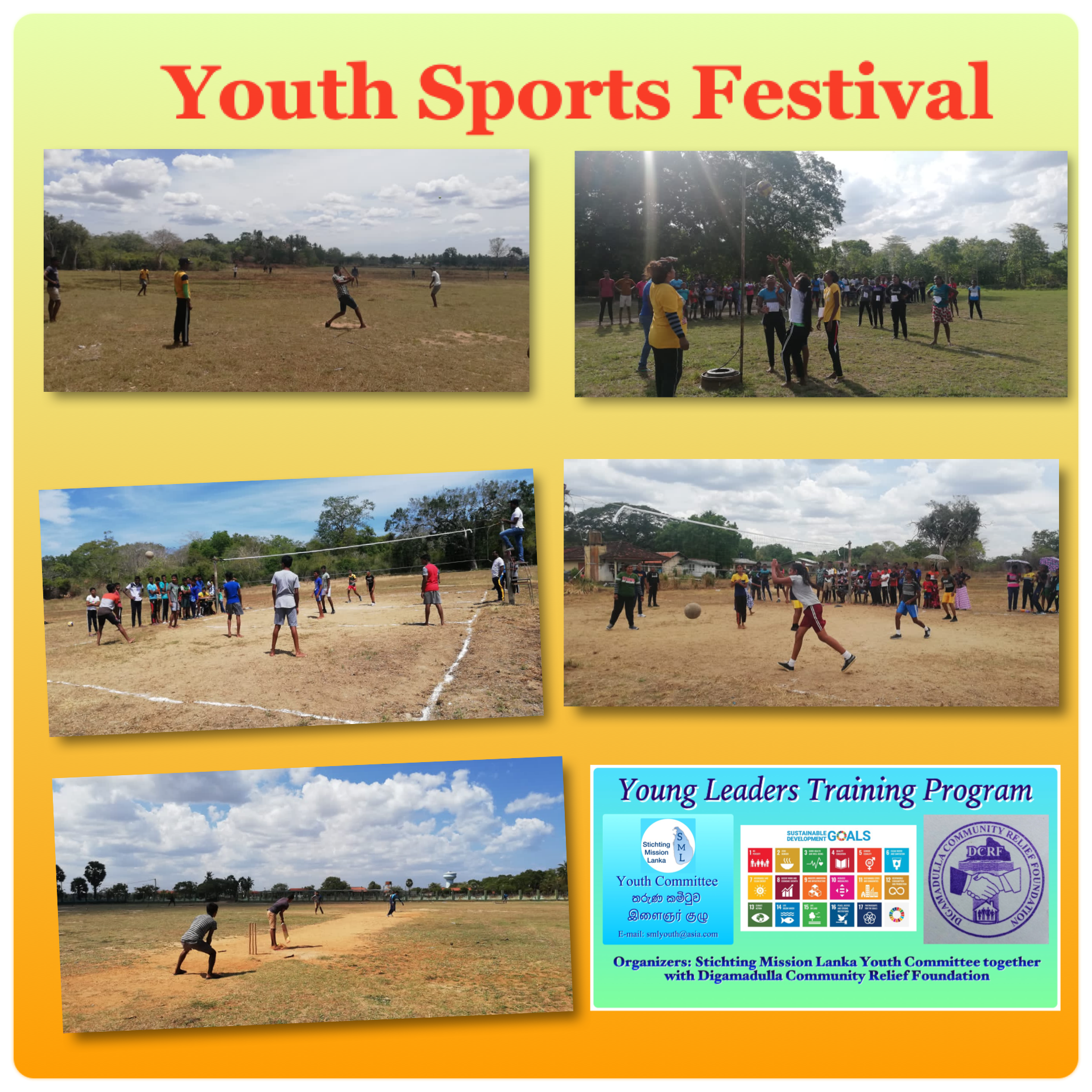
Youth Committee
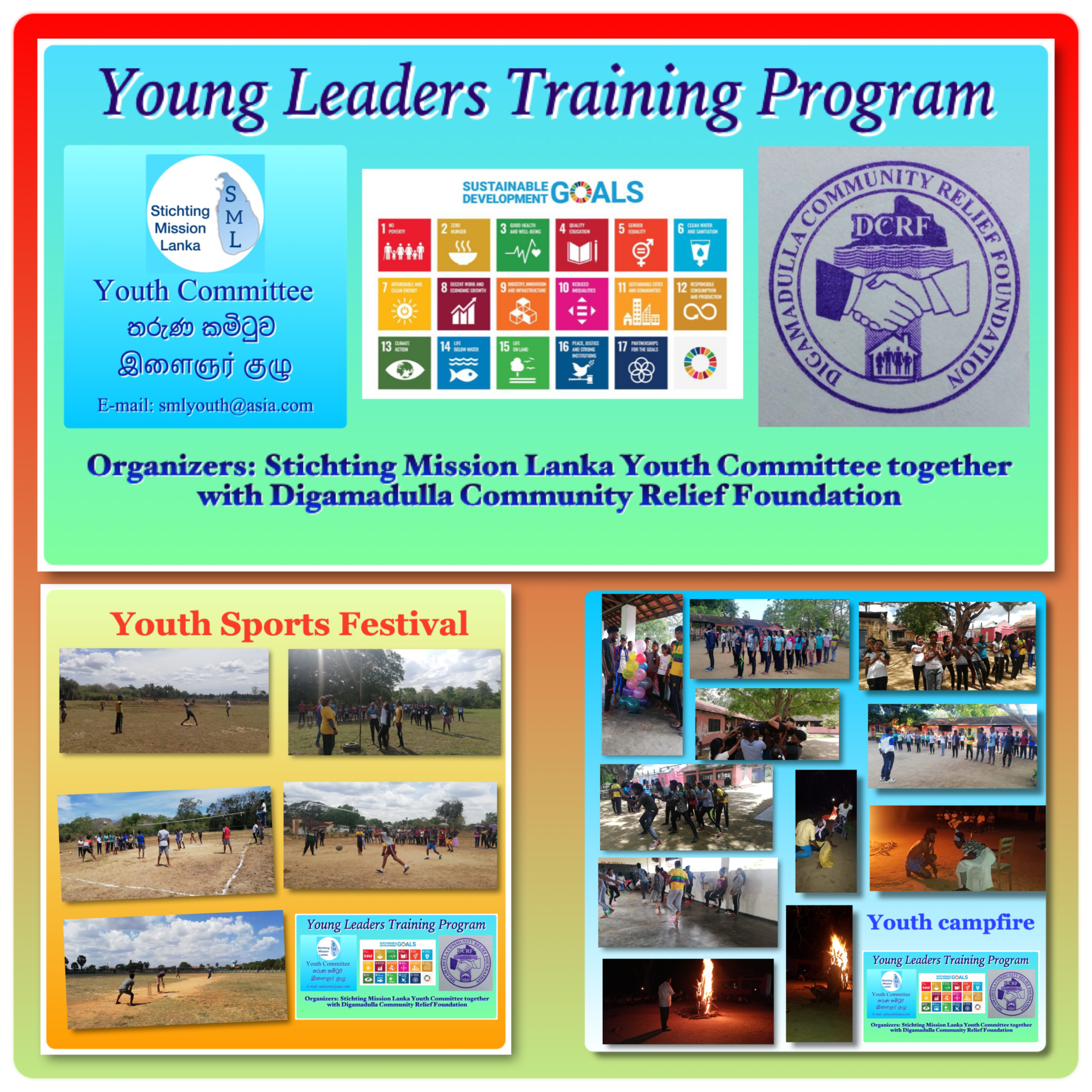
Youth committees work with teenagers. Youth Leadership describes the three key stages of adolescent leadership development. It outlines practical tactics for developing leadership skills through experiences at home, at school, in the community, and at work. It also demonstrates how adults in these settings can have a positive influence on young people. From teachers and school administrators to directors of community programs and religious institutions, anyone interested in developing youth leadership can turn to the Youth Committee for information and guidance. It's an indispensable tool for shaping the citizens and leaders of tomorrow.
The potential for leadership in adolescents.
1. Adolescents as leaders.
2. Developmental needs.
3. How adolescents develop leadership.
Part Two: The Stages of Leadership Development.
4. Stage one: awareness.
5. Stage Two: Growth and Activity.
6. Stage Three: Mastery.
Part Three: Strategies for Leadership Development.
7. How adults can promote leadership development.
8. What organizations and communities can do.
9. Training and programming issues.
10. Sustainable leadership development.
Social Services Commission
Social innovation is the process of developing and implementing effective solutions to challenging social and environmental problems.
# Community Development
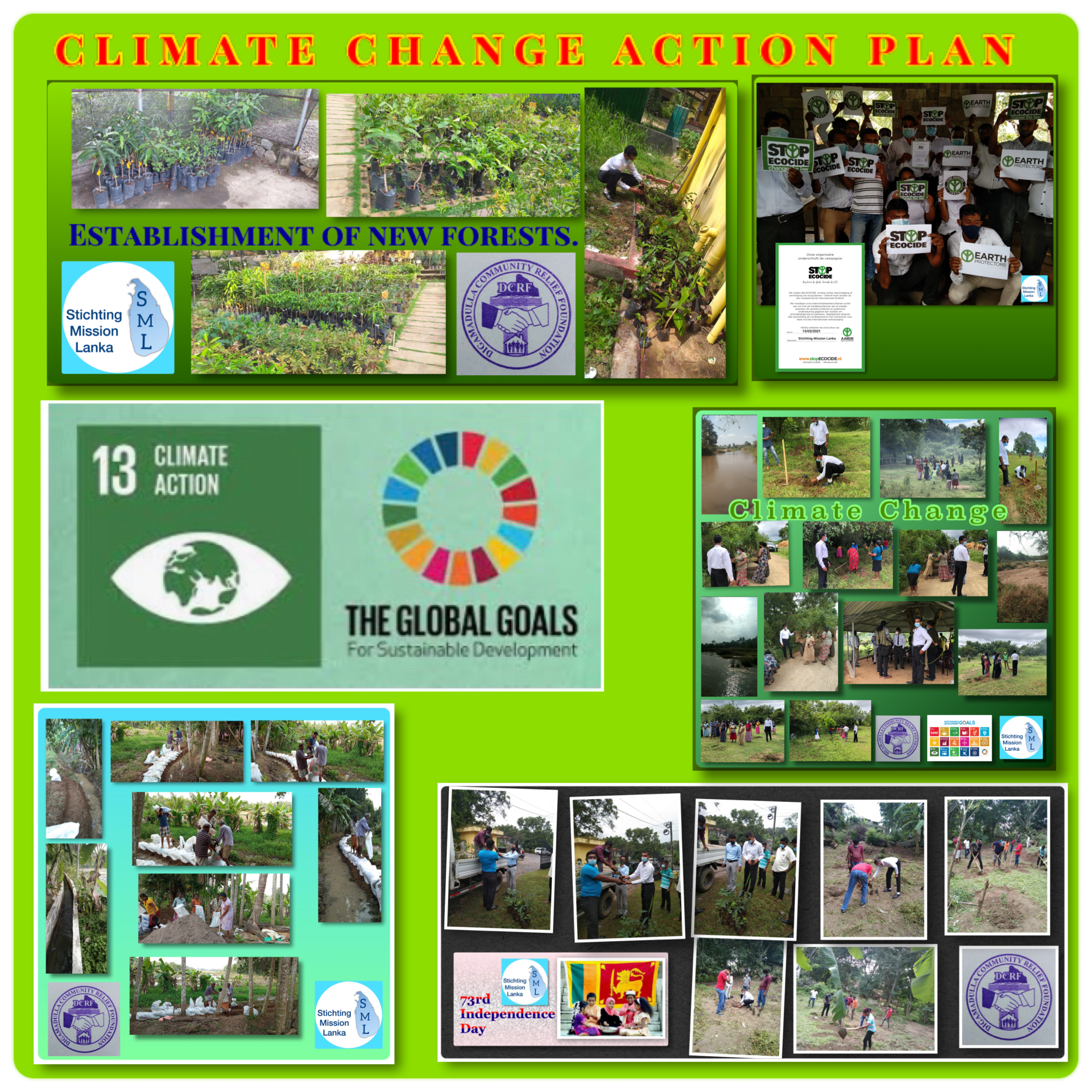
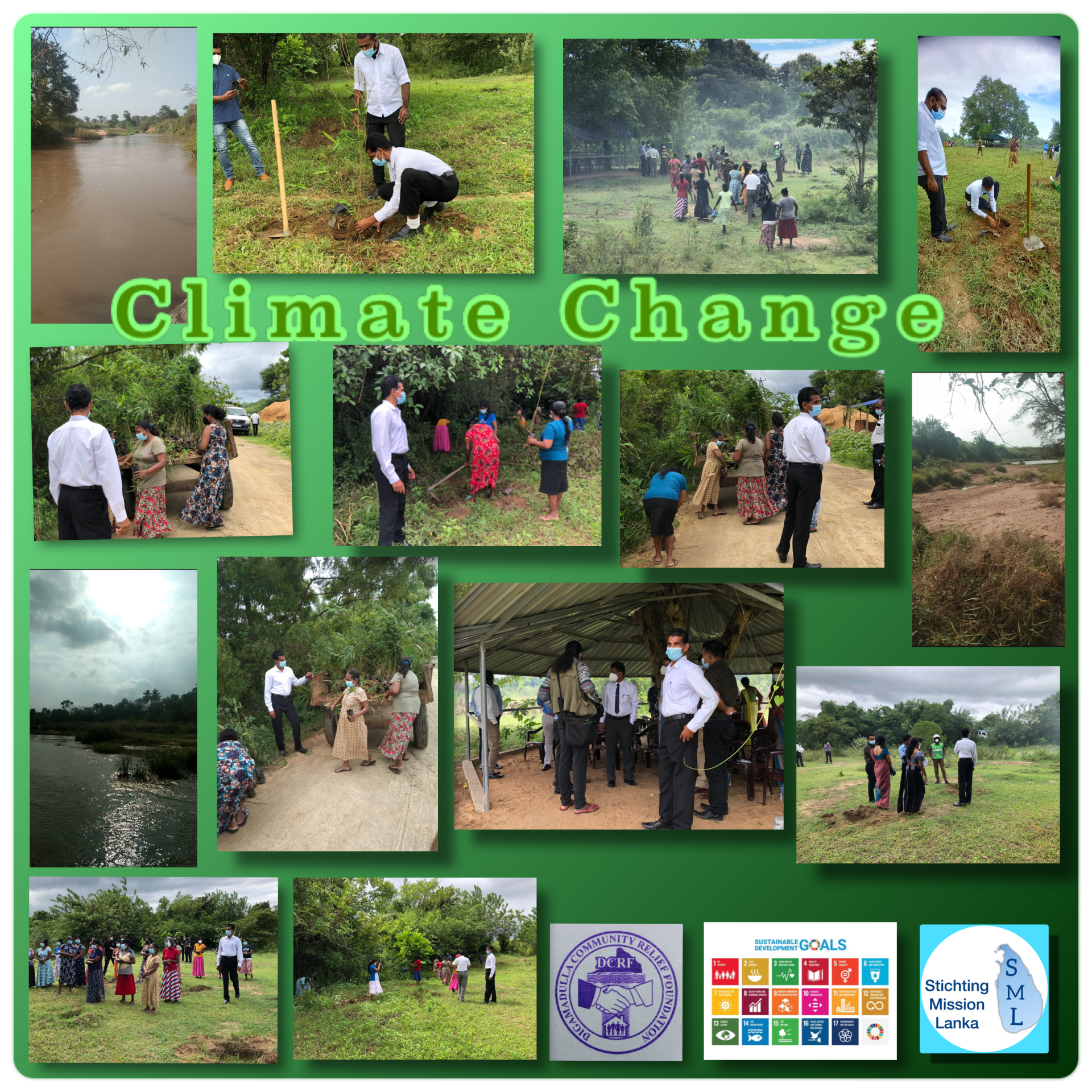
# Climate Change
# Family and social services
# Education
# Art and culture
#Healthcare
# Research and policy
# Human Rights
# Fellowship
# Technology for good
# media and apps
# Project financing